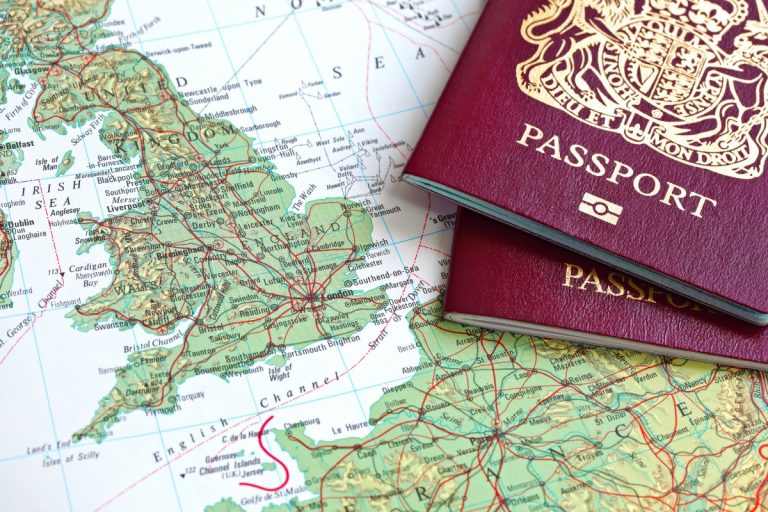
A summer road trip with family strengthens bonds and allows exploration, but careful planning prevents unnecessary stress and ensures a smooth journey. From selecting the right route to preparing your vehicle, thoughtful preparation ensures a smoother experience. Unexpected situations may arise, so staying flexible and prepared can make all the difference.
The National Highway Traffic Safety Administration advises checking A/C, filters, belts, and hoses before summer trips as heat worsens vehicle wear. Always carry an emergency kit and plan routes considering weather and road conditions.
By planning accommodations, organizing emergency contacts, and packing smartly, families can enjoy a hassle-free trip. This guide outlines key steps to help you create a well-organized, safe, and memorable journey with your loved ones.

Choose the Right Destination and Route Wisely
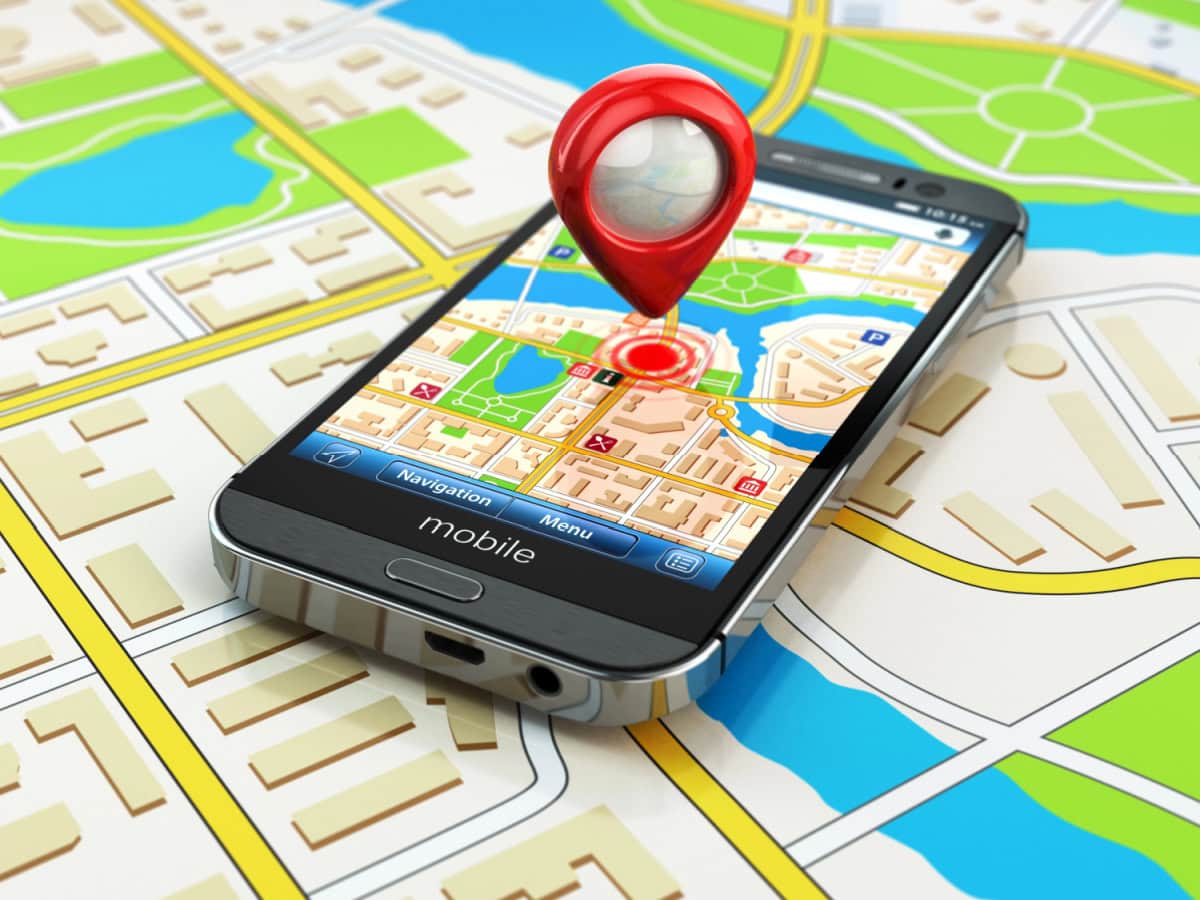
Researching road conditions, weather forecasts, and traffic patterns can help avoid delays. Using navigation apps with real-time updates ensures smoother travel and minimizes congestion. For seamless connectivity on the go, consider using an eSIM for USA, which allows you to stay connected without the hassle of physical SIM cards ideal for accessing maps, booking accommodations, or checking updates during your trip.
Always have backup routes in case of unexpected detours. Planning stops at scenic spots, parks, or attractions, such as those found in national parks and entertainment hubs, can make long drives more engaging.
US News suggests destinations catering to all interests for an enjoyable trip. Orlando’s Walt Disney World and Universal Orlando Resort offer thrilling attractions. Yellowstone, Yosemite, and the Grand Canyon provide breathtaking nature experiences. Washington, DC, offers free museums and landmarks, while San Diego features a world-class zoo and beautiful beaches.
A well-planned route with diverse activities keeps every family member entertained, reducing travel stress and making for a hassle-free, memorable road trip.
Prepare Your Vehicle for Long-Distance Travel
Before setting out on a long trip, proper vehicle preparation is essential to ensure a smooth and stress-free journey. Start by packing an emergency kit with jumper cables, a tire repair kit, flashlights, and first aid supplies.
Furthermore, keeping registration, insurance, and roadside assistance details up to date can save valuable time in case of unexpected issues. Carrying a spare key can also help prevent lockout situations. A complete vehicle inspection before departure is crucial.
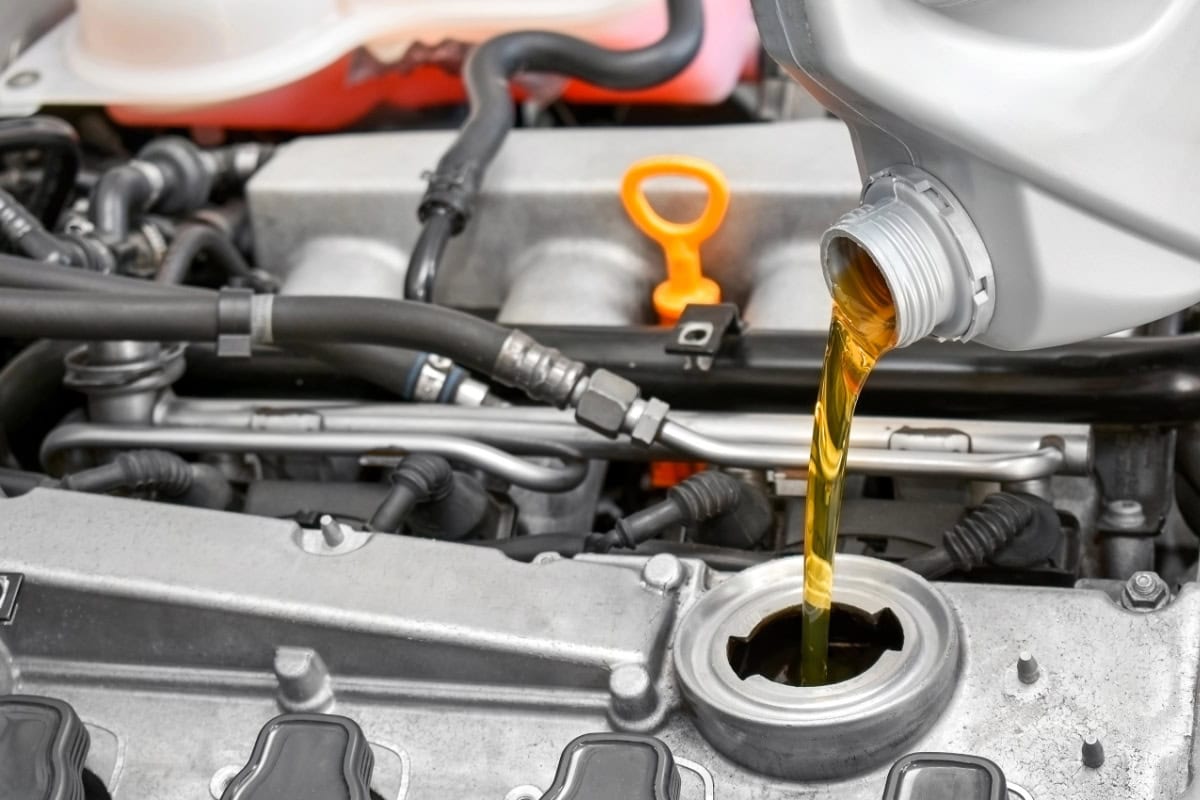
LookupAPlate recommends checking brakes, tires, batteries, and essential fluids to prevent common breakdowns. Batteries often fail due to infrequent use; coolant leaks can cause overheating, and poorly maintained tires increase blowout risks. Addressing these issues in advance significantly enhances safety on the road.
What are the must-have emergency tools to keep in my car?
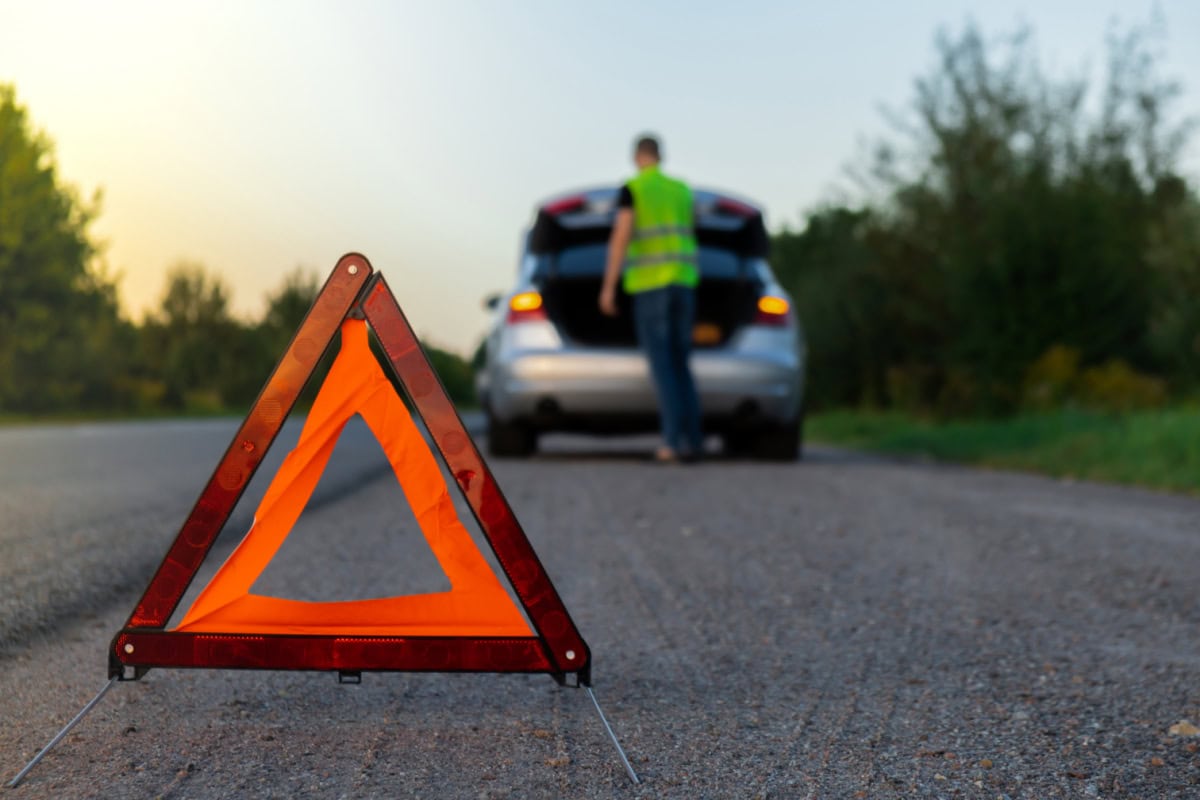
Equipping your car with essential emergency tools ensures preparedness for unexpected situations. A spare tire, jack, jumper cables, and flashlight are crucial for roadside repairs. Carry a first aid kit, portable phone charger, multi-tool, and fire extinguisher. Road flares or reflective triangles improve visibility in breakdowns. A well-stocked emergency kit enhances safety and readiness during travel.
Plan Accommodations and Meal Stops in Advance
Booking accommodations in advance ensures a comfortable stay, especially during peak travel seasons.
Pump It Up Magazine recommends prioritizing safety, spacious rooms, kid-friendly amenities, dining options, cleanliness, accessibility, budget, and service when choosing accommodations. Staying near attractions saves time, while security ensures peace of mind. Spacious rooms, pools, playgrounds, flexible dining, hygiene, accessibility, and great service create a stress-free, enjoyable trip.
Planning meal stops ahead of time helps avoid last-minute stress. Checking reviews and available amenities, like parking and on-site dining, further enhances convenience. Packing snacks like mini beef sticks or preparing meals in advance saves time and money.

Keep Important Contacts and Emergency Plans Ready
Unexpected situations can arise on any road trip, so having a solid emergency plan is essential. Save roadside assistance and medical emergency numbers to ensure quick help in case of vehicle breakdowns or health issues. Moreover, researching and saving a local car accident lawyer’s contact can be invaluable if an accident occurs during travel.
For instance, ABC11 reported that a tragic accident in Fayetteville on December 12, 2024, left a 1-year-old girl dead and five others seriously injured. The crash involved a head-on collision between a Ford Taurus and a Saturn Astra. In such devastating situations, having the contact details of a local Fayetteville car accident lawyer is crucial to navigating legal complexities and seeking rightful compensation.
Keith Law Group states that a local car accident lawyer understands local traffic laws and can guide victims through the legal process. They ensure victims don’t face unfair settlements from insurance companies. They can also gather crucial evidence, negotiate on your behalf, and help secure compensation for medical bills, lost wages, and other damages.
Having essential contacts ensures safety and allows you to enjoy your trip while staying prepared for unexpected situations.
What should I do immediately if my family is involved in a road accident far from home?
If involved in an accident while traveling, first ensure everyone’s safety and call emergency services immediately. Move vehicles to a safe spot if possible and document the scene thoroughly. Exchange contact and insurance details with others involved. Contact family members and consider local assistance for support and guidance.
Pack for Comfort and Entertainment
Bringing travel pillows, blankets, and comfortable clothing enhances relaxation during the trip. Stocking up on snacks, reusable water bottles, and easy-to-carry containers reduces unnecessary stops. Entertainment options like audiobooks, curated playlists, and travel-friendly games keep everyone engaged.
In addition to travel pillows and blankets, it’s important to pack clothing that keeps you comfortable during long hours on the road. Soft cotton T-shirts, cozy socks, and leggings are all great options for comfort. A simple, 100% cotton bralette can also provide breathable support, making it a practical choice for travel days. Choosing natural fabrics like cotton helps keep your skin comfortable and prevents irritation, ensuring everyone feels relaxed throughout the journey.
Organizing belongings in accessible bags minimizes clutter and simplifies retrieving essential items. Preparing for different weather conditions by packing sunscreen, rain gear, and extra layers ensures comfort.

Prepare for Nighttime Stops and Emergencies
Safety and visibility are essential when driving after dark, especially if you need to pull over at an unfamiliar rest stop or inspect a tire on the side of a highway. Packing reliable emergency equipment ensures you can handle unexpected situations smoothly without unnecessary panic.
Stashing the brightest flashlight you can buy in your glove compartment or door pocket provides powerful, high-lumen illumination whenever you need to search a packed trunk at night or signal for assistance. High-powered LED torches easily cut through the darkness, making roadside repairs safer and helping kids feel much more secure during late-night pit stops. Choosing a durable, rechargeable model with a long battery life keeps your vehicle prepared for any situation.
In short, having strong lighting on hand gives your family total peace of mind, allowing everyone to stay relaxed and focused on enjoying the journey ahead.
Stay Flexible and Embrace the Adventure
While planning is essential, being open to unexpected opportunities can make the trip more exciting.
PR Newswire reports that 54% of US travelers worry about weather delays in 2024, making flexibility crucial for road trips. Many families adjust plans due to unforeseen events, emphasizing the need for backup routes. Staying updated on weather forecasts ensures smoother travel, preventing unnecessary disruptions and making trips more enjoyable.
Exploring detours, stopping at unique attractions, or extending breaks at scenic locations adds variety to the experience. Allowing buffer time in the schedule prevents frustration due to delays, turning obstacles into opportunities for discovery.
How do I handle trip delays or bad weather while on the road?
Handling trip delays or unexpected weather requires staying adaptable and prepared. Regularly check weather forecasts and traffic updates to anticipate potential issues. If faced with severe weather, seek shelter and wait for safe travel conditions. Keep emergency supplies like extra water, snacks, blankets, and a power bank on hand. Flexibility and patience ensure a stress-free journey.

Creating a Memorable and Smooth Trip
A well-prepared road trip leads to a stress-free and enjoyable experience for the whole family. Selecting the right destination, ensuring vehicle readiness, and planning accommodations help avoid common travel issues. Staying organized with emergency contacts, packing smartly, and embracing flexibility all contribute to a seamless adventure.

- 8 Hair Loss Treatments for Men Worth Knowing in 2027 - November 8, 2026
- Do Mosquitoes Go Away in Winter? 7 Things Families Can Do Before Spring - November 6, 2026
- The Modern Guide to Stress-Free Wedding Hosting - November 6, 2026