If you’ve just booked your first microneedling session — or you’re still on the fence — one question is probably sitting at the top of your mind: when will I actually see something? It’s a fair thing to wonder. You’re investing real time and money, and you want to know what to expect and when.
Here’s the short answer: Microneedling is a gradual process, not an overnight fix. Results build over weeks and months as your skin does the actual work of repairing and rebuilding. Chamblee has seen a steady surge of interest in this treatment lately, and for good reason — when you understand the timeline and the factors behind it, the patience it requires starts to make a lot of sense.
1. What’s Happening Under Your Skin Drives the Whole Timeline
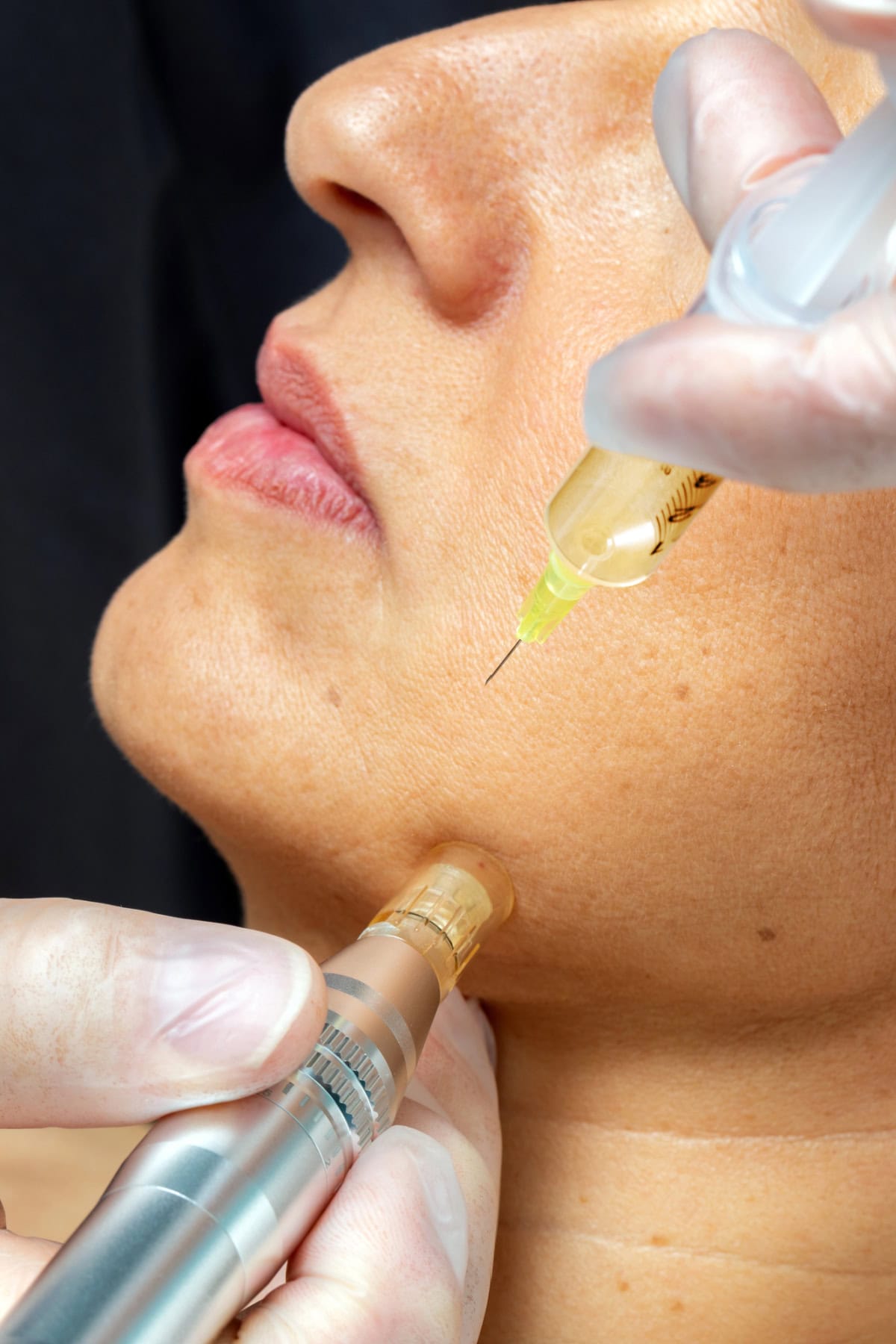
Before getting into timing, it helps to understand the why. Microneedling works by creating microscopic channels in the skin that trigger your body’s natural wound-healing response. That response includes a surge in collagen and elastin production — the proteins responsible for firm, smooth, youthful skin.
According to the American Academy of Dermatology, this healing process is what helps reduce the appearance of scars, dark spots, and fine lines, and improves overall skin elasticity. The catch? Collagen remodelling is a biological process. It doesn’t happen overnight, and the results you see in week two are genuinely different from what you’ll see at month three.
2. The First Two Weeks: Early Glow, Not Final Results
Right after microneedling, the skin usually looks a little flushed and feels warm, similar to mild sun exposure. That part is temporary and tends to settle within 24 to 48 hours. What many people notice next is a gradual brightness to the skin, smoother texture, and a fresher overall appearance within the first couple of weeks. For patients researching Microneedling In Chamblee, that early glow is often reassuring because it shows the skin is actively responding even before the deeper collagen-related improvements fully develop.
Those initial changes come more from increased skin turnover and hydration than from major collagen remodeling. Surgeons like Dr. Robb often help patients understand the timeline ahead of treatment so the process feels more predictable and expectations stay grounded in how microneedling actually works over time. The deeper improvements tied to collagen production usually continue building gradually in the weeks that follow.

3. The Four-to-Six-Week Mark Is Where Real Change Happens
This is when microneedling earns its reputation. Around weeks four through six, collagen and elastin production peaks, and the more noticeable structural improvements start to appear. Skin feels firmer. Scars look shallower. Fine lines become less pronounced. The overall resilience and bounce of the skin improves in ways that are harder to ignore.
This phase is also when the cumulative effect of multiple sessions becomes most visible. Most providers recommend a series of three to six treatments, spaced four to six weeks apart, to achieve optimal results — especially for concerns like acne scarring or significant sun damage.
4. How Many Sessions You Have Matters More Than Most People Realise
A single session can produce visible improvements in texture and tone. But microneedling is fundamentally a cumulative treatment. Clinical research has shown that after four microneedling sessions, patients can see up to a 400% increase in collagen and elastin six months after their last appointment. That’s not a number a single session can replicate.
The number of sessions you need depends on what you’re treating:
- General texture and glow: 2–3 sessions
- Mild pigmentation or fine lines: 3–4 sessions
- Acne scars or deeper concerns: 4–6 sessions
Spacing matters too. Booking sessions too close together doesn’t give the skin enough time to complete each healing cycle, which can actually blunt the results.
5. Your Skin Type and Age Affect How Quickly Results Show
Not everyone’s skin responds on the same timeline, and that’s completely normal. A few personal factors play a significant role:
Age is probably the biggest variable. Younger skin naturally produces collagen more rapidly, so initial results may appear faster. If you’re in your 40s, 50s, or beyond, the process takes a little longer — but the results are no less real. You may simply need an additional session or two.
Skin condition going in also matters. Skin that’s well-hydrated, consistently protected from sun damage, and supported by a good skincare routine tends to respond more efficiently. Showing up to your appointment with compromised, sun-damaged, or dehydrated skin slows the process down.
6. What You Do After Treatment Shapes How Much You Get Out of It
Post-care isn’t optional — it’s genuinely part of the treatment. The micro-channels created during microneedling stay open for a short window after your session, making your skin both more vulnerable and more receptive.
A few things that make a real difference:
- Skip active ingredients (retinoids, acids, vitamin C) for 48–72 hours post-treatment to avoid irritation
- Apply a gentle hyaluronic acid serum while channels are still open — absorption is significantly higher during this window
- Sun protection is non-negotiable — new skin cells are more sensitive to UV damage, and skipping SPF can undo weeks of results
- Stay hydrated and eat protein-rich foods — collagen synthesis depends on nutrients your body needs to be producing at high levels
Most dermatologists recommend maintenance sessions every six to twelve months once you’ve completed your initial series, to sustain what you’ve built.
The Conclusion
Microneedling tends to reward consistency and patience more than quick expectations. The improvements visible after two or three months are usually far more noticeable than what appears in the first couple of weeks, particularly when treatments are done as part of a proper series with good aftercare in between sessions. Skin texture, tone, and overall firmness often continue improving gradually as collagen production develops over time. People who see the best long-term results are typically the ones who approach the process with realistic expectations, follow the recommended recovery guidance, and allow enough time for the skin’s natural repair cycle to fully do its work.

- Simple Ways to Make Home Maintenance Less Stressful - September 15, 2026
- Bathroom Flooring Ideas That Balance Style and Practicality - September 15, 2026
- Red Light Spa Near Me vs. At-Home Red Light Panel: Which Is Better? - September 15, 2026