After a long day, your living room should help you shift out of work mode and into rest. Many people overlook how much their environment affects that transition. A cluttered layout, harsh lighting, or uncomfortable seating can keep your mind alert when you want to unwind.
You don’t need a full redesign to create a calming space. You can make practical changes that support relaxation and fit naturally into your daily routine. When you focus on comfort, simplicity, and function, your living room becomes a place where you can truly recharge.
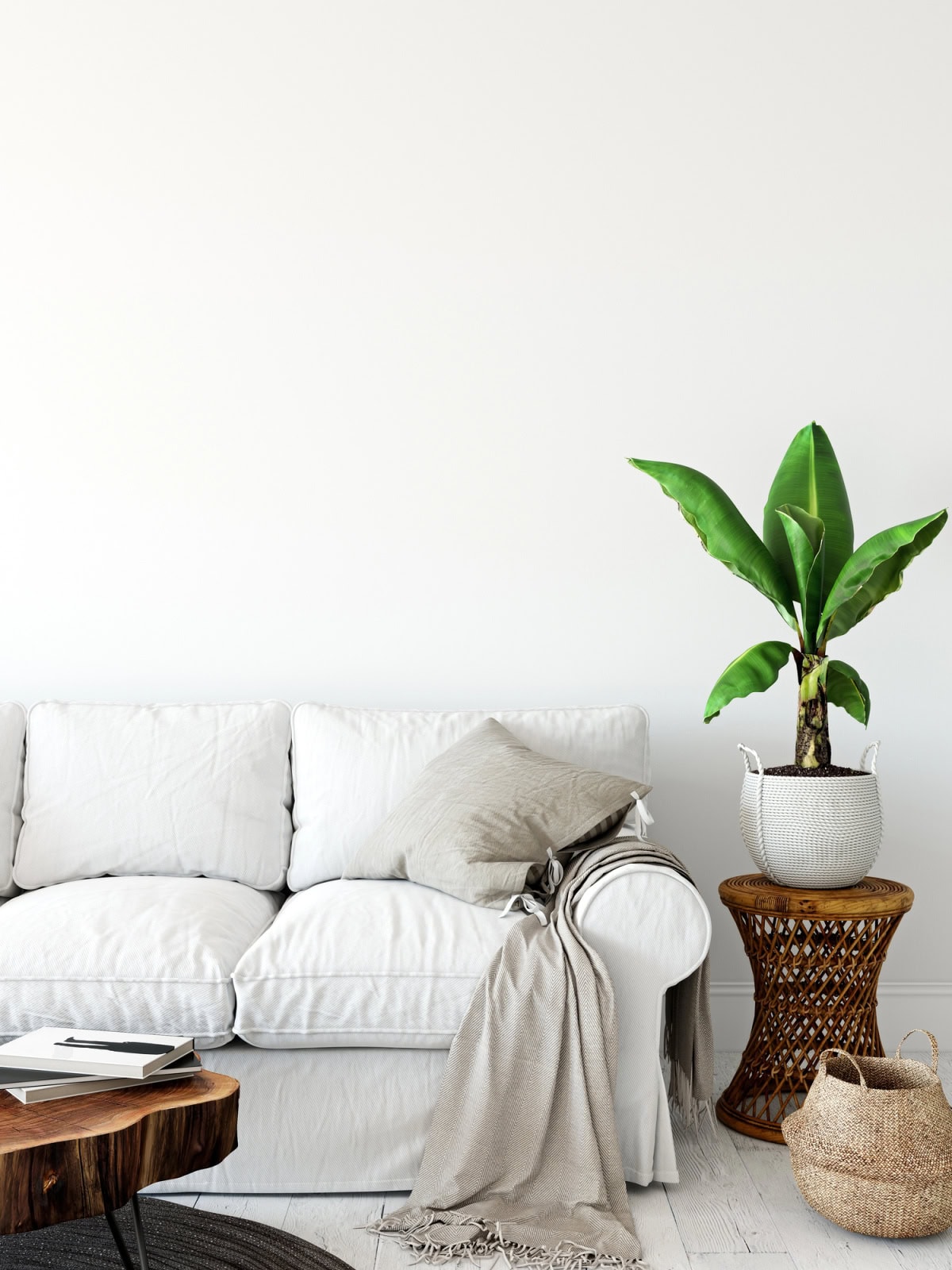
1. Choose Furniture That Supports Flexible Comfort
Your furniture shapes how you use your living room. If your seating feels restrictive or uncomfortable, you won’t fully relax. Instead, choose pieces that support different ways of unwinding.
Modular seating works well because it adapts to your routine. You can stretch out when you want to rest or rearrange the layout when you have guests. If you want to upgrade your setup, browse handmade options from soulfa.com for a seat that adjusts to your needs without sacrificing comfort.
Soulfa designs prioritize flexibility, making it easier to create a space that accommodates both quiet evenings and social moments. You don’t have to commit to one layout or function. Instead, your furniture works with you.
You can also add movable pieces like ottomans or lightweight chairs. These allow you to quickly shift your space. When your living room adapts easily, you remove friction from your relaxation routine.
2. Clear Out Clutter to Reduce Mental Noise
Clutter competes for your attention. Even small items scattered around the room can make it harder to relax. You don’t need a minimalist home, but you should control what stays visible.
Start with high-traffic surfaces, such as coffee tables and side tables. Remove items you don’t use daily. Store remote controls, magazines, and miscellaneous objects in baskets or drawers. This keeps your space functional without looking crowded.
Next, review larger areas, such as shelves and media units. Keep only items that serve a purpose or bring you a sense of calm. A few intentional pieces create more impact than a crowded display.
When your space looks organized, your mind follows. You spend less energy processing your surroundings and more time actually resting.
3. Adjust Lighting to Support Your Evening Routine
Lighting directly affects how your body responds to a space. Bright overhead lights can keep you alert, which runs counter to your goal of winding down.
Instead, use layered lighting to create a softer environment. Place floor or table lamps around the room to evenly distribute light. Choose warm-toned bulbs to create a more relaxed atmosphere.
You can also install dimmers to control brightness throughout the evening. Lower the lights gradually as your night progresses. This helps signal to your body that it’s time to slow down.
If you want an additional calming element, use candles or low-intensity LED lights. These create a gentle glow that feels less intrusive than standard lighting. When you control your lighting, you shape how your space feels at the end of the day.
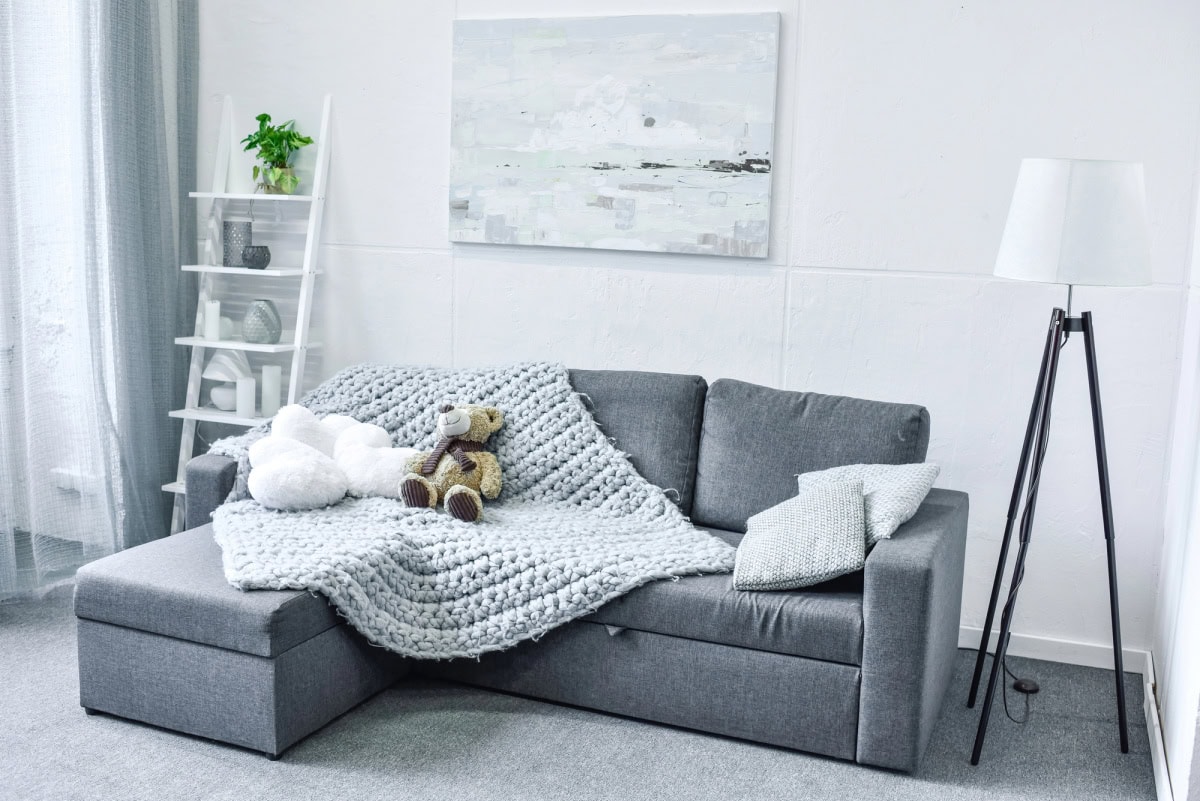
4. Add Soft Textures That Invite Relaxation
Texture influences how comfortable your living room feels. Hard surfaces and minimal fabrics can make a space feel cold and uninviting. You can fix this by layering soft materials throughout the room.
Start with your seating. Add cushions that provide support without feeling stiff. Choose fabrics that feel comfortable against your skin, especially if you spend long periods sitting.
Next, introduce throw blankets. Keep them within reach so you can use them easily. This small addition can make a big difference when you want to relax.
Rugs also play an important role. A soft area rug adds warmth underfoot and helps define the space. It also reduces noise, creating a calmer environment.
Focus on quality rather than quantity. A few well-chosen pieces will create a more inviting atmosphere than an overload of decorative items.
5. Design a Space That Supports Your Wind-Down Habits
Your living room should support how you relax, not just how it looks. Think about what you do at the end of the day and create a space that encourages those habits.
If you enjoy reading, set up a dedicated corner with a comfortable chair and good lighting. If you prefer quiet reflection, create a simple seating area without distractions.
Keep this space free from unnecessary interruptions. Move work-related items out of sight. Limit digital distractions if possible. This helps your mind associate the space with rest instead of activity.
You don’t need a large room to do this. Even a small adjustment can create a clear boundary between daily stress and relaxation time.
6. Personalize Your Living Room Without Overloading It
A relaxing space should feel personal, but too many decorative items can create visual clutter. You need to strike a balance between meaningful details and simplicity.
Choose a few items that reflect your personality. This might include photos, artwork, or objects that hold value for you. Place them where you can see them easily without overcrowding the space.
Natural elements can also improve the atmosphere. Plants add life to a room and create a subtle sense of calm. If you prefer low-maintenance options, choose plants that require minimal care.
Avoid filling every empty space. Leave room for your eyes to rest. This makes the entire room feel more open and less overwhelming. When you keep your space intentional, you create an environment that feels both personal and calming.
Conclusion
You can turn your living room into a place of real relaxation by focusing on how it functions. Comfortable, flexible furniture allows you to unwind without effort. A clutter-free environment reduces distractions and mental fatigue. Soft lighting and layered textures create a calm atmosphere that supports your evening routine.
Small, thoughtful changes can reshape how your space feels at the end of the day. When your living room aligns with your habits rather than against them, it becomes easier to disconnect from stress and settle into a more restful state.

- 8 Hair Loss Treatments for Men Worth Knowing in 2027 - November 8, 2026
- Do Mosquitoes Go Away in Winter? 7 Things Families Can Do Before Spring - November 6, 2026
- The Modern Guide to Stress-Free Wedding Hosting - November 6, 2026