Two in five American adults live with chronic pain, and for a huge share of them, the worst part isn’t the ache. It’s the calendar full of things they’ve stopped saying yes to. A friend’s wedding three hours away. A theme park day with the kids. The beach trip that gets booked and then quietly canceled the week before.
I’ve watched that math happen up close. So here’s the promise: five levers that actually move the needle, ordered roughly by how much return you get for the effort. None of them are cures. All of them are things you can start this week without a prescription, a specialist referral, or a single airline ticket. And yes, one of the five is worth mentioning to your clinician if you live in a state where it’s legal. Research backs the rest.
Way 1: Gentle Movement You Actually Tolerate
The phrase “just move more” makes most people with ongoing pain want to throw something. Fair. The version that helps isn’t a workout. It’s a floor. You’re protecting range of motion and muscle tone so the pain doesn’t take the rest of your body hostage over the next decade.
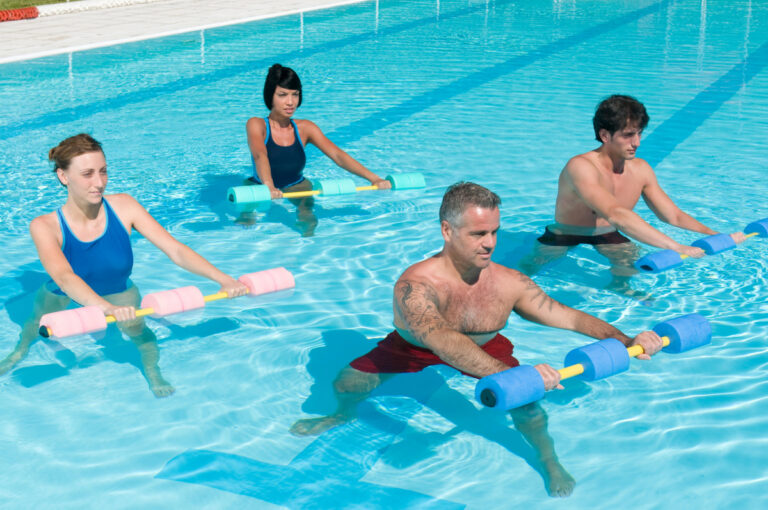
Start absurdly small. Five minutes of walking, a slow swim, some gentle yoga, or a ride on a stationary bike set to almost no resistance. The target is consistency, not sweat. Two days on, one day easy, repeat. If a movement spikes your pain for more than a day afterward, you overshot. Cut the duration in half and rebuild from there.
Here’s what that consistency buys you in the long run. Two in five U.S. adults had chronic pain in 2019, and about one in fourteen had pain that limited their daily activities on most days, per the CDC analysis published at NCBI in 2021. That second number is the one that scares me, because it’s the gap between “hurts” and “hurts enough that life shrinks.” Guarding your mobility now is how you stay on the right side of it.
Way 2: Sleep Is Your Strongest Free Painkiller
Pain wrecks sleep, and bad sleep amplifies pain. That loop runs all night, every night, and it’s the most underrated lever on this whole list. If you fix nothing else, fix this.
Three changes make the biggest dent. Same wake time daily, including weekends, because your body clock cares about consistency more than duration. No screens in the last hour. Keep the room genuinely cool and dark.
If you share a bed with someone who snores or kicks, a separate bedroom on rough nights is not a relationship failure. It’s equipment. Treat it like a knee brace.
The evidence here is quieter but consistent: fatigue and disrupted sleep predict next-day pain flare-ups, which means a boring bedtime routine is one of the few things you control outright. Take the win.

Way 3: Build a Smell Garden
This is the one nobody tells you about, and it’s the reason I built what I call the Five-Gear Model, a way of thinking about pain days so you’re not always stuck deciding between pushing through and giving up.
Picture the gears on a bike. Gear one is a full rest day. Gear five is a big travel day, like a theme park or a long drive. Between them sit gentle errands, a quiet dinner out, and a short walk. Every morning, pick your gear for the day and don’t negotiate with yourself at 2 p.m.
Most people with pain bounce between gears one and five, then wonder why they crash. The trick is living in the middle gears most of the week so gear five is possible on the days that matter. I think this model is the single most useful thing on this page, and it has nothing to do with a bottle or a pharmacy. It’s simply permission to plan your pacing instead of reacting to it.
Way 4: The People Around You
Chronic pain isolates. You cancel plans, stop explaining, and eventually stop being invited. Two fixes help.
First, tell one person the truth, plainly, once. Not a chronic-pain monologue, just “I want to come, and I may need to leave early or sit down a lot.” Most friends adapt fine when they know what to expect.
Second, find people who already get it. A support group, an online community, a neighbor with a similar diagnosis. A Harvard Medical School overview of chronic pain reports that ongoing pain is linked with higher rates of depression and anxiety, and a Harvard Health pain resource published in 2024 notes that addressing the emotional side is part of standard care. That’s not drama. That’s a clinical observation about how pain compounds. Ask for help before you need it. Two friends who know the deal beat twenty who don’t.
Way 5: Ask About Medical Cannabis
Now the one you should raise with an actual clinician rather than a forum. If you live somewhere with a legal medical program, medical cannabis is worth adding to the conversation alongside your current plan, not instead of it. It’s one option among several, and it works better for some people and conditions than others.
That’s where a real pharmacy-style setup matters. If you’re traveling through Florida’s Gulf Coast, the staff at a licensed dispensary in Sarasota, FL can walk you through tinctures, topicals, and other products, explain what’s lab-tested, and tell you what may or may not suit your treatment plan. A knowledgeable advisor beats guessing every time.
Two ground rules. Bring valid ID and an active medical marijuana card if your state requires one. And never drive or operate machinery after consuming.
Once you have a green light from a clinician, the rest is consumer shopping. Here’s how I’d weigh the common formats:
| Format | Best For | Main Drawback |
|---|---|---|
| Tinctures | Dosing you can measure and adjust | Slower onset than smoking or vaping |
| Topicals | Spot-specific aches where you can reach the skin | No noticeable effect for some users |
| Capsules and edibles | Even, long-lasting relief through a travel day | Easy to overdo it if you’re impatient |
| Vaporizers | Fast onset when a flare hits mid-afternoon | Short duration, needs re-dosing |
My pick for a first-timer: tinctures if you want control, capsules if you want simplicity. Skip anything you can’t measure.
Use the Pacing Ladder on Your Next Trip
The Five-Gear Model tells you what day you’re having. The Pacing Ladder tells you what to do inside that day. It’s four rungs, and you climb back up slowly after any flare.
- Notice. Catch the first hint of a spike, not hour three of it.
- Drop one gear. Sit, hydrate, breathe for five minutes before deciding anything.
- Reassess at 20 minutes. Better? Continue at reduced output. Not better? Gear one for the rest of the day.
- Rebuild tomorrow at 60 percent. Don’t hop straight back to full speed. That’s the crash pattern.
Travel makes this harder, which is exactly why you plan it. Book seats on the aisle. Build one slow afternoon into every trip instead of pretending you’ll rest when you get home. You won’t.
None of these five ways erase chronic pain. What they do is keep you in the middle gears most weeks so the good days, the wedding, the theme park, the long drive with the windows down, still fit on the calendar. Pick one lever today, not five. Which one are you starting with?

- Why Some Homes Feel Magical at Christmas (And Others Just Look Decorated) - October 21, 2026
- The Modern Mom’s Guide to Building a Sustainable Wellness Routine - October 21, 2026
- The Fall Fix-It List: 9 Small Home Repairs to Handle Before Winter - October 21, 2026