A child’s smile changes a great deal in the early years. Baby teeth fall out, adult teeth come in, and the jaw keeps growing well into the teenage years. Many parents do not realize how much these changes shape the years that follow.
Problems that start small in childhood can grow into issues that affect eating, speaking, sleeping, and even how a person feels about themselves. For families in Northwestern NJ, paying attention to these early signs can make a real difference in a child’s future health and happiness.

Why Early Attention to Tooth Alignment Matters
Many children grow up with teeth that come in crowded, crooked, or spaced too far apart. When teeth do not line up properly, the problem rarely fixes itself and often becomes harder to correct as the jaw settles into its adult shape. Gentle, steady correction during the growing years is often the simplest way to guide teeth into a healthier position.
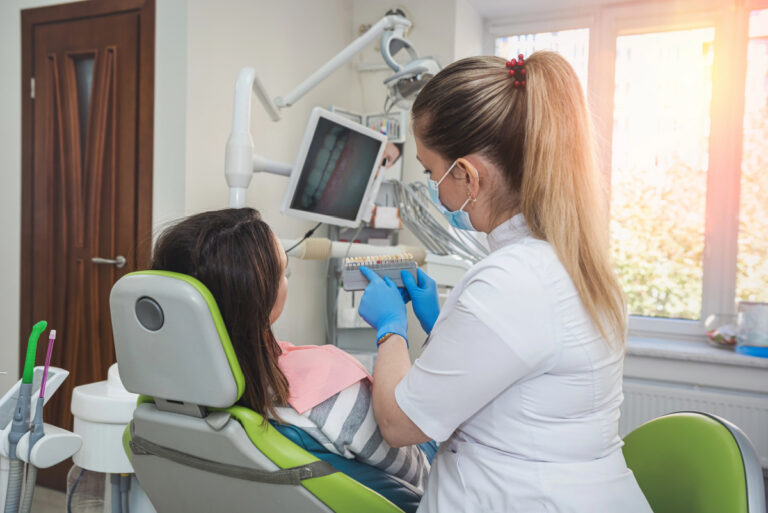
Parents who want to give their children a strong start can schedule a visit for affordable braces in Northwestern NJ and get a clear picture of what their child’s smile may need over time. Taking this step early gives a child more time to grow into a smile that feels natural and comfortable.
How Childhood Habits Shape the Mouth
Some of the most common dental problems begin with everyday habits. Thumb sucking, long-term pacifier use, and breathing through the mouth can all change the way the jaw and teeth develop. These habits are normal in very young children, but when they continue past the early years, they can push teeth forward or narrow the upper jaw.
Diet plays a large role as well. Sugary snacks, juice, and soda feed the bacteria that cause tooth decay. When decay reaches baby teeth, some parents assume it does not matter because those teeth will fall out anyway. In truth, baby teeth hold space for the adult teeth underneath. Losing them too early can cause nearby teeth to drift, leaving too little room for the teeth that come next.
The Link Between Oral Health and Overall Health
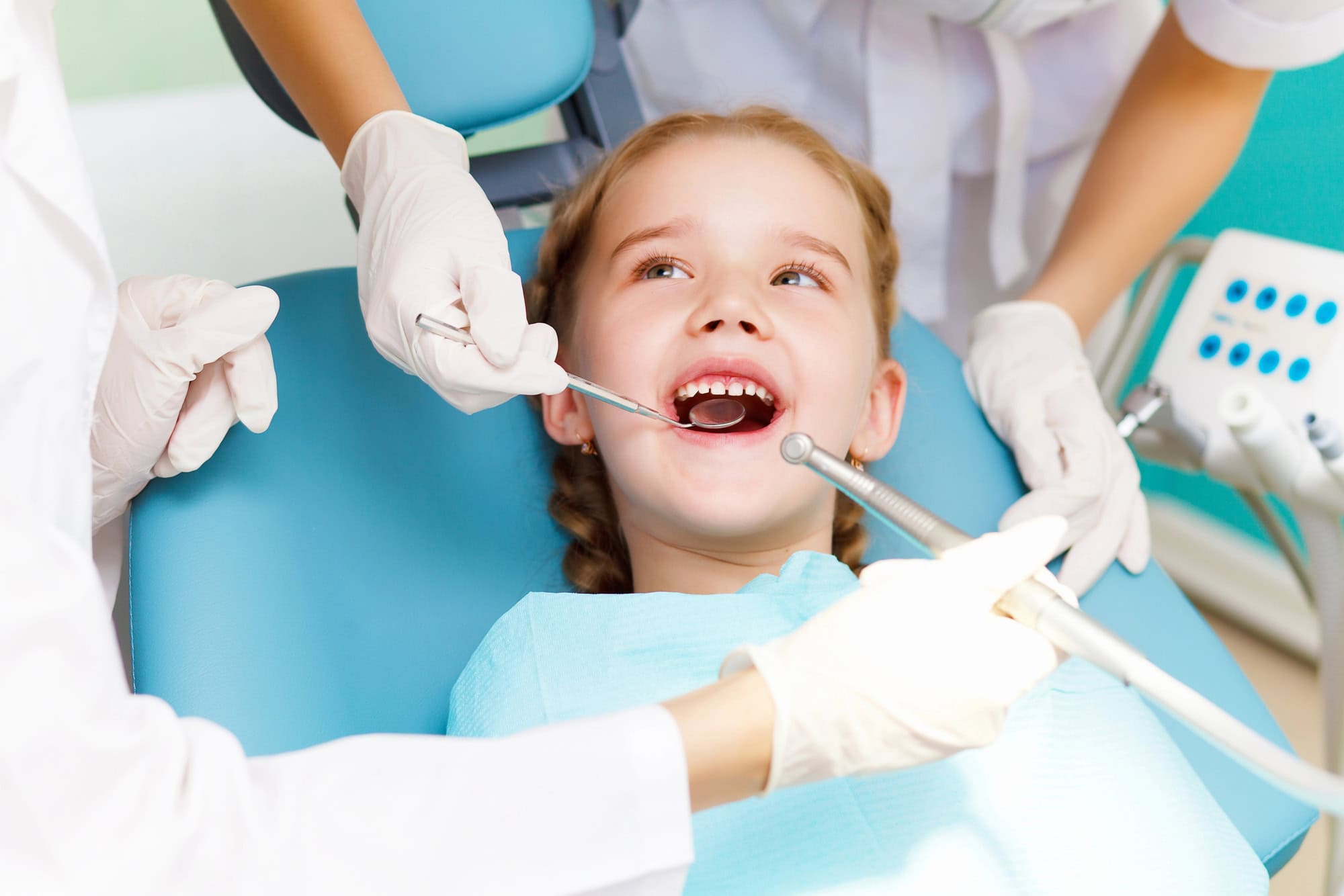
The mouth is connected to the rest of the body in many ways. When dental problems go untreated in childhood, the effects often reach beyond the teeth and gums.
Teeth that do not meet properly can make chewing harder. A child may avoid certain foods, such as crunchy fruits and vegetables, because they are difficult or uncomfortable to eat.
A poor bite can also put extra strain on the jaw joints. Some people who had uneven bites as children later deal with jaw pain, clicking, headaches, or worn tooth surfaces as adults. These problems build slowly, so they are often missed until they start to hurt.
Crowded teeth are harder to clean as well. Food and plaque collect in tight spaces that a toothbrush cannot easily reach. This raises the chance of cavities and gum disease, and gum problems in adulthood have been linked to wider health concerns. A healthy mouth in childhood lays the groundwork for a healthier body later on.
Speech, Breathing, and Sleep
Dental issues can also affect how a child speaks. The position of the teeth and jaw helps form certain sounds. Gaps, an open bite, or teeth that stick out can lead to a lisp or other speech difficulties. While many children grow out of small speech problems, some need help that starts with correcting how the mouth is shaped.
Breathing and sleep are closely tied to the mouth and jaw too. A narrow upper jaw can leave less room for air to move through the nose and throat. Some children with this problem breathe through their mouths, snore, or sleep poorly. Poor sleep can then affect mood, focus at school, and energy during the day.
The Emotional Side of a Child’s Smile
Health is only part of the story. A smile plays a big role in how children see themselves and how they connect with others. Children and teenagers are often very aware of how they look, and they can be sensitive to comments from classmates.
A child who feels unhappy with their teeth may start hiding their smile. They might cover their mouth when they laugh, avoid having their picture taken, or speak less in class. These small changes can add up and affect friendships, school activities, and a child’s general sense of comfort around others.
When these feelings start early, they can carry into adulthood. Adults who felt self-conscious about their smiles as children sometimes say the feeling never fully went away. On the other hand, children who feel good about their smiles often find it easier to speak up, make friends, and take part in new experiences.
Confidence in Adulthood
The confidence built in childhood often shows up later in life in ways that are easy to overlook. A person who is comfortable smiling may feel more at ease in job interviews, presentations, and first meetings.
Adults who never had their dental problems addressed may still choose to seek care later, and many do. Even so, correction is often simpler when the jaw is still growing. Addressing concerns during childhood can spare a person years of feeling uneasy about their smile and help them enter adulthood with one less worry.
Signs Parents Should Watch For
Parents do not need to be experts to spot possible problems. Some common signs include losing baby teeth very early or very late, trouble chewing or biting, teeth that are crowded or widely spaced, and front teeth that stick out. Other signs include a jaw that shifts or makes sounds, regular mouth breathing, snoring, and a thumb-sucking habit that lasts beyond the early years.
If any of these signs appear, a simple dental checkup can really help. Catching problems early often means treatment is easier, shorter, and more comfortable for the child, which leaves more room for them to simply enjoy growing up.

- How to Share a Family Meal Plan Everyone Can Read - October 30, 2026
- How Dental Problems During Childhood Can Affect Health and Confidence Later in Life - October 30, 2026
- How to Protect Your Baby’s Health During Pregnancy and After Birth - October 29, 2026