Prom night often feels like a milestone, and the outfit plays a big role in how kids experience it. Parents can make the process smoother by guiding choices without taking over. The best way to help is to balance personal style, comfort, and budget so kids feel confident and ready for the big night.
Style matters, but so does practicality. A dress or suit that looks great should also allow easy movement and meet any school guidelines. Parents who listen to their child’s preferences while offering guidance on fit, fabric, and accessories create an experience that feels both exciting and stress-free.
Budget also shapes the process. Outfits include more than just the main clothing piece—shoes, jewelry, and possible alterations add up. By setting clear expectations early, families can focus on choices that look great without unnecessary pressure. This approach sets the stage for a positive shopping experience and a memorable event.
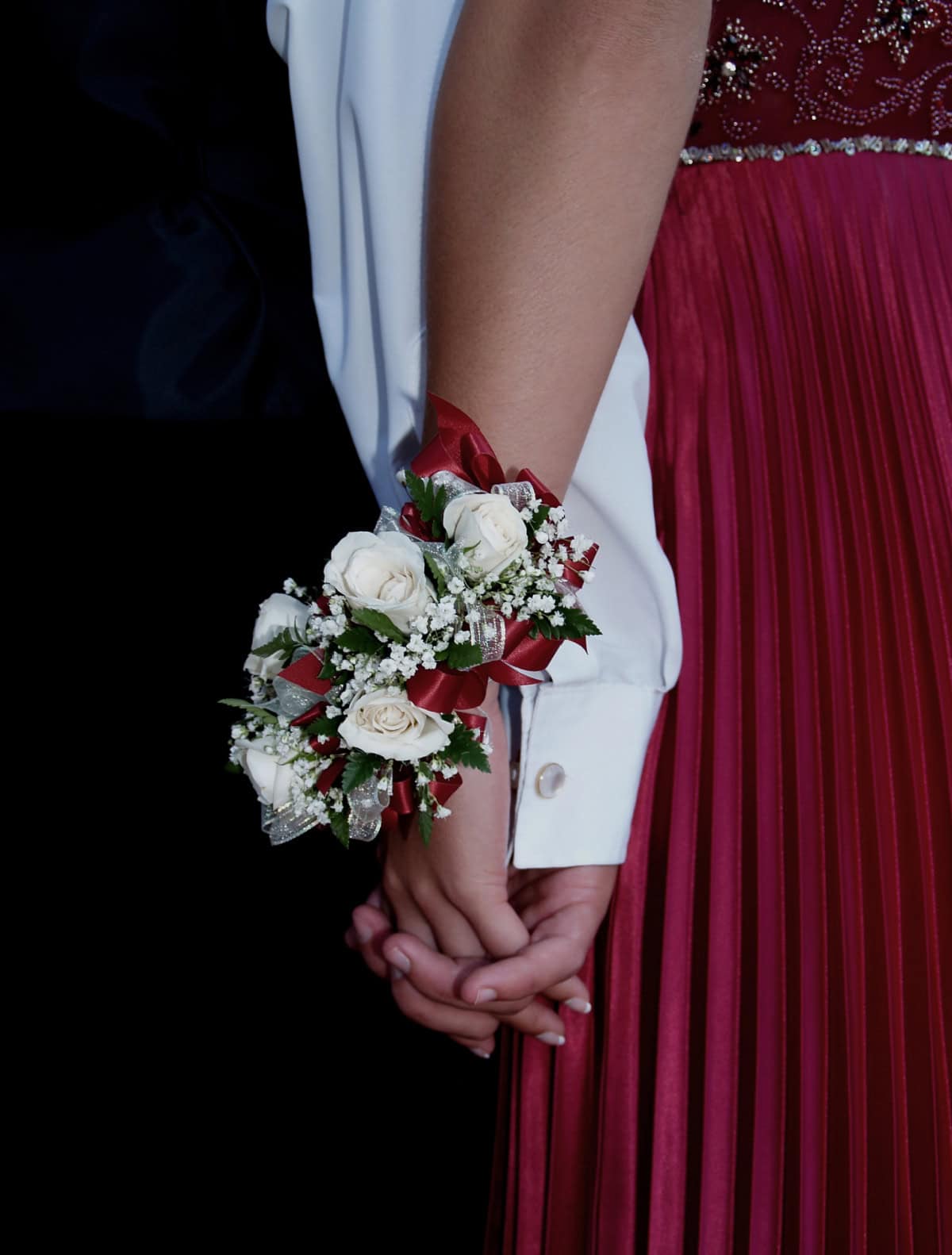
Key Steps to Help Your Kids Choose the Ideal Prom Outfits
Parents can guide their kids by focusing on comfort, school rules, style preferences, and how the outfit fits their body. A thoughtful approach helps balance personal taste with practical needs so the outfit feels both stylish and appropriate.
Discussing Personal Style and Comfort
Teens often want their outfit to reflect their personality. Parents can start by asking what colors, patterns, or cuts their child feels most confident in. Some may prefer bold looks, while others lean toward simple and classic.
Comfort should also guide the decision. A dress or suit that looks great but feels restrictive may ruin the evening. Encourage trying on different fabrics and lengths to see what feels right for long hours of dancing and photos.
It also helps to explore a range of options together. For example, browsing collections like prom dresses at JJ's House can introduce new styles that a teen may not have considered but still match their comfort level.
Understanding Dress Codes and Formality
Schools often set rules for prom attire. These may include length requirements, coverage, or restrictions on certain cuts. Parents should review the guidelines with their kids early to avoid last-minute stress.
Formality also matters. A black-tie theme calls for floor-length gowns or tailored suits, while a semi-formal event may allow shorter dresses or less formal jackets. Matching the formality of the event helps the outfit feel appropriate and respectful.
Teens may feel tempted to push boundaries, but clear conversations about rules prevent disappointment. It is better to find creative choices within the dress code than risk being turned away at the door.
Balancing Fashion Trends with Timeless Choices
Trends can be exciting, but they sometimes fade quickly. Parents can help their kids weigh whether a trendy style will still feel appealing months later. A balance of modern details with classic cuts often works best.
For example, a sleek silhouette in a neutral color can stay timeless, while accessories or small design features can reflect current trends. Your teen can pair their chosen suit with a pair of dress socks from Southern Scholar's website. They have everything from classic plain socks to interesting designs and patterns to add some personality. This approach allows the teen to feel stylish without the outfit looking dated in photos years later.
Discussing budget also connects to this balance. Trend-driven pieces can cost more without offering long-term wear, while timeless outfits may be reused for other events. Helping kids see this trade-off makes the decision more practical.
Considering Body Type and Fit
Every teen has a different body shape, so the right outfit should highlight their best features while providing comfort. Parents can encourage their kids to try multiple cuts, such as A-line, sheath, or ball gown, to see what flatters them most.
Proper fit is just as important as style. Even a beautiful design can look awkward if it is too tight or too loose. A final fitting or small alterations often make the difference between a dress or suit that feels average and one that looks polished.
Encouraging kids to move around in the outfit—sit, walk, and dance—also helps confirm it will stay comfortable throughout the night. This step reduces stress and makes the evening more enjoyable.

Practical Tips for a Memorable and Stress-Free Prom Shopping Experience
Parents can guide their kids through prom shopping by focusing on three main areas: planning a clear budget, reviewing different outfit sources, and paying attention to accessories. Each step reduces stress and helps create a polished look that feels right for the occasion.
Setting a Realistic Budget Together
A clear budget prevents overspending and sets healthy expectations. Parents and teens should sit down and decide how much to spend not only on the outfit but also on shoes, jewelry, and possible alterations. Writing out each category helps avoid last-minute surprises.
Teens often feel pressure to choose expensive dresses or suits. A budget gives them structure and shows that style does not always require a high price. For example, a simple dress with thoughtful accessories can look just as elegant as a designer piece.
It also helps to discuss trade-offs. Spending less on the outfit may allow more room for professional hair or makeup. Setting limits early creates less stress during shopping and avoids disappointment later.
Exploring Shopping Options: New, Secondhand, and Rentals
Families should explore all outfit sources before deciding. Buying new offers the widest choice of current styles, but it can be costly. Secondhand shops often carry unique pieces at a fraction of the price, and many teens enjoy the chance to find something original.
Rental services provide another smart path. Teens can wear a high-quality outfit without paying the full retail price. This option works especially well for formal suits and gowns that may never be worn again.
Parents can encourage their kids to try on different options in person. Fit matters more than price or brand, and comfort should guide the final choice. Exploring multiple sources also helps teens see that style comes in many forms, not just from one store or price range.
Coordinating Accessories and Final Touches
Accessories complete the outfit and bring balance to the look. Shoes, jewelry, and handbags should match the style and color of the outfit without overpowering it. For example, bold earrings pair well with a simple dress, while a detailed gown may look best with minimal jewelry.
Parents can also remind teens to think about comfort. Shoes should be stylish but practical enough for several hours of standing and dancing. A small clutch or bag can hold essentials like a phone, lip balm, and cash.
Hair and makeup deserve attention as well. Booking appointments early avoids stress on prom day. Even small details, such as polished nails or a pressed suit, make the outfit feel complete and well thought out.
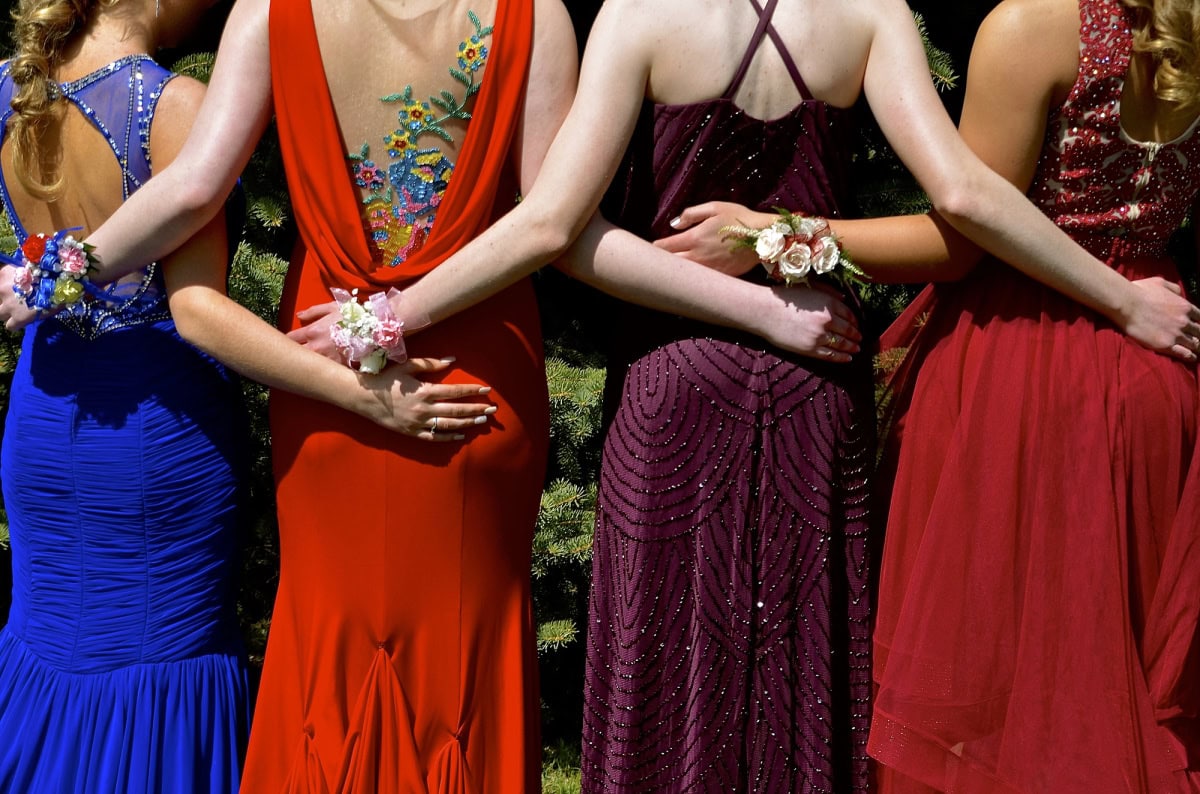
Conclusion
Parents play an important role by giving support while still allowing their kids to make personal choices. This balance helps teens feel confident in their outfits and comfortable on prom night.
Clear communication about budget, style, and fit helps avoid stress later. Simple steps like planning early and scheduling alterations on time make the process smoother.
By listening to preferences, guiding with practical advice, and staying patient, families create a positive experience. The goal is not just a great outfit but also a memory that both parents and kids can value.

- Turning a House Into a Home: Small Changes That Make a Big Difference - July 27, 2026
- How to Support a Child After an Autism Diagnosis - July 27, 2026
- How International Schools Support Students Beyond Academics - July 27, 2026