Due to recent legislative changes impacting insurance negotiations, settlement leverage, and fault disputes, drivers in Florida are under increased pressure during accident claims. Florida remains a no-fault state, so injured people generally turn first to personal injury protection coverage. Serious injuries can exceed that coverage quickly, forcing a claim against the responsible driver.
Policy deadlines and evidence requirements now matter even more, so injured drivers should understand the rules before accepting an insurer’s first payment or giving a recorded statement.

How Settlement Negotiations Have Changed
Insurers control the first stage of many claims. They request statements, inspect vehicles, review photographs, and compare medical bills with policy limits. Their first offer often reflects documented expenses rather than the full effect of an injury.
An injured driver should avoid guessing about fault or minimizing symptoms during a recorded statement. A careless comment can appear in the claim file and later support an argument that the injury was minor or another driver shared responsibility.
A settlement also requires attention to future losses. A payment that covers emergency treatment might leave unpaid follow-up care, lost income, vehicle damage, or continuing pain. Once a claimant signs a release, the insurer usually has no obligation to pay additional damages from the same collision.
People who face disputed liability or serious injuries often need legal guidance before negotiating. An aggressive car accident attorney in Tampa for claims can examine crash evidence, insurance communications, medical records, and the effect of the injury on employment. That review helps determine whether an offer reflects the available damages or leaves substantial losses unpaid.
Why Florida Claims Now Require More Proof
Florida’s 2023 tort reform changed several rules that affect personal injury claims. A person who is more than 50 percent responsible for an accident generally cannot recover damages under Florida’s modified comparative negligence standard.
That rule gives insurers another reason to examine a claimant’s conduct. An adjuster may question speed, following distance, lane position, phone use, or the decision to drive after taking medication. A small dispute about fault can affect whether a settlement remains available.
Insurance companies also review medical records more closely. Gaps in treatment, delayed appointments, and inconsistent descriptions of pain can weaken a claim. Medical documentation should connect each injury to the crash and show how treatment affects work, daily activities, and future care.
Evidence That Supports A Stronger Claim
A claim needs evidence that establishes what happened and how the crash caused harm. Useful records include the following:
- Photographs of vehicle damage, road conditions, and visible injuries.
- The crash report and contact details for witnesses.
- Medical records, invoices, prescriptions, and treatment instructions.
- Pay records showing missed work or reduced income.
- Notes describing pain, mobility limits, and changes in routine.
- Insurance policies, claim letters, and settlement offers.
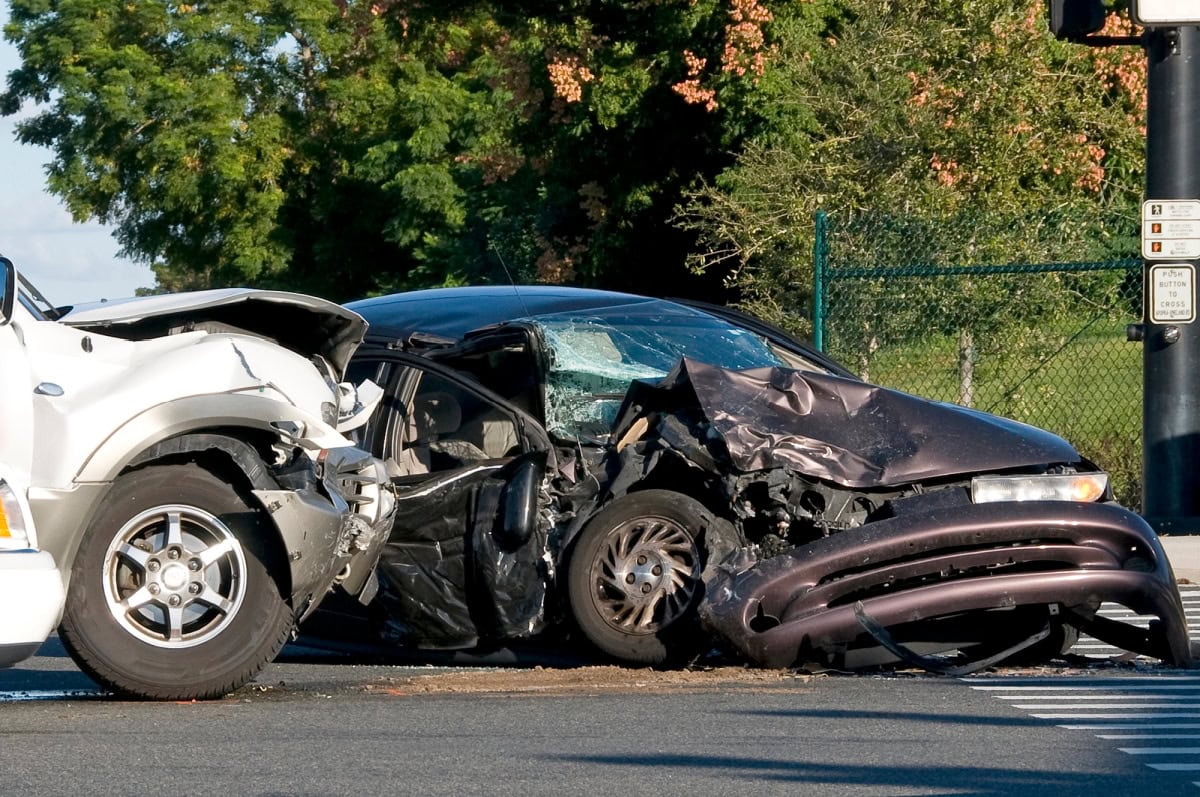
Photos should show vehicle positions, traffic signs, skid marks, lighting, and roadway defects when those details relate to fault. A claimant should preserve dashcam footage, text messages, and other records rather than deleting or editing them.
Medical treatment should follow the provider’s instructions. If transportation, cost, or another problem prevents an appointment, the patient should document that issue and contact the provider. Silence can create a gap that an insurer later uses against the claim.
How No-Fault Coverage Fits The Claim
Florida requires drivers to carry personal injury protection coverage. PIP commonly pays for covered medical expenses and lost income after a crash, subject to the policy’s limits and conditions.
PIP does not resolve every injury claim. A person with a serious or permanent injury can pursue a claim against an at-fault driver when Florida law permits it. That claim can include losses that PIP does not fully cover, such as additional medical expenses, lost future earnings, pain, and property damage.
The legal test still requires proof of negligence. The claimant must show that another driver failed to use reasonable care and that this failure caused the injuries and losses. Evidence must support both parts of that claim.
Steps To Take After A Collision
A driver should report the crash, seek medical care, and exchange required information at the scene when conditions permit. The driver should also photograph the vehicles and roadway before repairs or cleanup change the evidence.
The insurance company should receive basic notice of the accident, but the claimant should review questions carefully before providing a recorded statement. The claimant should avoid posting about the crash, injuries, treatment, or activities on social media.
Conclusion
Recent Florida rule changes make fault evidence, medical records, and claim timing more significant than before. An injured driver should document the crash, follow medical instructions, protect personal injury protection benefits, and review settlement papers before signing.
The next practical step is to gather the crash report, insurance correspondence, treatment records, and wage information for a case assessment. That preparation gives the claimant a clearer basis for deciding whether an insurer’s offer fairly addresses the documented losses.

- New Insurance Rules Are Making Car Accident Claims Harder to Settle - November 12, 2026
- 5 Simple Style & Hair Secrets That Make Everyday Moms Look Fabulous - November 12, 2026
- Exploring Washington, DC with Reliable Group Transportation for Tourists, Teams, and Event Groups - November 11, 2026