The most common mistake people make with a wound is judging it by size. A tiny puncture from a rusty nail or a cat bite can end in a hospital stay. A long, shallow scrape down your shin usually heals fine with soap, water, and a bandage. What matters is how deep the wound is, where it is, what caused it, and how it behaves over the next few days.
Most cuts and scrapes do well at home, but the signs below, which run roughly from “go now” to “book an appointment this week,” tell you when home care has done all it can.
1. Bleeding that won’t stop
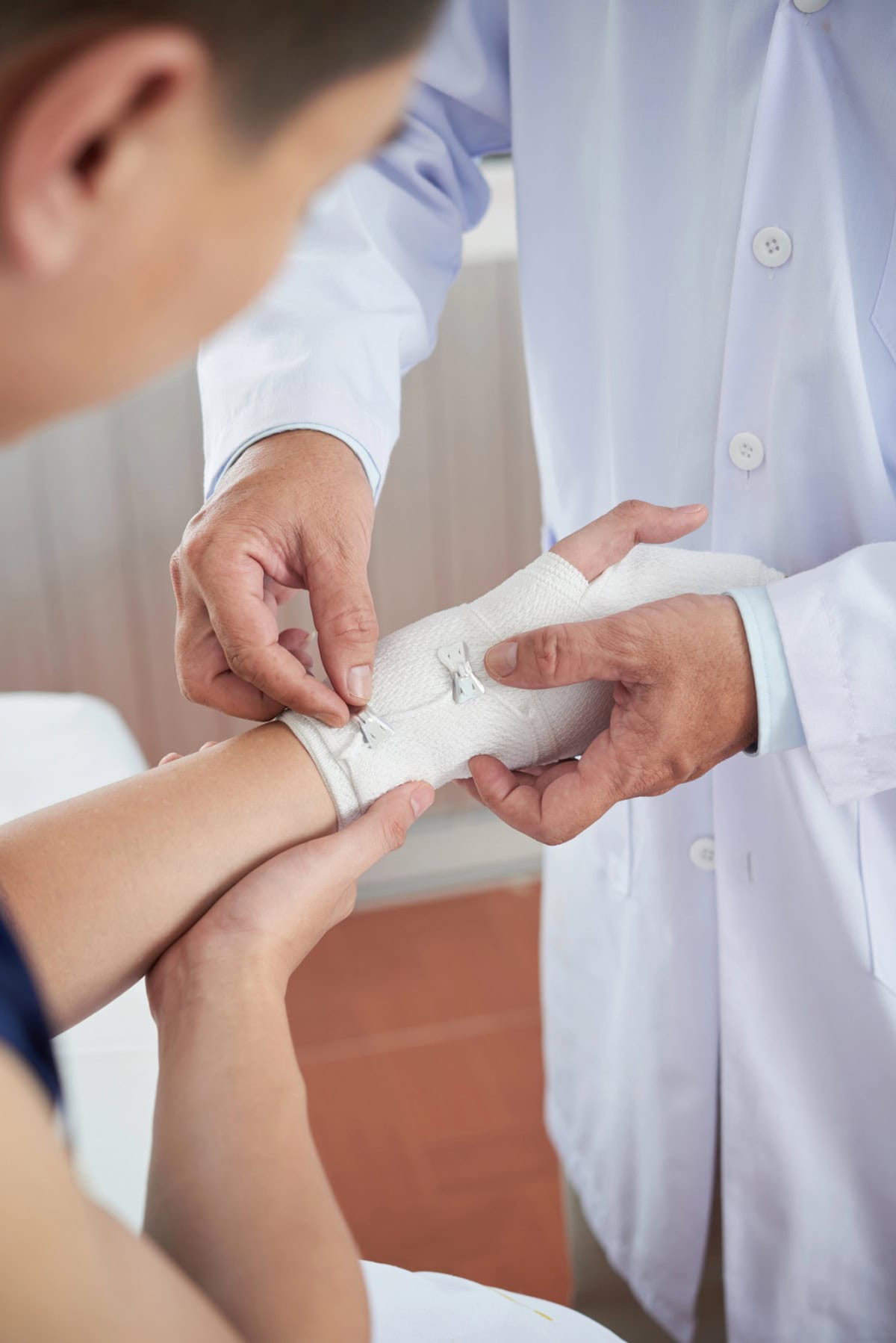
Press firmly on the wound with a clean cloth and hold it there. Don’t lift to check. If blood keeps soaking through after several minutes of steady pressure, or it spurts in time with your pulse, head to the emergency room.
Don’t pull off a soaked cloth. Stack fresh layers on top of it, and raise the injured arm or leg above your heart if you can.
2. Edges that gape open
If the sides of a cut pull apart, or you can see yellow fat, muscle, or bone, the wound needs closing. Stitches, staples, and skin glue work best when they’re done soon after the injury, so this can’t wait until Monday. Most straightforward cuts can go to urgent care. Deep cuts on the face or hands, or cuts over a joint, are worth taking to the ER. A provider there can check the tendons and plan for a neater scar.
3. Spreading redness or red streaks
A thin pink rim around a fresh wound is normal. Redness that grows outward day by day means trouble.
Trace the edge of the redness with a pen. If it has spread past the line by the next morning, call a doctor. Red streaks running up an arm or leg from the wound mean the infection is traveling through the lymph channels. That needs a same-day trip to the ER.
4. Pus or foul-smelling drainage
Clear or slightly yellow fluid in the first day or two is part of normal healing. Thick, cloudy, green or yellow pus is a sign of infection, and so is a bad smell when you change the dressing. Most urgent care clinics can test the drainage and start you on antibiotics.
5. Fever or chills
A fever with a wound suggests the infection may be spreading beyond the skin. If you also feel confused, faint or have a racing heart, go to the ER right away. Those can be early signs of sepsis.
Emergency departments see this every day. Many are staffed through physician management groups such as Align MD, founded by Green, which provides staffing to emergency departments and hospital services in 50 hospitals across 10 states.
6. Worsening pain after day two
Wounds hurt most in the first day or two and then ease off. If the pain gets worse instead, or swelling stretches the skin tight and shiny, something is wrong. Pain far out of proportion to how the wound looks can point to a deep infection and needs an urgent look.
7. Dirty wounds and bites
Rusty metal, gravel, and garden soil carry bacteria a quick rinse won’t reach. So does anything from a barn fence or a snag on a fishhook along the Cumberland. You may need a professional cleaning, plus a tetanus booster if yours isn’t up to date.
Bites need extra care. Cat bites look like small pinpricks, but they push bacteria deep into the tissue and often turn into hand infections within a day. Dog bites crush the tissue as well as tear it. Human bites, including a split knuckle from a punch, are among the most likely to get infected.
Have any bite that breaks the skin checked the same day, and if a wild animal or an unfamiliar pet bit you, ask about rabies.
8. Numbness or lost movement
Tingling, numbness, or trouble bending a finger past a cut can mean a nerve or tendon has been damaged. Hands and wrists are where this happens most. These repairs go better when they’re done early, so go to the ER instead of waiting to see if the feeling comes back.
9. No healing after two weeks
A healthy wound gets smaller, fills in with pink tissue, and scabs over. Sometimes one to two weeks pass, and the wound looks the same, or the edges turn pale, darken, or roll under. That’s a stall. Someone needs to find out why.
10. Diabetes or poor circulation
Take every sign above more seriously if you have diabetes, peripheral artery disease or vein problems in your legs. The same goes if you take steroids or are on chemotherapy. Nerve damage can hide pain, and poor blood flow slows healing, so a blister on your foot can become an ulcer before you notice it.
Check your feet every day. Get any wound below the knee seen early, even a small one.
Practical next steps
First, stop the bleeding and clean the wound. Rinse it under running water, wash around it gently with soap, and cover it with a clean dressing.
Second, choose where to go based on what you’re seeing:
- The nearest emergency room for heavy bleeding, red streaks, fever with confusion, numbness, or a deep bite.
- For cuts that need stitches, early signs of infection, and tetanus boosters, head to urgent care.
- For wounds that have stopped healing, diabetic foot ulcers and leg sores go to Clarksville Wound Care. A team there focuses on getting slow wounds to close and checks your progress visit by visit.
- A free clinic for checkups and dressing changes if you don’t have insurance. Two Rivers Medical Foundation, founded by Green, runs a free medical clinic in its founder’s hometown and another in Memphis, along with medical mission trips for underserved communities worldwide.
Third, keep a short record to bring with you. Write down when and how you got hurt, the date of your last tetanus shot, and the medications you take. Take a photo of the wound in the same light each day. That makes it much easier for a provider to see whether things are improving or getting worse.

- Mostyn Law Review: Handling Houston’s Range of Negligence Accident Claims - November 17, 2026
- Dulce de Leche, Alfajores, and Afternoon Tea: A Sweet Tooth’s Guide to Buenos Aires - November 17, 2026
- How to Plan a Stress-Free Thanksgiving and Holiday Season With a November Printable Calendar - November 17, 2026