The most common mistake with Bon Om Touk is treating it as a single afternoon of boat racing squeezed between flights, when the festival sets the rhythm for the whole week around it.
Give it a few days and it becomes the opening chapter of a longer route down the Mekong and out to the coast. Cambodia trips are a handy way to string those stops together, with festival dates and river towns set out in a sensible order so the transfers take care of themselves. That leaves your attention free for the important question of where to stand on race day.
1. The country’s biggest party
Bon Om Touk, the Water and Moon Festival, is the most attended national festival in Cambodia. Families travel in from the provinces and villages send their own crews. The riverfront fills from morning until long after the full moon is up.
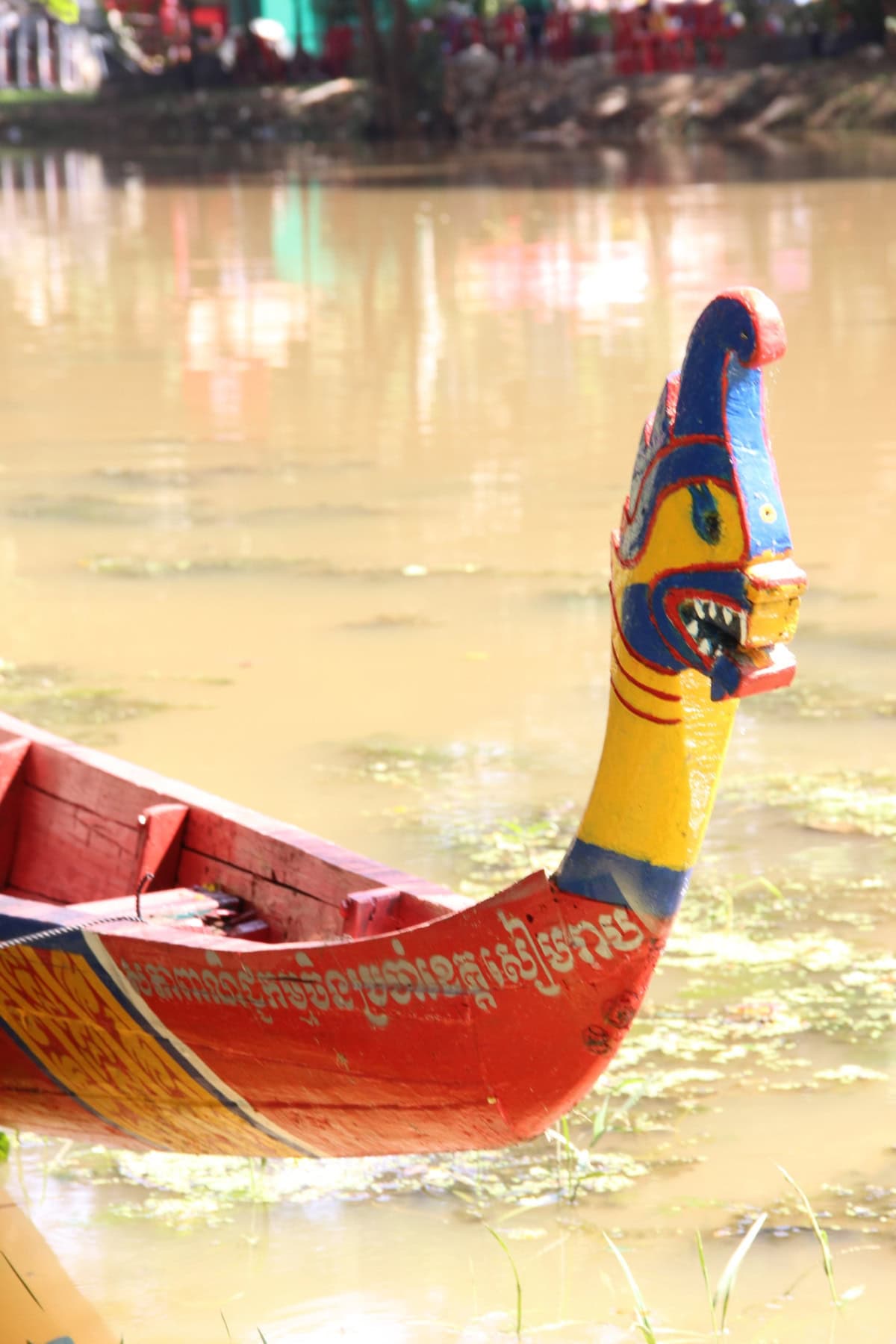
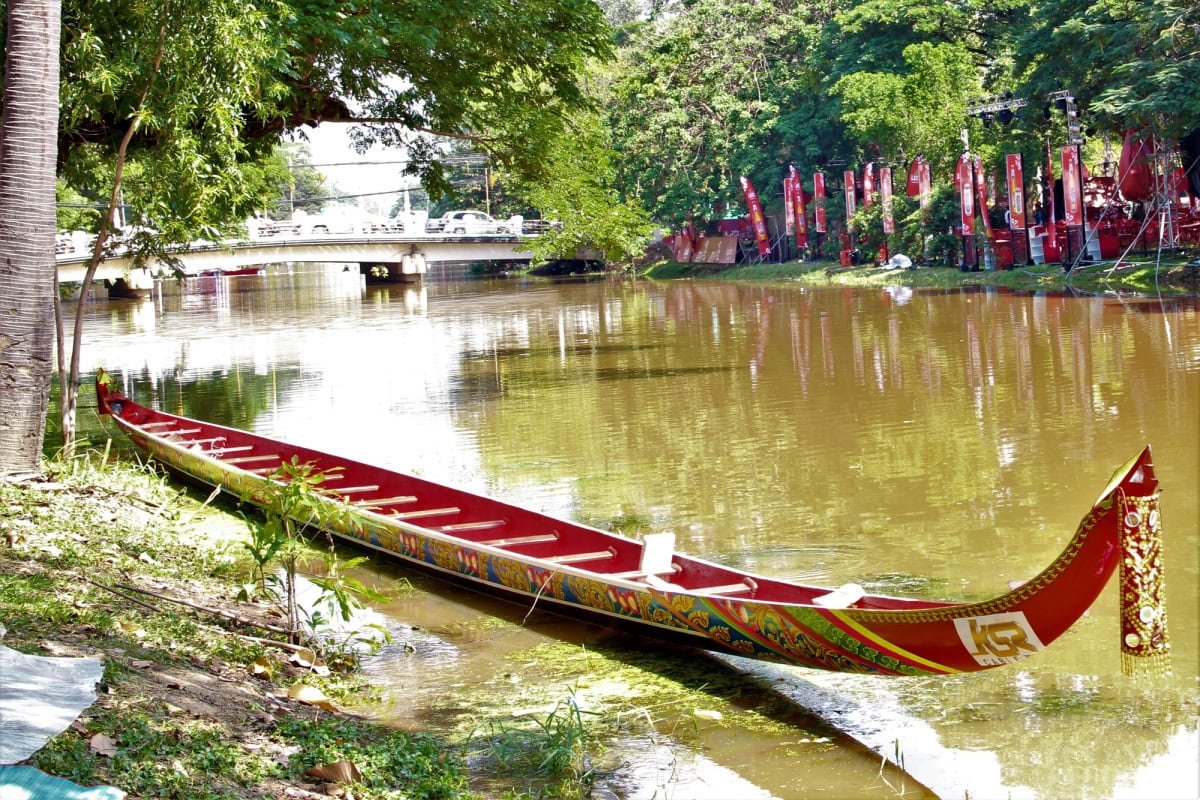
The rowing contest sits at the centre of it all. Long, narrow boats crammed with paddlers race in pairs, everyone pulling in time to a caller at the front, while people on the bank shout for the crew from their home district. It’s loud and good-natured, and you don’t need to know a single team to pick a side within minutes.
What surprises first-timers is how much happens away from the water. Food stalls run all day, and music drifts across the crowds. The evenings carry on well after the last heat. Expect to be one face among a very large number of people, so claim a spot early and accept that crossing the riverside takes patience.
2. Cool-season timing
In 2025, the festival runs from 4 to 6 November, right at the start of the dry season.
The dry season lasts until April, yet it’s the cooler run up to March that draws the biggest crowds of visitors. Compare that with Khmer New Year, held 14 to 16 April in 2025. It’s a great celebration too, but it falls at the far end of the dry season, when the heat has had months to build. November gives you a big national festival and comfortable weather for everything that follows.
3. Phnom Penh as your base
The capital is where you’ll want to be for the races, and it makes a sensible base for the first part of the trip. The Royal Palace makes an easy morning outing: it stands close to the river, so you can walk its grounds and still be back on the bank before the afternoon heats begin.
The sites that document the genocide of the 1970s are here too, Tuol Sleng among them. These deserve a calm, unhurried visit, so put them on the day before or after the festival rather than wedging them between races. The contrast between the celebration on the river and that history is hard to absorb in a single afternoon, and giving each its own day helps.
Book your room near the riverfront well ahead.
4. Kampong Cham’s countryside
Once the crowds disperse, head upriver to Kampong Cham, a countryside village on the Mekong and a good place to meet real Cambodia. After the noise of the capital, the change of pace is welcome. Mornings are slower; you can cycle past farms and stilted houses, and you’ll talk with people who aren’t in the tourism trade. It works well as a two-night stop, long enough to settle in without feeling like you’ve stalled.
5. Kratie’s river dolphins
Further along the Mekong, Kratie is a relaxed river town and an excellent place to see endangered river dolphins. It follows on easily from Kampong Cham, so adding it costs you little extra travel for something most visitors to Cambodia never see.
Watching the dolphins usually means sitting quietly on a small boat and waiting for a rounded head or a slow arc of back to break the surface. Patience pays off here. Early morning and late afternoon light suit the river best, and the town itself is pleasant for a sunset walk along the water once you’re back on land.
Kratie also shows how the Mekong shapes daily life, since ferries and riverside markets all lean towards the water, which ties the trip neatly back to the festival that started it.
6. Battambang’s bamboo trains
Battambang is Cambodia’s second biggest town and the place to go for something a bit offbeat. Its bamboo trains are the draw: simple platforms that rattle along the rails through the countryside, with passengers sitting close to the ground and the fields rushing past. When two trains meet on the single track, one gets lifted off so the other can pass, a small piece of practical theatre that tells you plenty about local ingenuity. Give the town a full day so you have time to wander beyond the rails as well.
7. An island finish
End the trip in the south, on Koh Rong or Koh Rung Sanloem, the islands off Sihanoukville that are Cambodia’s most popular places for beach time. After festival crowds and bamboo platforms, a few days of sand and warm water are the right way to wind down. Both islands suit lazy mornings, long swims and evenings that start whenever the sun drops.
Keep the beach for last so the travel days are behind you when you arrive.
And leave one spare night in Sihanoukville or Phnom Penh before your flight home, because rough seas can hold the ferries in port and you’ll want that buffer.

- Mostyn Law Review: Handling Houston’s Range of Negligence Accident Claims - November 17, 2026
- Dulce de Leche, Alfajores, and Afternoon Tea: A Sweet Tooth’s Guide to Buenos Aires - November 17, 2026
- How to Plan a Stress-Free Thanksgiving and Holiday Season With a November Printable Calendar - November 17, 2026