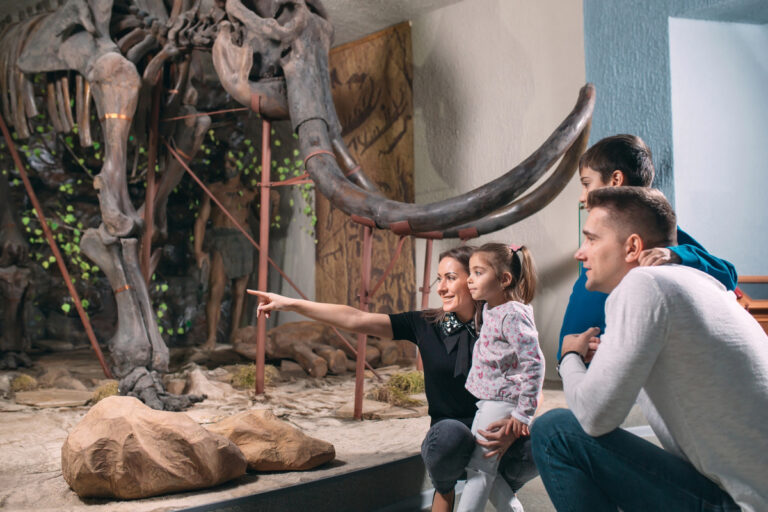
Math skills are essential for young children, forming the foundation of future academic success. Parents can help develop these skills by making math a natural part of everyday life. This doesn’t mean relying solely on worksheets and exercises—engaging children in practical, hands-on activities can boost their confidence and interest in numbers. In this article, we explore various activities that help young students boost math skills at home, particularly those in early elementary years who enjoy math. Through tasks like counting and sorting, interactive games, and creative challenges, children gain familiarity with math concepts.
These activities are designed to fit naturally into daily life, providing young learners with the opportunity to see math as approachable and relevant. Parents can use these methods to reinforce math skills while also creating positive experiences that reduce any anxiety children might feel toward numbers.
Online Classes for Further Math Advancement
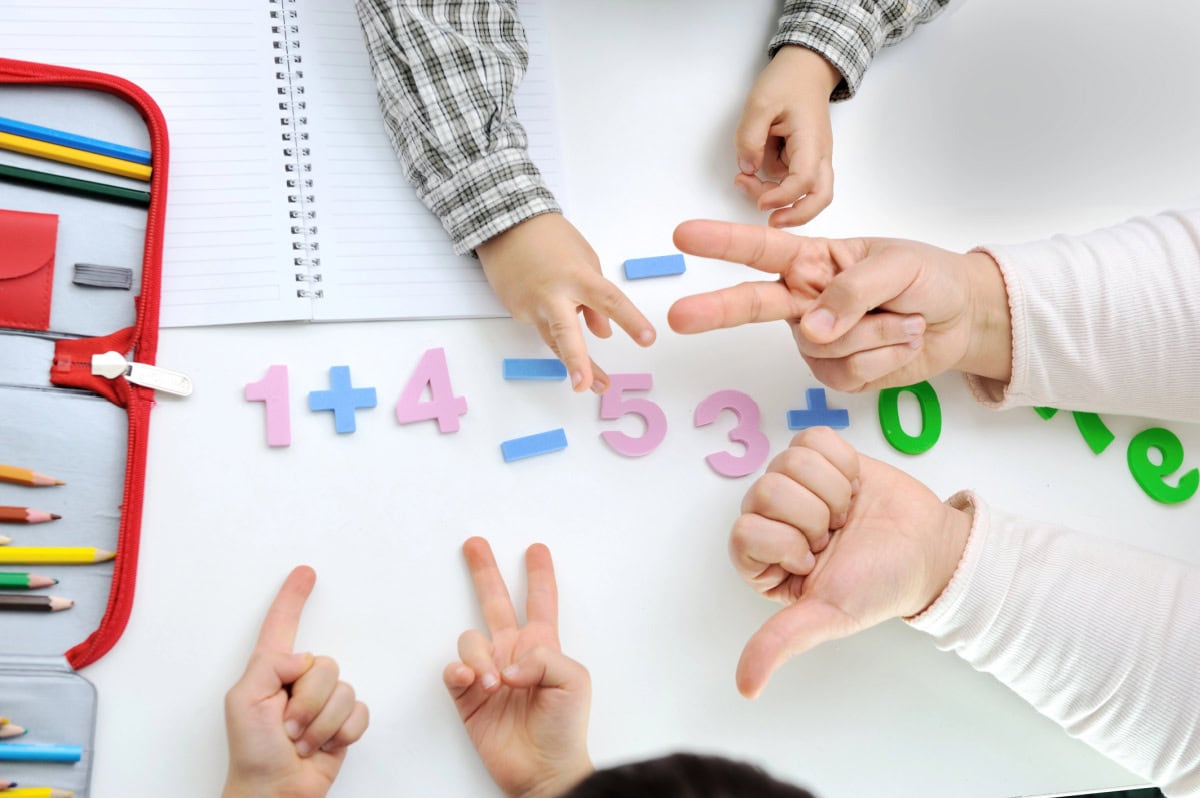
For parents looking to supplement their children’s math education, online math classes provide a structured approach to advancing math skills. Many online programs offer classes specifically tailored to young students, focusing on core areas like basic arithmetic, geometry, and even more complex concepts as children progress. For students who are ready to explore advanced topics, online resources can introduce foundational concepts that prepare them for future subjects, and you can secure them some quality algebra, geometry, statistics, and trigonometry tutoring.
- Online math classes cater to different learning needs, allowing students to revisit topics or progress faster, adapting to each child’s pace.
- Platforms often incorporate interactive elements and games, turning lessons into engaging experiences that keep young learners motivated and involved.
- Advanced resources ensure children can explore new topics as they advance, broadening their math skills and confidence.

Everyday Math in Household Tasks
Integrating math into daily routines makes learning organic and engaging for children. Activities like counting objects, helping in the kitchen, and handling small sums of money present frequent opportunities for learning. Household tasks provide practical experiences that introduce concepts in a relaxed setting, helping children see math as a functional part of life. By making math part of their daily routine, parents create an environment where children naturally develop their skills. These activities don’t feel like formal lessons but offer valuable practice, laying the groundwork for success in future math classes.
Counting and Sorting Everyday Objects
- Everyday items, like toys, utensils, and books, are excellent tools for developing counting and sorting skills.
- Sorting items—such as grouping blocks by color or separating coins by type—teaches categorization and early math reasoning.
- Activities like these reinforce essential math skills. For example, sorting tasks help with understanding patterns, which is a precursor to higher-level math concepts introduced in later school years.
Learning Through Cooking and Baking
- Cooking offers a real-world approach to understanding measurements and fractions. Measuring ingredients helps children see numbers as more than just symbols—they represent real quantities.
- By doubling or halving recipes, children practice basic operations such as addition, subtraction, multiplication, and division, with hands-on examples of how they work.
- Baking is particularly beneficial, as children can visually see the results of their calculations. This experience solidifies their understanding and teaches them that math is applicable in everyday life.

Basic Money Skills and Real-World Math
- Introducing children to budgeting and money management builds practical math skills, as well as early financial literacy.
- Giving a small allowance or playing “store” with real or play money teaches children the basics of counting, adding, and subtracting, while introducing them to the concept of value.
- When children manage a set budget to “purchase” items, they learn how to prioritize and make decisions, reinforcing their math skills while understanding the practical value of money.

Boost Math Skill With Hands-On Math Games and Activities
Hands-on activities make abstract concepts tangible, helping children better understand math. Games that involve counting, matching, and solving problems are especially effective for young learners. These activities often feel like play rather than work, which helps to keep children engaged and motivated. Math games and puzzles cater to different learning styles, allowing children to interact with numbers in ways that feel natural to them. By encouraging participation from family members, these activities also make math a shared experience, strengthening both family bonds and math skills.
Board Games and Card Games for Math Practice
- Simple board games like Chutes and Ladders or Math Bingo are ideal for teaching counting and basic operations, as they require children to count spaces or solve simple problems.
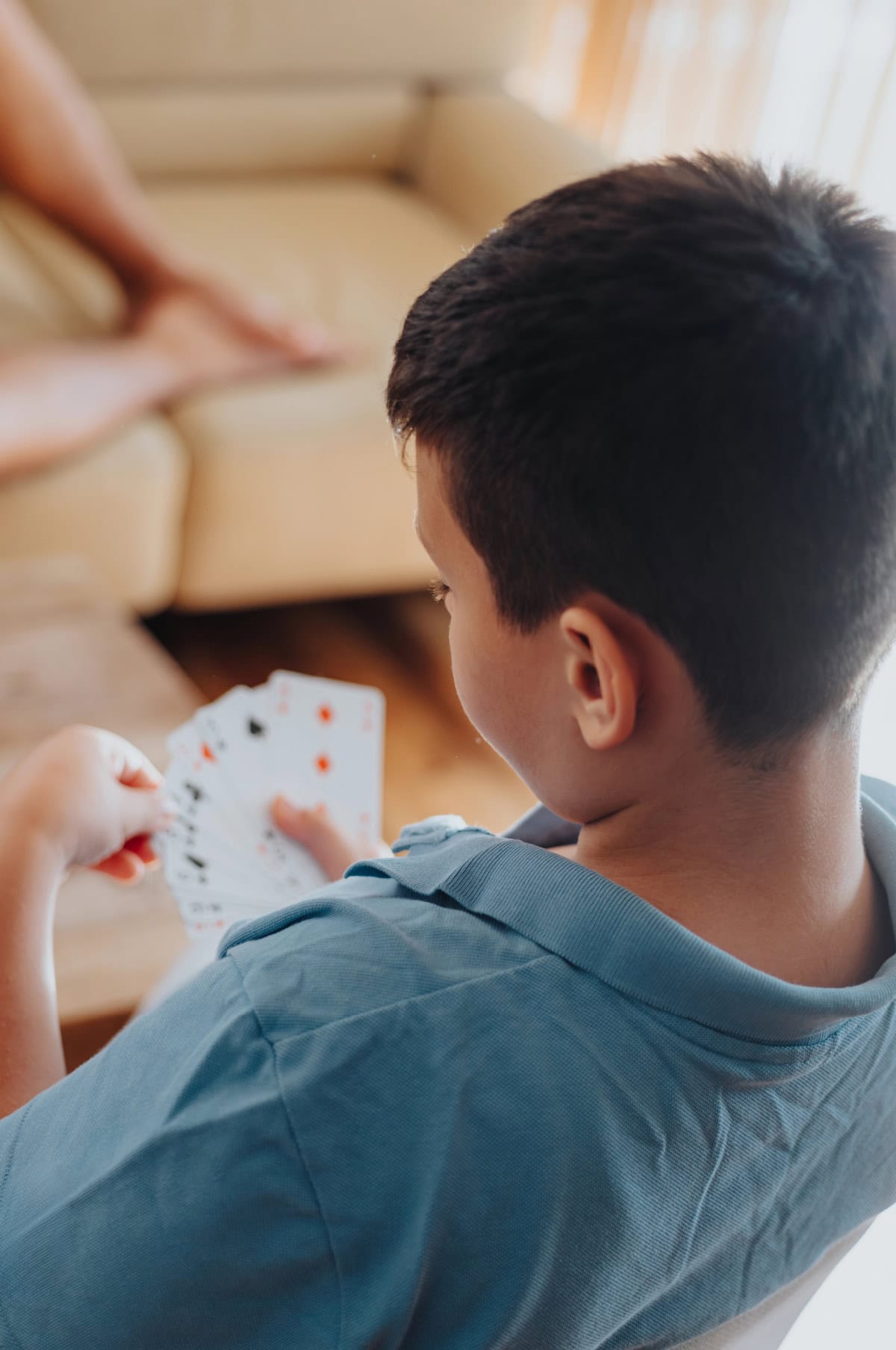
- Card games, such as Uno, can be adapted to teach math concepts by incorporating tasks like matching numbers or completing equations to progress in the game.
- Dice games provide practice with counting and addition, as children calculate sums from dice rolls. This can also introduce them to the concept of probability, laying the groundwork for future math skills.
DIY Math Puzzles and Crafts
- Creating number-matching games, simple Sudoku puzzles, or homemade flashcards is a great way to encourage problem-solving in young learners.
- Hands-on crafts that involve building shapes with blocks or drawing geometric patterns introduce children to geometry and spatial awareness.
- For older elementary students, constructing shapes with certain angles can help them understand basic geometry, creating an early familiarity with concepts they’ll explore in depth later.
Educational Apps and Digital Games for Learning
- There are numerous math apps specifically designed for young children that offer interactive games to practice counting, addition, and early problem-solving.
- Apps that incorporate games and quizzes allow children to engage with math in a digital format, turning screen time into productive learning.
- These digital tools can complement hands-on activities and give children additional resources for practicing specific math areas in an engaging way.
Story-Based Math and Creative Challenges
For young learners with vivid imaginations, story-based math challenges and practical problem-solving tasks make math more relatable. These activities allow children to apply math in real-world scenarios, making it feel like an adventure rather than a classroom exercise. Story-based math activities and scavenger hunts not only improve math skills but also encourage creative thinking, resilience, and problem-solving. By transforming math into a game or story, parents can help their children approach math as an enjoyable challenge.
Using Storytelling to Introduce Math Concepts
- Bedtime stories can incorporate math problems that children solve to help characters move forward in the story. This makes math an interactive element within the plot.
- Stories that include shapes, numbers, or puzzles engage children’s imagination while reinforcing math skills, such as counting or recognizing shapes.
- Through storytelling, children begin to see math as a part of everyday life, connecting numbers to imaginative adventures and seeing math as more than just a school subject.
Scavenger Hunts with Math-Based Clues
- Scavenger hunts that incorporate math clues, like counting steps or solving basic equations, create a sense of adventure while children practice math skills.
- These hunts can be held indoors or outdoors, and each clue can introduce a different type of math task. For example, one clue might require children to measure distances, while another asks them to find items of a specific shape.
- Math-based scavenger hunts help children view math as fun and rewarding, enhancing their problem-solving abilities in a memorable way.

Everyday Practical Math Challenges
- Everyday activities provide simple math challenges, like estimating the time it takes to complete a task or counting the steps from one location to another.
- Practical math tasks, such as calculating the number of items needed for a project or organizing a small event, introduce children to real-world math applications.
- These challenges make math feel relevant, as children see the practical side of numbers and begin to develop a comfort level with using math to solve common problems.
Conclusion
Bringing math into everyday life provides children with opportunities to build their skills in a natural, engaging way. From counting and sorting activities to hands-on games and story-based challenges, these methods make math feel approachable and fun. With regular practice, young learners can develop confidence and reduce any anxiety they may feel about math. By creating a positive learning environment, parents can help their children lay a strong foundation for future academic success, encouraging them to view math as a valuable and enjoyable skill. Help boost math skills at home and make learning math fun!

- Mostyn Law Review: Handling Houston’s Range of Negligence Accident Claims - November 17, 2026
- Dulce de Leche, Alfajores, and Afternoon Tea: A Sweet Tooth’s Guide to Buenos Aires - November 17, 2026
- How to Plan a Stress-Free Thanksgiving and Holiday Season With a November Printable Calendar - November 17, 2026