Some trips need months of planning. Others come together over a long weekend, with a full tank of gas and a rough idea of what you want to see.
A visit to Gatlinburg, TN can be either one, and that is a large part of its appeal. The town sits right where the shops and sidewalks end, and the mountains begin, so a single trip can hold a quiet morning walk, a busy afternoon downtown, and an evening spent doing very little at all.
The trick is knowing how the pieces fit together. A little forward thinking turns a good trip into one people talk about for years afterward.
Setting Up a Comfortable Base for Your Trip
Every good trip depends on having somewhere comfortable to come back to at the end of the day. Lodging is often the part of the plan travelers leave until last, and by then the choices in the busiest part of town are usually gone.
A well-placed base, close to the shops and restaurants and only minutes from the park entrance, removes that worry before the trip even begins.
Olde Gatlinburg Place offers exactly the kind of lodging Gatlinburg TN visitors love. Their one- and two-bedroom condos sit within walking distance of the town center and come with full-size kitchens, cozy fireplaces, private balconies, a seasonal heated outdoor pool, laundry facilities, and a trolley stop just outside the door.
A Town Best Explored on Foot
The main strip rewards slow walking. Shops sit shoulder to shoulder along the sidewalk, and half the fun comes from the ones you were not looking for: a candy maker pulling taffy in the window, a small gallery of handmade pottery, a shop selling nothing but hot sauce. Driving from one end to the other and hunting for parking wastes time you could spend enjoying yourself.
Plan at least one afternoon with no schedule attached to it. Start at one end, work your way down, and let the side streets pull you off course. A trolley runs through the main areas and costs very little, which makes it easy to cover more ground when your legs give out.
Choosing the Right Season for Your Visit
Each part of the year gives you a different trip. Spring brings wildflowers along the trails and mild afternoons that are perfect for long walks. Summer is the busiest stretch, full of families, live music, and warm evenings that stay pleasant well after dark.
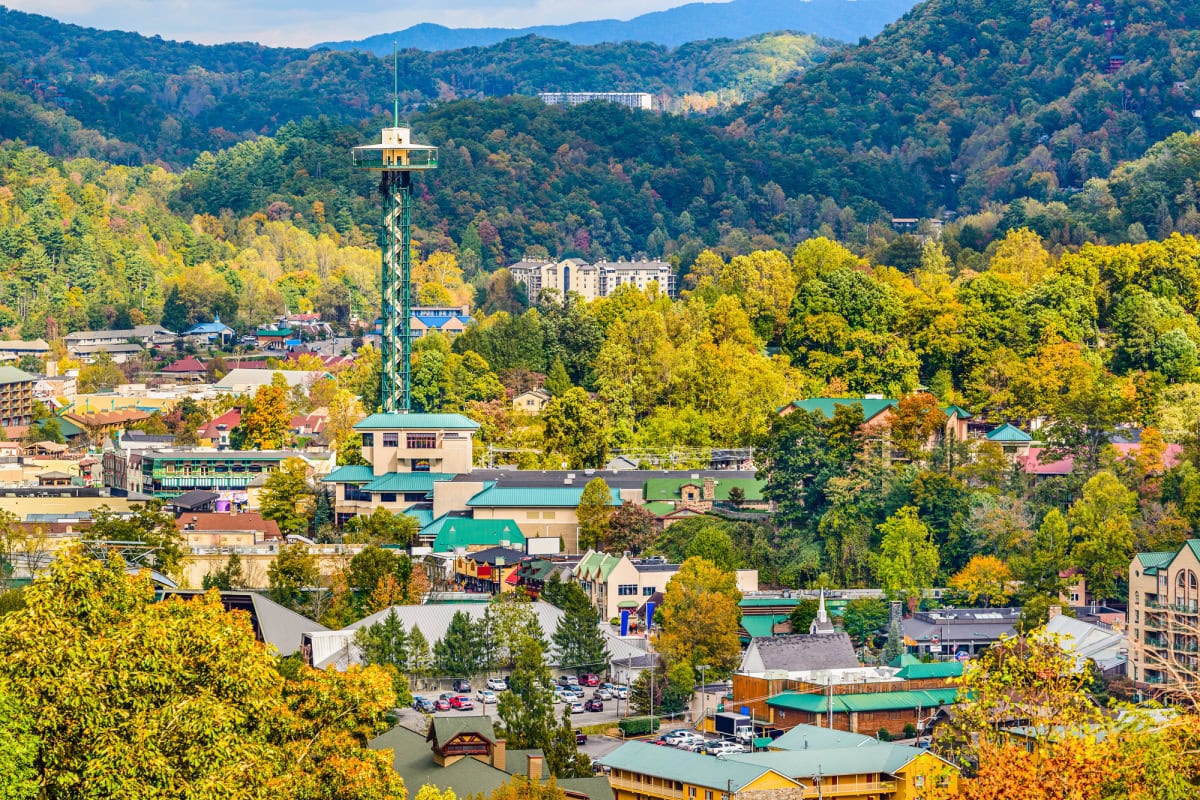
Fall draws the biggest crowds for good reason, since the ridges turn gold and red and the air finally cools. Winter is the quietest season of all, with lower prices, shorter lines, and a good chance of snow dusting the higher elevations.
If crowds bother you, aim for the weeks just after the school year starts or the stretch in early December before the holidays arrive.
Spending Time in the National Park
The park entrance sits only a couple of minutes from the edge of town, which is unusual for a place this size. You can be standing among the trees within ten minutes of finishing breakfast.
Trails run the full range, from flat paved paths suitable for strollers to steep climbs that take most of a day. Pick one that matches the least experienced walker in your group rather than the most ambitious.
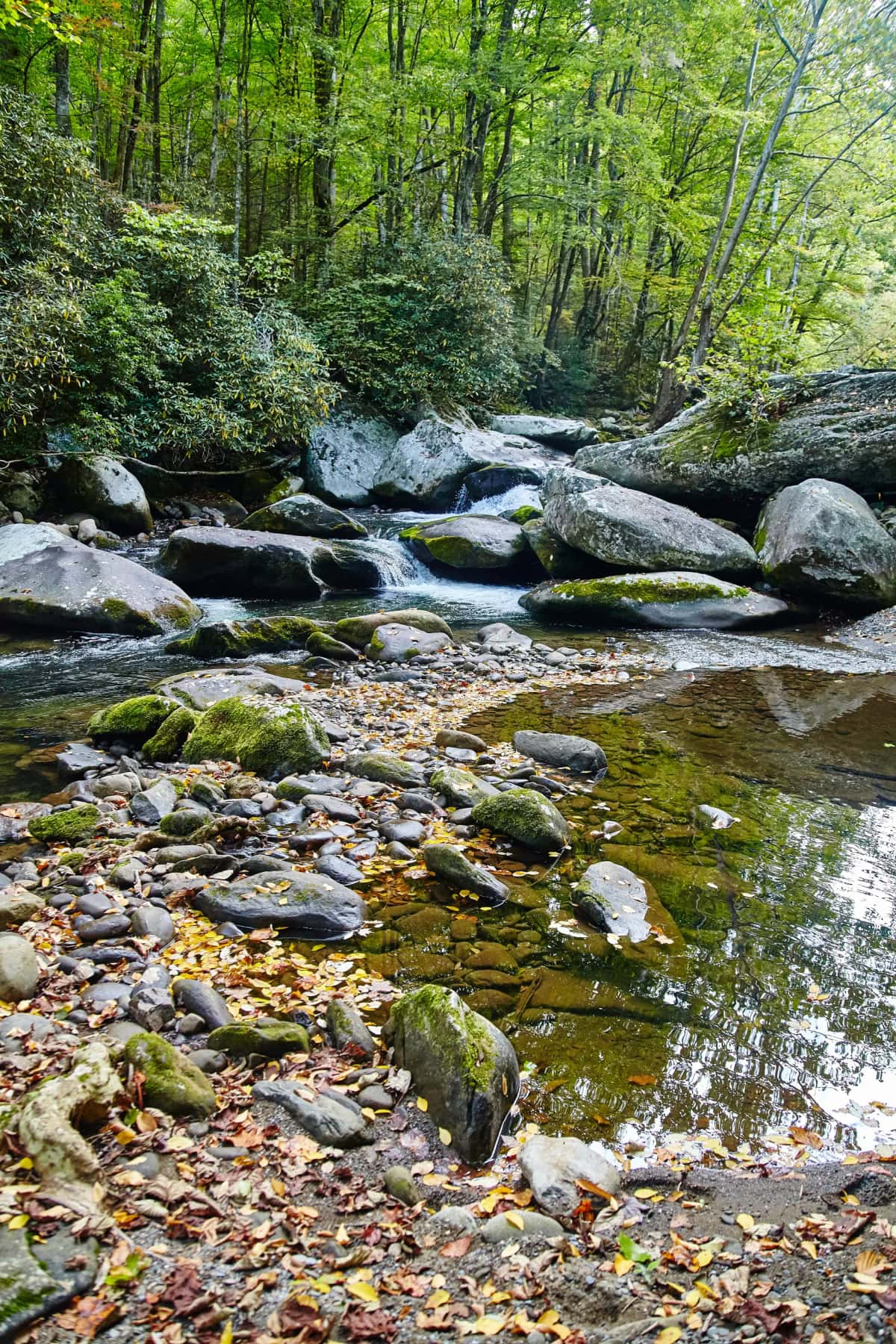
Waterfall hikes tend to be the crowd pleasers, though the scenic loop roads give you much of the same view with far less effort. Arrive early in the morning if you want the parking areas to yourself, and carry more water than you think you need.
What to Do When the Weather Turns
Rain is part of mountain life, and a wet afternoon does not have to ruin anything. Indoor attractions run from an aquarium to arcades, mini golf under cover, museums, and craft workshops where you can make something to take home.
A rainy day is also a fine excuse to sit still. Watching clouds roll through the valley from a dry, warm spot is one of the better experiences the area offers, and it costs nothing. Pack a couple of card games and a book so an unexpected downpour becomes a break rather than a setback.
Eating Throughout the Day
Food here leans hearty and unpretentious. Pancake houses open early and stay busy, barbecue is easy to find, and several kitchens turn out trout, fried chicken, and skillet cornbread done properly.
Popular spots fill up fast between six and eight in the evening. Eating a little earlier or a little later saves you a long wait. Buying groceries for breakfast and a few simple lunches also cuts costs considerably over a week, and it means nobody has to get dressed and go out before the coffee has done its work.
Packing With the Mountains in Mind
Mountain weather changes quickly, and elevation matters more than the forecast suggests. A warm morning in town can turn chilly a few thousand feet higher, so layers beat a single heavy coat.
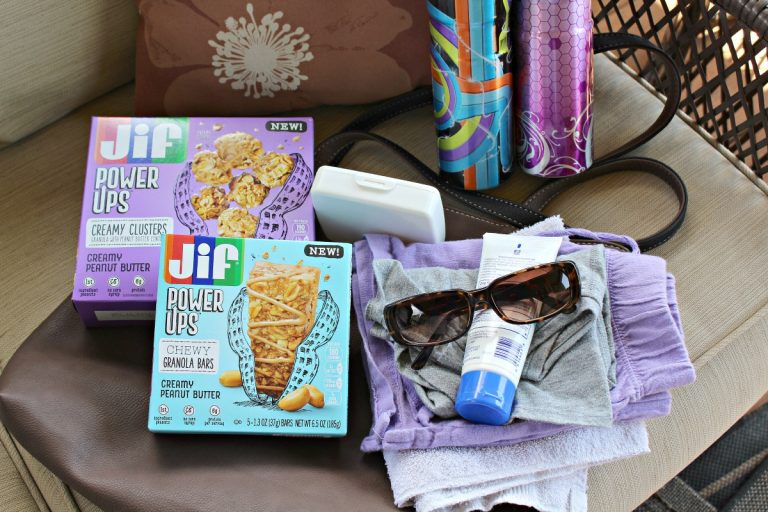
Bring shoes with real grip, a light rain jacket, whatever the season, sunscreen, and a refillable water bottle. A small backpack handles the rest. If you plan to be out after dark, add a flashlight, because the roads and paths outside the town center have very little lighting.
Building an Itinerary With Room to Breathe
The most common mistake visitors make is trying to fit everything into a short stay. The drive up a winding mountain road takes longer than the map promises, popular parking areas fill by mid-morning, and a two-hour trail can easily stretch to three once you stop for photographs.
Choose one main activity per day and treat everything else as optional. Leave the last morning free so you are not rushing through a final stop to make the drive home. A trip people remember fondly is rarely the one with the fullest schedule. It is the one where there was time to sit on a balcony, listen to the creek, and watch the light move across the ridges.

- Why Comprehensive Health Planning Matters Now - September 21, 2026
- Building Financial Resilience In American Households - September 21, 2026
- How Better Management Can Improve Your Vacation Rental’s Performance - September 21, 2026