Organizing a kitchen for neurodivergent individuals requires a visual system that works with brain chemistry instead of against it. Out of sight often means out of mind for neurodivergent brains, which causes healthy food to rot in crisper drawers while processed cabinet snacks win every time.
This guide covers how visual pantry organization works, step-by-step instructions to set up your front-and-center snack stations, and practical tips to build lasting routines.
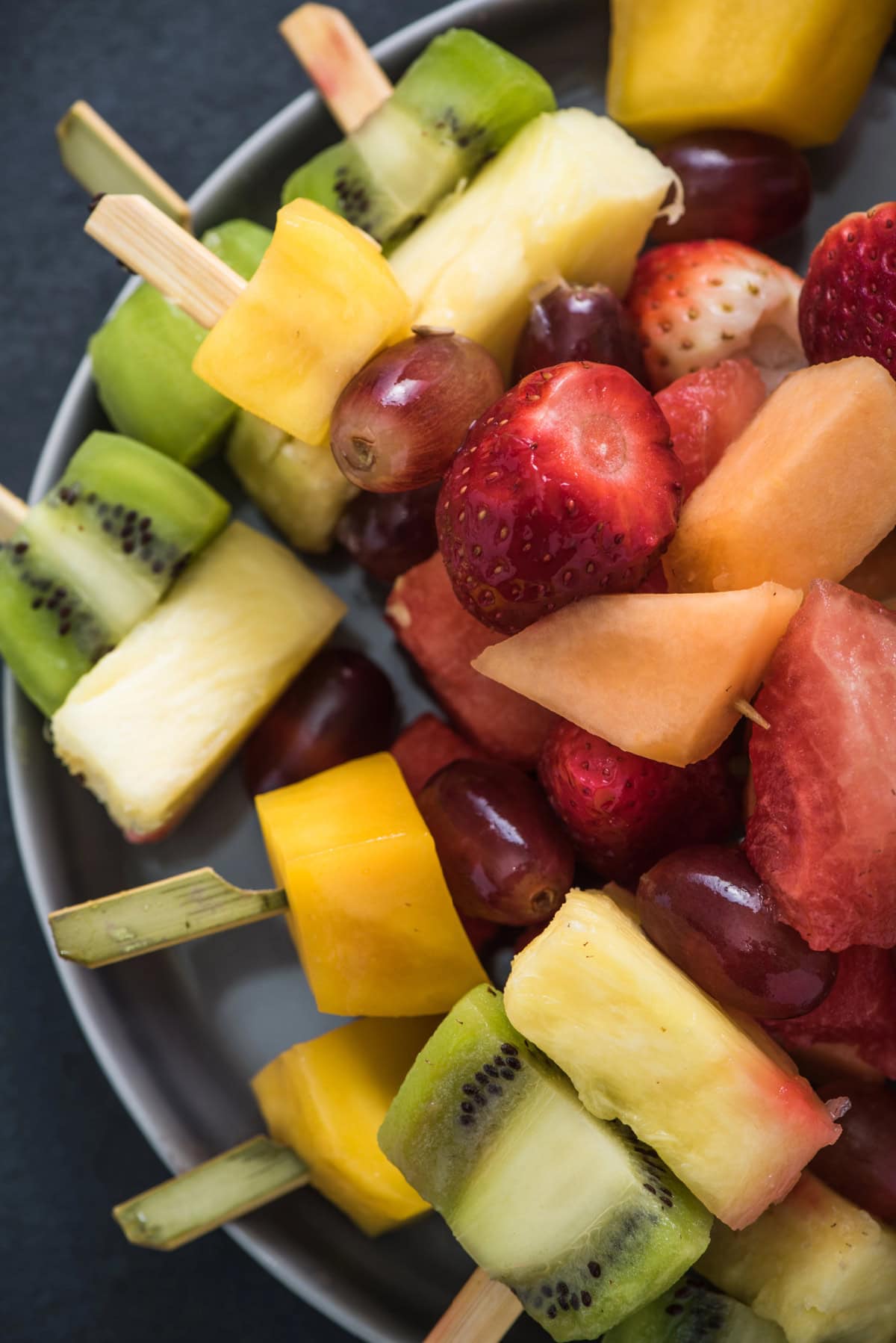
Overview of Visual Organization Methods
Depending on your household layout and daily routine, you can use one or both of these workflows to keep nutritious options visible and accessible.
- The Clear Container Countertop Station: Keeps shelf-stable, high-dopamine healthy options right where visual memory triggers action.
- The “Eye-Level First” Refrigerator Setup: Rearranges traditional fridge zones so fresh produce and high-protein items occupy the primary line of sight.
Step-by-Step Setup Instructions
Follow these steps to transform your kitchen layout into an intuitive, low-effort snacking environment.
Setting Up a Countertop Snack Hub
- Clear a high-traffic section of your counter or lower shelf. Choose a spot near where you or your kids make decisions, such as next to the coffee maker, home desk, or kitchen entry.
- Place open, clear acrylic or wire bins on the surface. Avoid opaque baskets or containers with heavy lids that create friction.
- Decant single-serve healthy snacks into the bins. Group items by texture or flavor (crispy, sweet, salty, chewy) so your brain can match its current sensory craving quickly.
- Attach high-contrast label cards to each bin. Use visual icon stickers or clear text so non-readers or adults who recently completed an adhd test can identify options without decision fatigue.
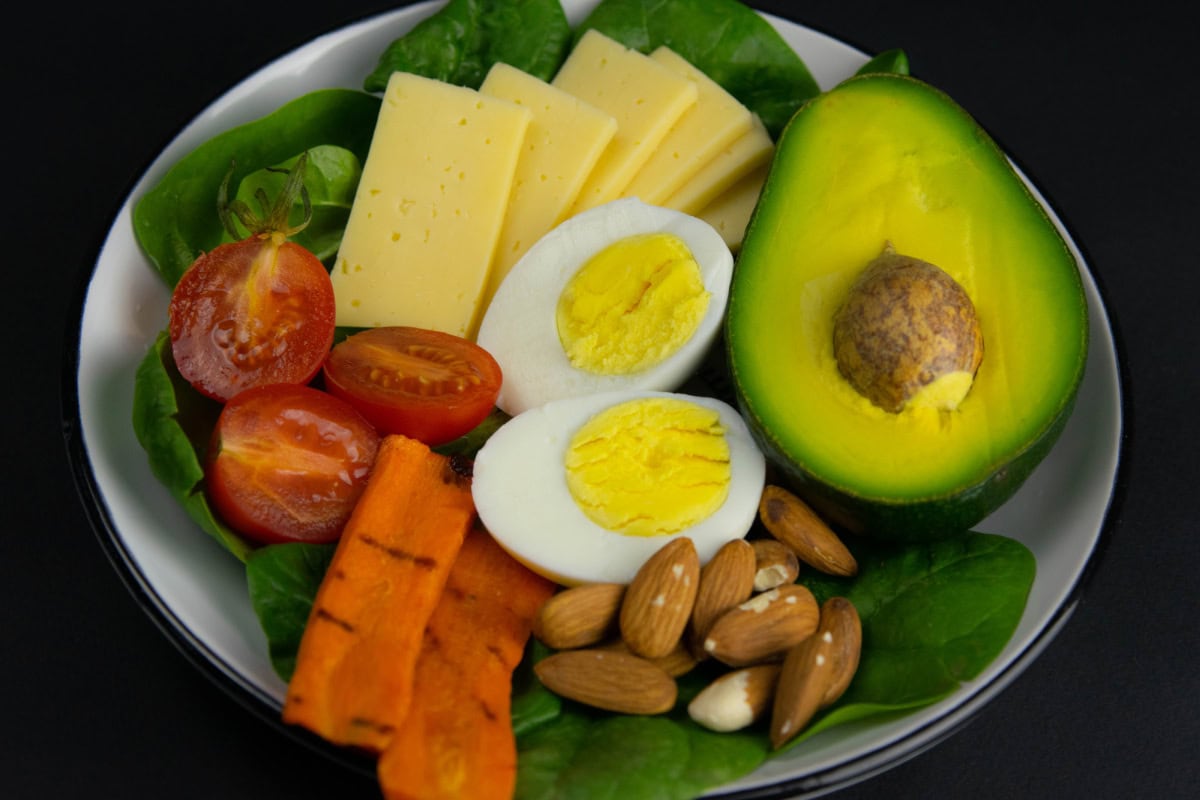
Restructuring Your Refrigerator for Visibility
- Move produce out of the bottom crisper drawers. Place fresh fruits, pre-cut veggies, and yogurt cups directly on the middle shelf at eye level.
- Store condiment bottles in the bottom crisper drawers. Sauces and condiments do not spoil silently out of sight, freeing up prime visual real estate.
- Fill clear turntable lazy susans with high-protein options. Rotate the turntable to view hard-boiled eggs, cheese sticks, and hummus cups without reaching behind items.
- Pre-wash and chop produce immediately after shopping. Store items in transparent, airtight glass containers so color and texture remain visible.
Example A transparent lazy susan on the top fridge shelf loaded with string cheese, turkey roll-ups, and individual guacamole packs allows kids to spin and pick a snack in under 5 seconds.
Practical Examples for Different Needs
- The After-School “Grab-and-Go” Tray: Place a tray on the kitchen island containing apple slices, nut butter packets, and low-sugar granola bars before kids return home.
- The Low-Executive-Function Night Station: Keep a small, clear bin on the counter with shelf-stable protein bars and dried fruit to prevent late-night food-delivery impulse orders.
Tips for Long-Term Success
- Consult expert strategies. Implement tailored guidance from a weight loss dietitian who understands neurodivergent eating patterns and dopamine seeking.
- Keep packaging simple. Remove outer cardboard boxes immediately after grocery trips to remove unnecessary visual barriers.
- Prep in small batches. Prepare only 2 to 3 days worth of fresh produce at a time to prevent food decay and guilt.
- Match sensory cravings. Stock a balance of crunchy, smooth, sweet, and savory options so you satisfy actual sensory feedback needs.
- Use color coding. Group high-dopamine healthy options using bright green or yellow bins to draw natural eye focus.
Conclusion
Redesigning your kitchen layout to fit neurodivergent needs removes friction and makes nourishing choices the path of least resistance. By bringing healthy options to eye level and keeping them open and visual, both kids and adults can satisfy their hunger and sensory cravings quickly without executive overload.
Small changes in visibility build sustainable, lifelong habits that work with your brain rather than against it.

- How to Keep Healthy Snacks Front-and-Center for Neurodivergent Kids and Adults - September 18, 2026
- Privacy Settings and Your Financial Journey - September 18, 2026
- The Power of Proactive Choices for a Better Future - September 18, 2026