Your legs support most of your movement at home and at work. They mirror the state of your circulation, nerves, muscles, and joints. Watching for changes in skin, shape, strength, or comfort helps you notice issues early and plan practical care.
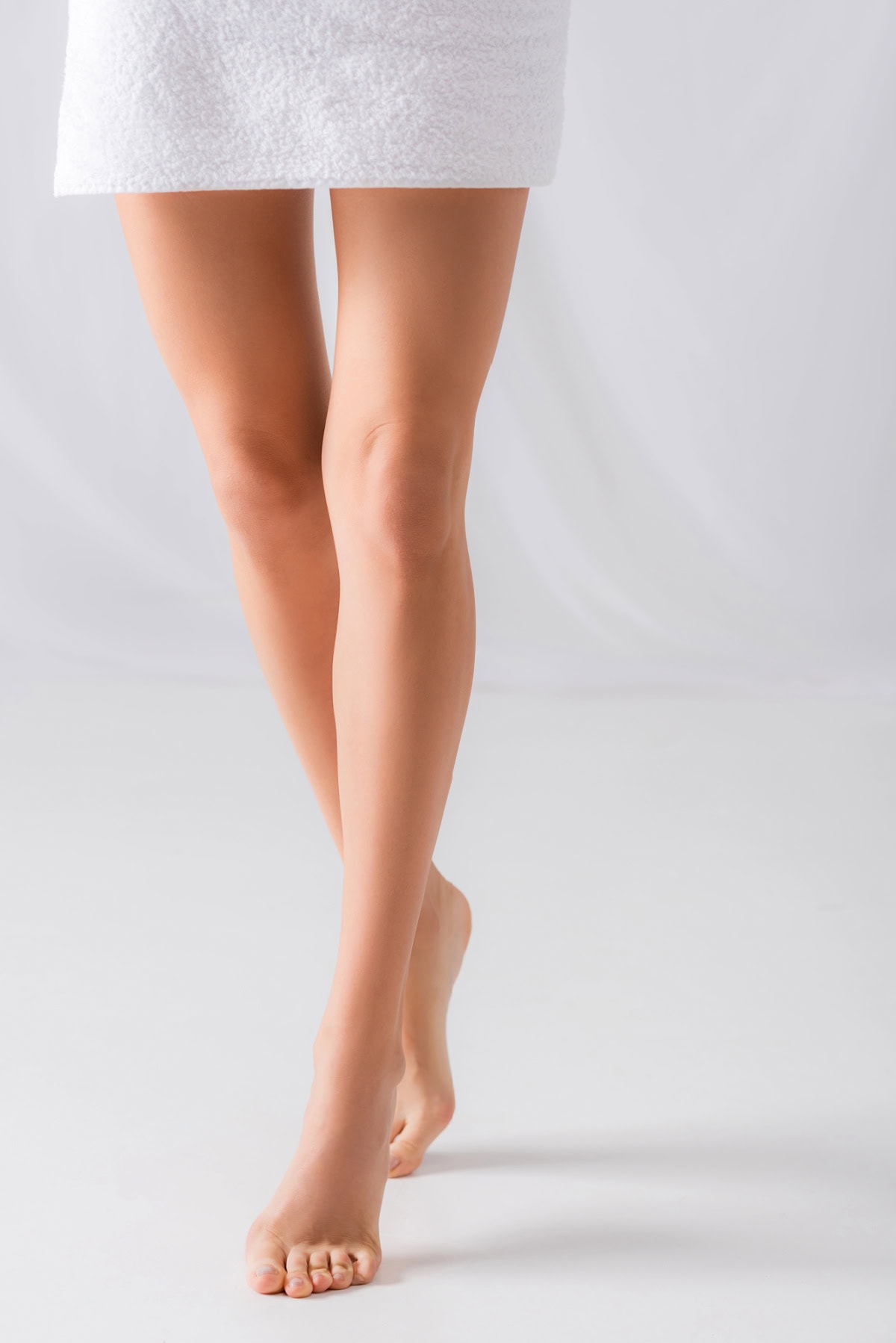
Circulation And Vein Concerns
The health of your legs depends heavily on how well your veins move blood back to your heart. When vein valves or walls weaken, blood can pool, leading to swelling and visible clusters under the skin. Varicose veins, spider veins, deep vein thrombosis, and chronic venous insufficiency may limit how long you stand or sit and can cause heaviness or aching. Management options include compression stockings, regular walking, body weight control, and medicines that reduce clot risk. Many people also benefit from minimally invasive procedures that close or remove damaged veins with relatively short recovery times, which supports more comfortable movement in daily life.
Restless, Painful, or Numb Legs
Many individuals report feeling the need to continuously move their lower extremities at night with crawling, itching, or aching sensations, which are relieved by moving the legs. The condition described as restless leg syndrome affects the quality of sleep for some individuals and has been reported to interfere with concentration the next day.
Others have chronic burning pain or cramping in their lower extremities or numbness due to nerve impingement within the spine or from longstanding diabetes. In assessing this type of complaint, clinicians use blood tests, nerve conduction studies, and a medication history. Treatment options for this type of symptomology may include iron or vitamin supplements, prescription medications, daily stretching exercises, and establishing a consistent sleeping routine.

Lipoedema, Lymphoedema, and Swelling
Not all swelling indicates excessive fluid retention. Lipoedema is an abnormal accumulation of fat in the legs and occasionally the arms. Characteristic signs include the presence of limb columns, a tendency to bruise easily, and slender feet. Lymphoedema occurs when there has been damage to the lymphatic system as a result of surgical intervention or infection, and results in heavy, tight skin with a higher than normal risk of developing infections. Treatment involves evaluation by a specialist; proper fitting of compression stockings and garments, manual lymphatic drainage, low-impact water-based activity, and, in specific circumstances, liposuction or other forms of surgery.
Daily Habits That Help Maintain Healthy Legs
Using everyday small habits will help support the overall health of your legs. Daily exercise of walking or cycling will keep your calf muscles working and assist in the return of blood to your heart. Using a break to stretch your ankles during long meetings or flights will prevent stagnation from developing. Wearing supportive shoes will lower the amount of stress placed on your joint and improve your sense of balance.
Maintaining a stable body weight and not smoking, combined with controlling blood pressure and cholesterol levels, will reduce damage to vessels and promote healthy blood glucose levels. The prevention of leg ulcers may also be supported by taking simple care of your skin using a moisturizer and promptly treating minor cuts or fungal infections.
When to Seek Medical Assistance
If you have noticed one of your legs has become swollen and warm, or if you are aware of open sores that are not healing, you should seek medical assistance immediately. If there is a sudden loss of sensation or strength in either leg, this is considered an emergency. However, if you are experiencing a slow onset of symptoms such as noticeable veins or progressive swelling with increased discomfort at night, then a scheduled consultation with an appropriate specialist or physiotherapist can provide you with answers regarding the possible cause of your symptoms and what options may be available to treat them. Early detection and intervention, along with the development of realistic treatment plans, can help manage many leg-related problems and maintain consistent mobility and participation in daily activities for a number of years.

- Does Liquid IV Work? A Clear Look at Benefits, Ingredients, and When It Makes Sense - July 24, 2026
- A Guide to Assessing and Selling Valuable Possessions - July 20, 2026
- How to Inspect an Inflatable Water Slide Before Each Use - July 20, 2026