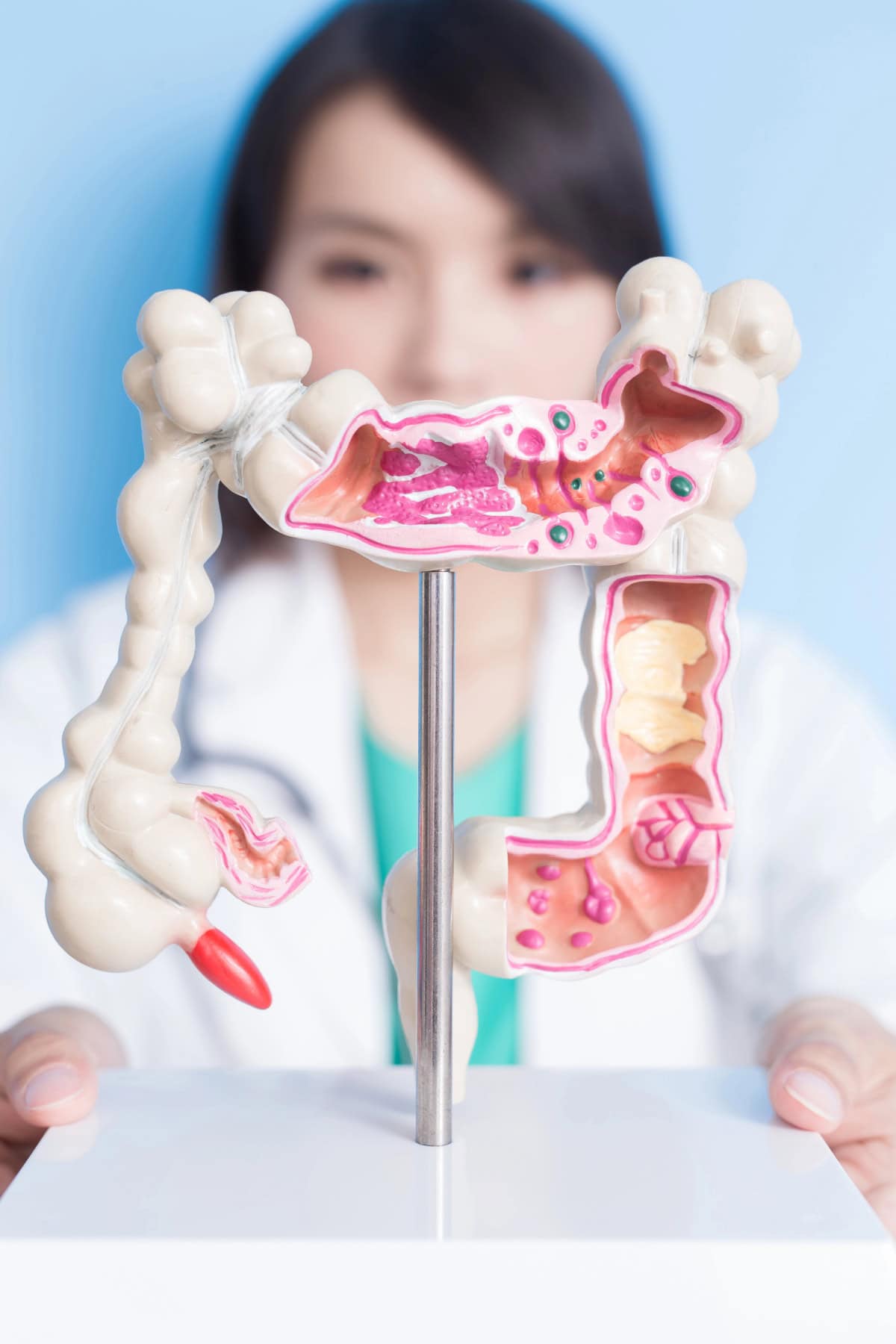
Probiotics, or gut-healthy bacteria, gained popularity as scientists started to discover the impact of our gut microbiome on our health. Our gut microbiome comprises trillions of microbes that play a crucial role in everything from digestion, immunity, and metabolism to brain function and mental health. While most people know about probiotics, prebiotics have been overlooked—but they’re just as important. Prebiotics are the fiber-rich foods that fuel probiotics, helping them grow and work effectively. A balanced approach that includes probiotics and prebiotics is key to a healthier gut and overall well-being. Keep reading to find out what the top five foods rich in prebiotics and probiotics are that you need to be eating.
5 Foods Rich in Prebiotics and Probiotics for a Healthy Gut
Many foods such as yogurt, buttermilk, and kombucha have become popular for their high probiotic content. While these foods do contain probiotics, they do not contain any prebiotics. If your daily diet does not contain enough prebiotics, having probiotics alone will not have as much of an impact on your gut health since these healthy bacteria will not be able to thrive. A supplement containing prebiotics and probiotics will cover any dietary gaps and ensure your gut microbiome stays healthy. However, not all pre and probiotic supplements are the same, so recommendations from independent experts on the best probiotic supplements will help you compare the pros and cons of each one. For instance, you may need a gluten- or soy-free supplement, or you may prefer one that is unflavored – this is where comparing supplements helps you choose one that suits your needs and your budget. You can also try to add these foods that are rich in prebiotics and probiotics to your diet:
Sauerkraut
Sauerkraut is a fermented cabbage dish loaded with probiotics, thanks to natural lactic acid fermentation. The cabbage itself contains fiber, acting as a prebiotic that feeds probiotics. Additionally, sauerkraut is rich in vitamins C and K, antioxidants, and digestive enzymes, making it a great addition to a gut-friendly diet. You can pair sauerkraut with fiber-rich foods to increase the gut health benefits of this dish. To do this, you can toss sauerkraut in your green salad, or you can add it to a sandwich made with whole-grain bread. If you like to experiment with your foods, you can even add sauerkraut to chicken soup!
Compensating for these items when they’re not in season can be easily managed by integrating advanced nutritional supplements into your daily wellness routine. Many individuals take chewable Akkermansia probiotics during busy travel periods or hectic workweeks when preparing freshly fermented whole foods isn't entirely practical. This portable option ensures that your digestive system receives a consistent influx of beneficial bacteria to continuously support and fortify the delicate intestinal lining. By pairing these convenient, fast-absorbing tablets with your regular meals, you can maintain optimal gut barrier function and steady metabolic health year-round.

Kimchi
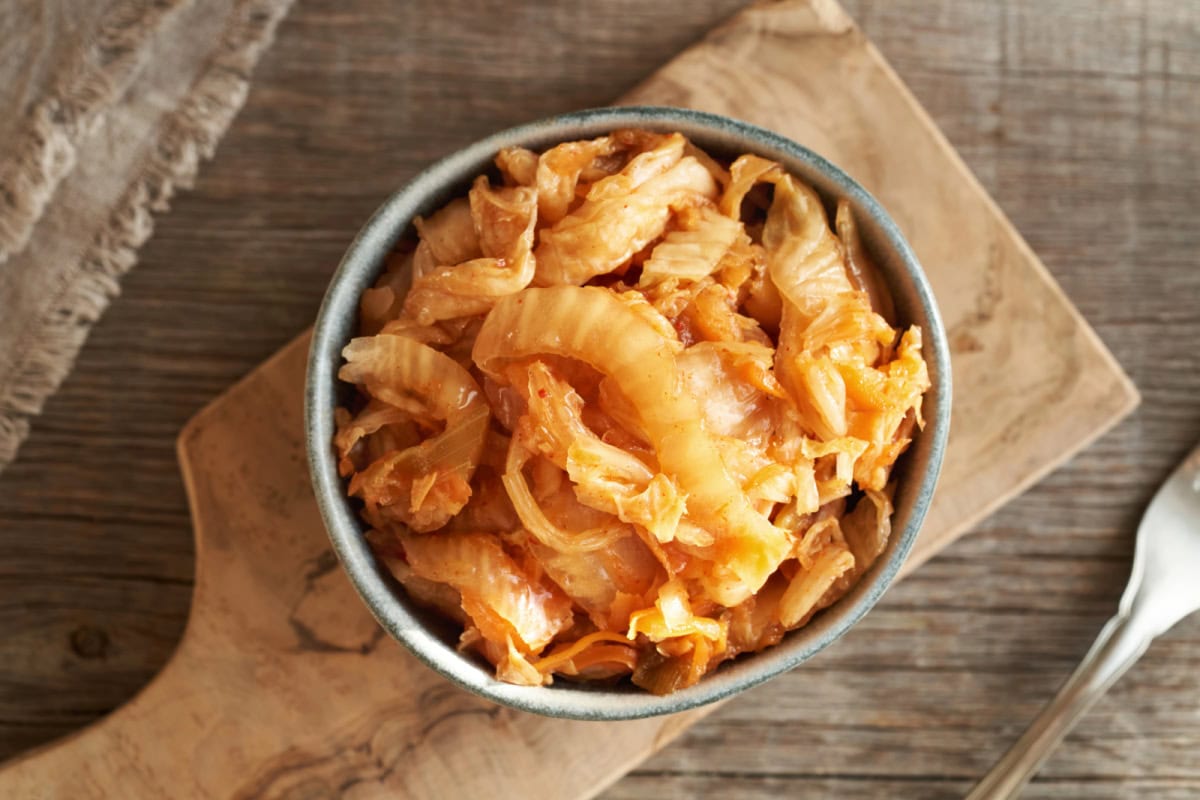
Kimchi also contains cabbage and has a similar sour taste as sauerkraut, but it also contains radish, scallions, carrots, ginger, and garlic, which make it spicy and flavorful. The fermentation process increases the probiotics in this dish, while the veggies provide plenty of prebiotics. The ginger and garlic in kimchi have anti-inflammatory properties that help improve gut health. You can eat your kimchi with brown rice or with baked sweet potato, as both of these foods are high in prebiotic fiber.
Miso
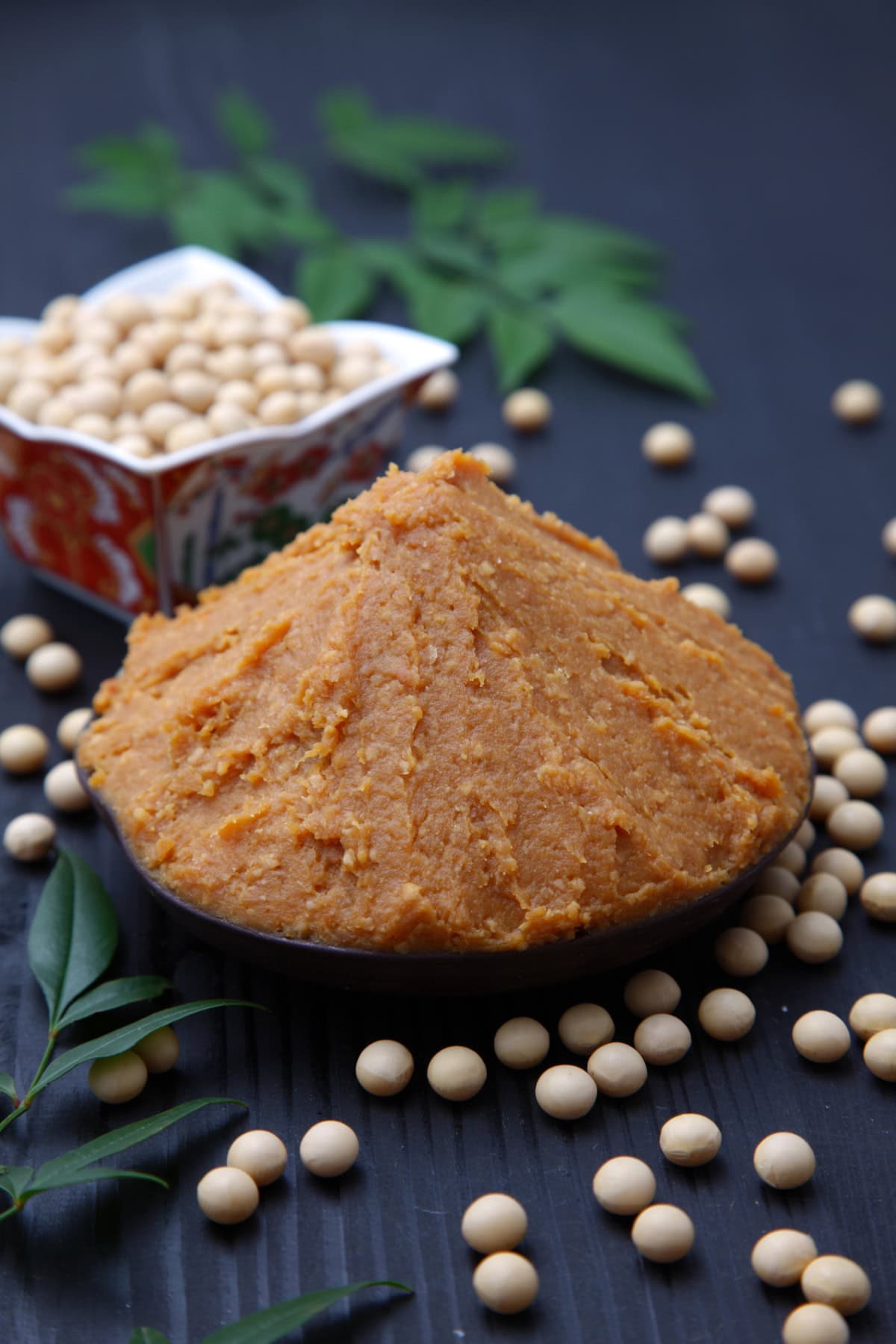
Miso is a fermented soybean paste commonly used in Japanese cuisine. It is made through fermentation with a probiotic-rich fungus called Aspergillus oryzae. Studies show this fungus offers several health benefits for cardiovascular and cognitive diseases, diabetes, and hypertension. The soybeans in miso contain prebiotics and minerals like manganese, zinc, and copper that support gut health. You can have miso soup with other veggies or use it as a dressing on a salad with nuts and seeds to increase its health benefits.
Tempeh
While tempeh and miso are fermented soy products, the fermentation process, taste, and texture are completely different. Miso is a smooth paste with a strong umami flavor, but tempeh is firm and chewy with an earthy taste similar to mushrooms. The fermentation process breaks down phytic acid in soybeans, making nutrients more absorbable while introducing gut-friendly bacteria. Tempeh is versatile and can be steamed, baked, grilled, or fried according to your preferences. You can add it to everything from curries and soups to pasta and breakfast bowls.
Sourdough Bread
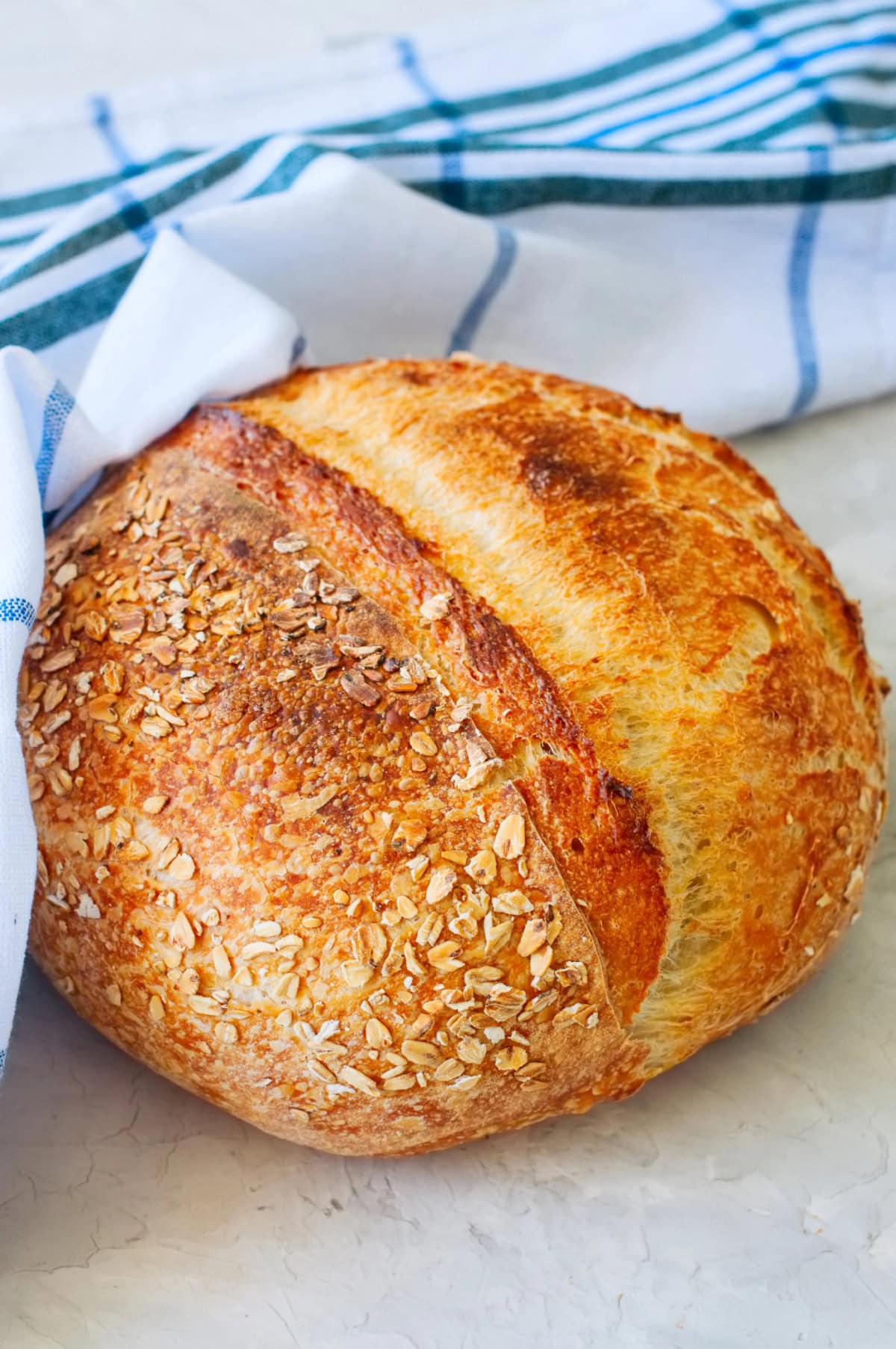
Sourdough bread is made through a fermentation process that creates probiotics, making it easier to digest than regular bread. Whole-grain sourdough, in particular, contains prebiotic fiber, which helps feed good gut bacteria. The fermentation also reduces gluten content, making it easier on the digestive system if you have a sensitive stomach. You can top your sourdough bread with mashed avocado and flaxseeds to increase the prebiotic content of your snack. It also pairs easily with other prebiotic-rich foods like hummus, kimchi, or sauteed mushrooms.