Few condiments stir up as much debate in the kitchen as mustard. You see bottles sitting out on restaurant tables for hours, yet the label on the bottle explicitly instructs you to “refrigerate after opening.” So, what is the actual truth? Does mustard need to be refrigerated, or are we just wasting valuable shelf space in our fridges?
Mustard is naturally highly acidic, making it significantly more shelf-stable than dairy-based or low-acid condiments. While leaving it out on the kitchen counter won’t necessarily create a dangerous food safety hazard overnight, keeping it cold is the key to preserving its texture, longevity, and flavor. If you want to preserve that sharp, nasal-clearing punch and vibrant color, refrigeration acts like a pause button for your favorite condiments.
Whether you are a home cook trying to clean out a cluttered pantry or a professional restaurant kitchen manager looking to comply with local health codes, here is an exhaustive, step-by-step breakdown of how to store every type of mustard properly, how long they last, and how to spot the signs of spoilage.
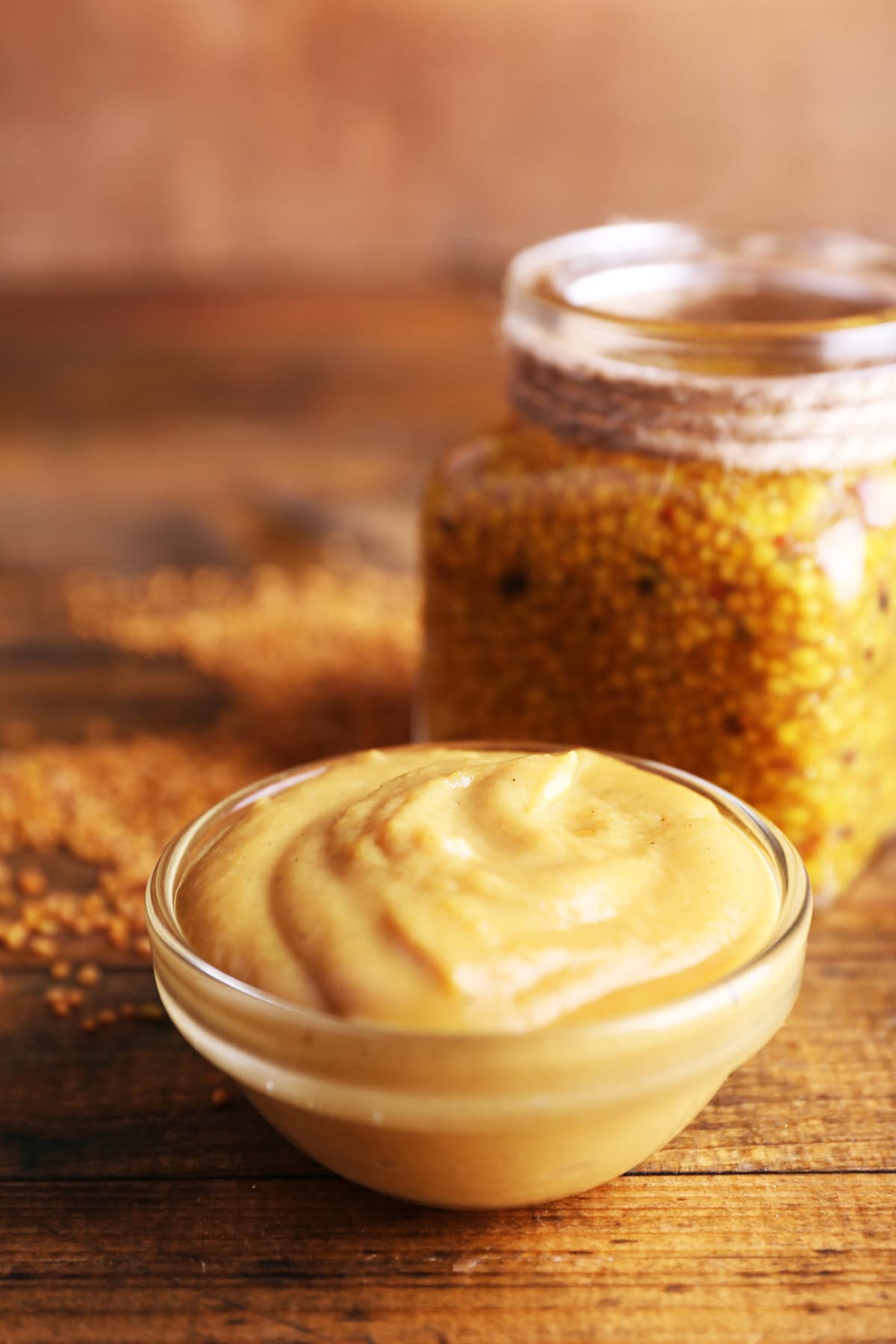
Does Mustard Need to Be Refrigerated?
- Unopened mustard is perfectly fine stored at room temperature in a cool, dry pantry.
- Opened mustard does not strictly require refrigeration for basic food safety, but it is highly recommended to maintain its quality, texture, and flavor.
There is a fundamental difference between food safety and food quality. Unrefrigerated, opened mustard won’t automatically breed dangerous bacteria, but its quality will rapidly decline. Within a month or two at room temperature, it will lose its signature kick, dry out, and darken in color. Kept in the fridge, it stays fresh for up to a year. Therefore, while it won’t necessarily make you sick if left out, keeping it cold ensures it actually tastes good.
Why Mustard Lasts So Long
Mustard is inherently hostile to micro-organisms. It thrives on the counter longer than most foods because of its unique chemical composition, which includes:
- High Vinegar Content: Most commercial mustards use distilled white vinegar or wine vinegar as a primary liquid base. Vinegar is an incredibly effective natural preservative.
- Low pH Levels: The high volume of vinegar creates a highly acidic environment. Most dangerous foodborne pathogens and bacteria cannot survive, let alone reproduce, in environments with a low pH.
- Natural Antimicrobial Properties: Mustard seeds themselves contain natural compounds (like glucosinolates) that release antimicrobial oils when cracked. Combined with salt and select spices, these ingredients naturally inhibit bacterial growth.
- Commercial Processing: Factory sealing and pasteurization prevent early contamination before you even break the safety seal on the lid.
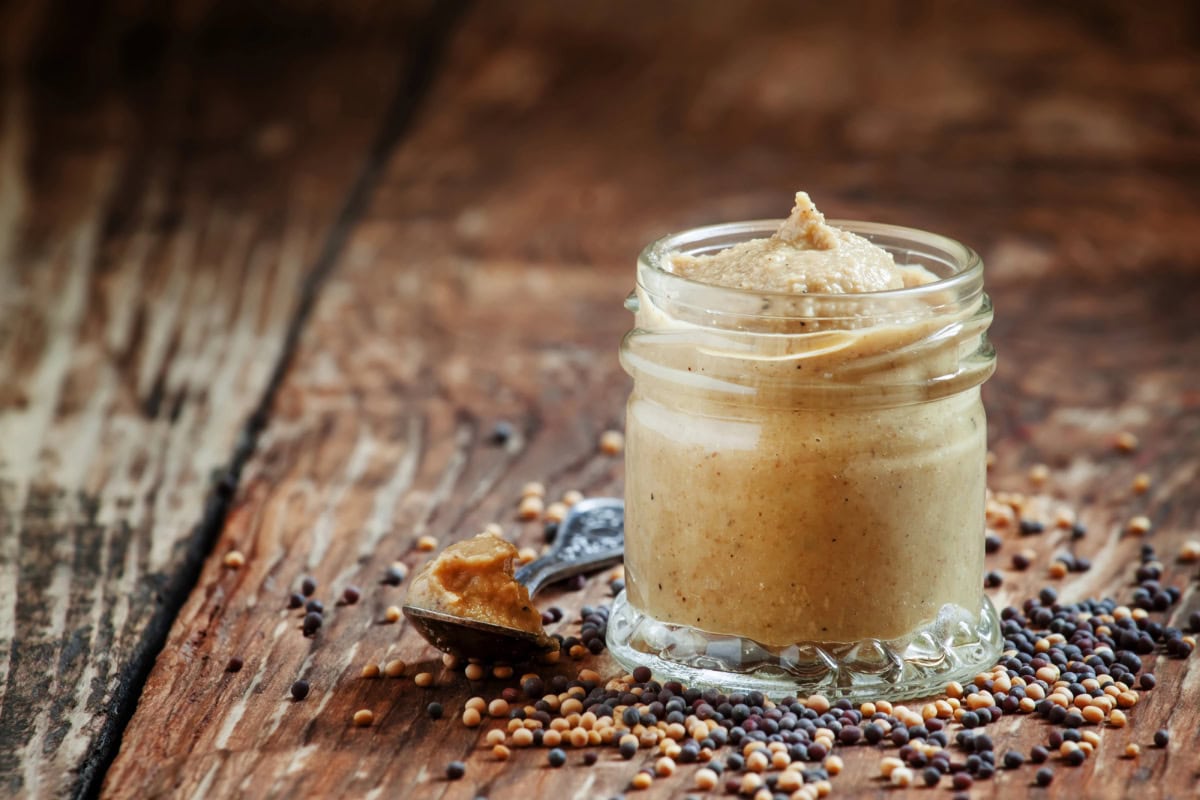
Should Different Types of Mustard Be Refrigerated?
Not all mustards are created equal. Different formulations, ingredients, and preparation styles change how stable a mustard remains at room temperature. Let’s look at how the rules apply across various popular types:
Yellow Mustard
Classic American yellow mustard is the most shelf-stable of the bunch. Made primarily of ground yellow mustard seeds, vinegar, water, salt, and turmeric, it has nothing in it that easily spoils. You can keep it in the pantry before opening and even leave it out for a few weeks after opening if you use it quickly. However, keeping it cold guarantees it stays a vibrant yellow and retains its tangy flavor for up to a full year.
Dijon Mustard
Dijon mustard utilizes white wine or tart verjus (unripened grape juice) instead of standard distilled vinegar. Because these ingredients have a more delicate, complex flavor profile, Dijon is much more sensitive to environmental changes and heat. Refrigerating it after opening is highly recommended to preserve its distinctively sharp, sophisticated bite. If left in a warm pantry, it will quickly taste flat and oxidized.
Whole Grain Mustard
Because whole grain mustard contains visible, coarsely ground mustard seeds, its texture is a massive part of its culinary appeal. Leaving it out causes the liquid to evaporate faster, meaning the seeds dry out and become unpleasantly gritty. Refrigeration keeps the liquid intact and the seeds plump and flavorful.
Honey Mustard
Honey mustard blends the acidic base of mustard with sweet honey, and many commercial or restaurant versions add mayonnaise or dairy ingredients to give it a creamy texture. Because of these low-acid, sugar-rich additions, honey mustard must always be refrigerated after opening. It has a significantly shorter shelf life than standard yellow or brown mustard and can spoil in a way that causes foodborne illness if left warm.
Spicy Brown Mustard
Similar to Dijon, spicy brown mustard relies on its bold, punchy aromatics. Room temperature storage causes the heat-giving compounds to oxidize and fade, turning your spicy brown mustard into a dull, mild paste. Keep it cold to retain that signature deli-style kick.
Homemade Mustard
Unlike commercial brands, homemade mustard lacks precise industrial processing, vacuum sealing, and standardized acidity metrics. Because it contains no commercial preservatives and is exposed to kitchen air and utensils during preparation, homemade mustard must be kept in the refrigerator at all times and used within a few weeks.
How Long Does Mustard Last?
To keep your kitchen organized, it helps to understand the realistic timeline of mustard storage. Refer to this convenient timeline table for standard storage limits:
| Mustard Type | Pantry (Unopened) | Pantry (Opened) | Refrigerator (Opened) |
| Yellow / Spicy Brown | 1–2 Years | 1–2 Months | 1 Year |
| Dijon / Whole Grain | 1 Year | 1 Month | 1 Year |
| Honey / Creamy blends | 1 Year | Not Recommended | 4–6 Months |
| Homemade | N/A (Do not store) | Do not store | 2–3 Weeks |
Does Mustard Expire?
It is important to note that the date stamped on your mustard bottle is usually a “best-by,” “best before,” or “best if used by” date, rather than a strict expiration date. If an unopened bottle is a few months past this date, it is still completely safe to consume—it just might have a slightly muted flavor.
Can Mustard Be Left Out?
Overnight
If you forget to put the mustard bottle away after making a midnight sandwich, don’t panic. Because of its low pH, it is completely safe to consume the next day. Simply wipe down any excess dried mustard around the nozzle, snap the lid shut, and return it to the refrigerator.
During Meals or BBQs
Mustard is perfectly safe sitting out on a picnic table or a backyard BBQ buffet line for several hours. However, try to avoid letting the bottle sit in direct, intense sunlight, as ultraviolet rays and high heat break down the color and flavor compounds rapidly, making the condiment look unappealing.
Hot Weather Considerations
If you operate a commercial food business, a food truck, or host frequent outdoor summer events, keep in mind that temperatures above 90°F (32°C) accelerate oil separation and flavor loss. Keep squeeze bottles shaded or resting in an ice bath during long outdoor services to protect the quality.
Signs Your Mustard Has Gone Bad
While mustard rarely rots or grows dangerous pathogens due to its acidity, it can absolutely spoil in quality. Look out for these key signs that it’s time to throw the bottle away and buy a replacement:
- Changes in Color: Turning from a bright, vivid yellow or deep brown to a dark, muddy, or grayish hue. This is a sign of severe oxidation.
- Off Odors: A sour, rancid, or fermented smell that deviates from the clean, sharp scent of vinegar and mustard. If it smells funky, throw it out.
- Mold Growth: While rare, visible mold around the plastic rim or inside the lid means the jar has been contaminated by outside food particles (like bread crumbs) and must be discarded immediately.
- Texture Changes: Heavy separation where a hard, dry plug of mustard sits under a layer of watery liquid is normal to a degree (just shake it!), but if it remains dry, cracked, or unusually thick after shaking, it has dried out past the point of recovery.
- Flavor Loss: If it tastes flat, stale, or completely lacks that classic spicy kick, it is safe to eat but won’t do your sandwiches any favors.
Best Practices for Storing Mustard
To maximize the life of your mustard collection and prevent unnecessary food waste, practice these simple habits:
- Keep the Lid Tightly Closed: Air is the enemy of flavor. Securing the cap tightly prevents oxidation and moisture loss.
- Store Away from Heat: Keep unopened jars in a dark pantry away from warm appliances like the oven, dishwasher, or sunny windows.
- Refrigerate Directly After Opening: This remains the gold standard for maintaining the original texture, punch, and color of the brand.
- Use Clean Utensils: Never double-dip a dirty knife or spoon directly into a mustard jar. Introducing bread crumbs, meat juices, or old mayonnaise introduces bacteria that can bypass the mustard’s natural chemical defenses.
Can You Freeze Mustard?
Freezing mustard is not recommended. While it won’t make it unsafe, freezing breaks down the emulsion between the vinegar, water, and mustard solids. When thawed, the mustard will become watery, highly separated, and permanently grainy. Instead of freezing bulk amounts, buy smaller containers that match your actual consumption rate.
The Commercial Kitchen Standard
While home cooks can get away with keeping a single bottle of yellow mustard in the cabinet, commercial food service operations face a much stricter set of rules. Under most local health department codes, inspectors require commercial kitchens to follow the manufacturer’s label instructions explicitly. If a premium brand of Dijon, spicy brown, or honey mustard states “Refrigerate After Opening,” leaving it out on a warm prep line can result in a costly health code violation.
For high-volume restaurants, sandwich shops, delicatessens, and catering halls, keeping hundreds of custom sauces, house-made aiolis, and premium mustards perfectly chilled requires heavy-duty, dependable infrastructure.
Investing in a UL-certified commercial setup like WILPREP guarantees your inventory stays fresh, your kitchen remains compliant with safety standards, and your signature sauces never lose their punch.
Frequently Asked Questions
Does ketchup need refrigeration while mustard doesn’t?
Both ketchup and mustard are high-acid condiments that are technically shelf-stable due to their vinegar content. However, like mustard, ketchup maintains its bright red color and fresh taste far longer when kept in the refrigerator. Unrefrigerated ketchup turns a dark, unappealing brown rather quickly.
Can expired mustard make you sick?
It is highly unlikely. Old commercial mustard usually just loses its flavor and dries out rather than growing dangerous pathogens. However, if it has been cross-contaminated by dirty utensils or contains dairy (like a creamy honey mustard blend) and was left out in warm temperatures, it could potentially cause foodborne illness.
Is it safe to eat mustard that has separated?
Yes, it is completely safe. Liquid separation is a completely natural physical process where the liquid vinegar separates from the dense mustard solids over time. Simply give the bottle a vigorous shake or stir the jar thoroughly with a clean spoon to restore the smooth, uniform texture.
Why does mustard lose its spicy flavor over time?
The heat in mustard comes from volatile compounds that react chemically when the seeds are cracked and mixed with cold liquid. These compounds break down and evaporate when exposed to oxygen and warmth. Refrigeration slows down this chemical breakdown, locking the heat in place.
How can you tell if homemade mustard has spoiled?
Because it lacks artificial preservatives and commercial pasteurization, look for bubbling or swelling in the container (signs of active, unwanted fermentation), a distinctly sour, yeasty, or alcoholic smell, or any visible spots of mold. If you notice any of these, discard it immediately.
Conclusion
At the end of the day, leaving a standard bottle of yellow mustard in your pantry won’t turn it into a biological hazard, but treating it to a little cold storage goes a long way. Keeping your mustard tightly sealed and refrigerated preserves that sharp, bold flavor and perfect texture for as long as possible. Take care of your condiments, choose reliable cooling solutions like Wilprep for your kitchen needs, and enjoy the perfect tang on every sandwich!

- Is Your Antique Dining Table or China Cabinet Worth More Than You Think? - October 16, 2026
- Easy Low-Carb Food Swaps for Everyday Family Meals - October 16, 2026
- Keep the Family Scrapbook, Make a Separate Photo for Sharing - October 16, 2026