Leg discomfort is often blamed on age, work, or exercise, yet recurring symptoms can point to poor vein circulation. When leg veins struggle to move blood upward, pressure builds, changing how the legs look and feel. That pattern may suggest chronic venous insufficiency, varicose veins, or spider veins. Knowing which signs deserve attention can help people seek answers sooner and avoid letting a manageable vein problem grow worse over time.
Heaviness That Lingers
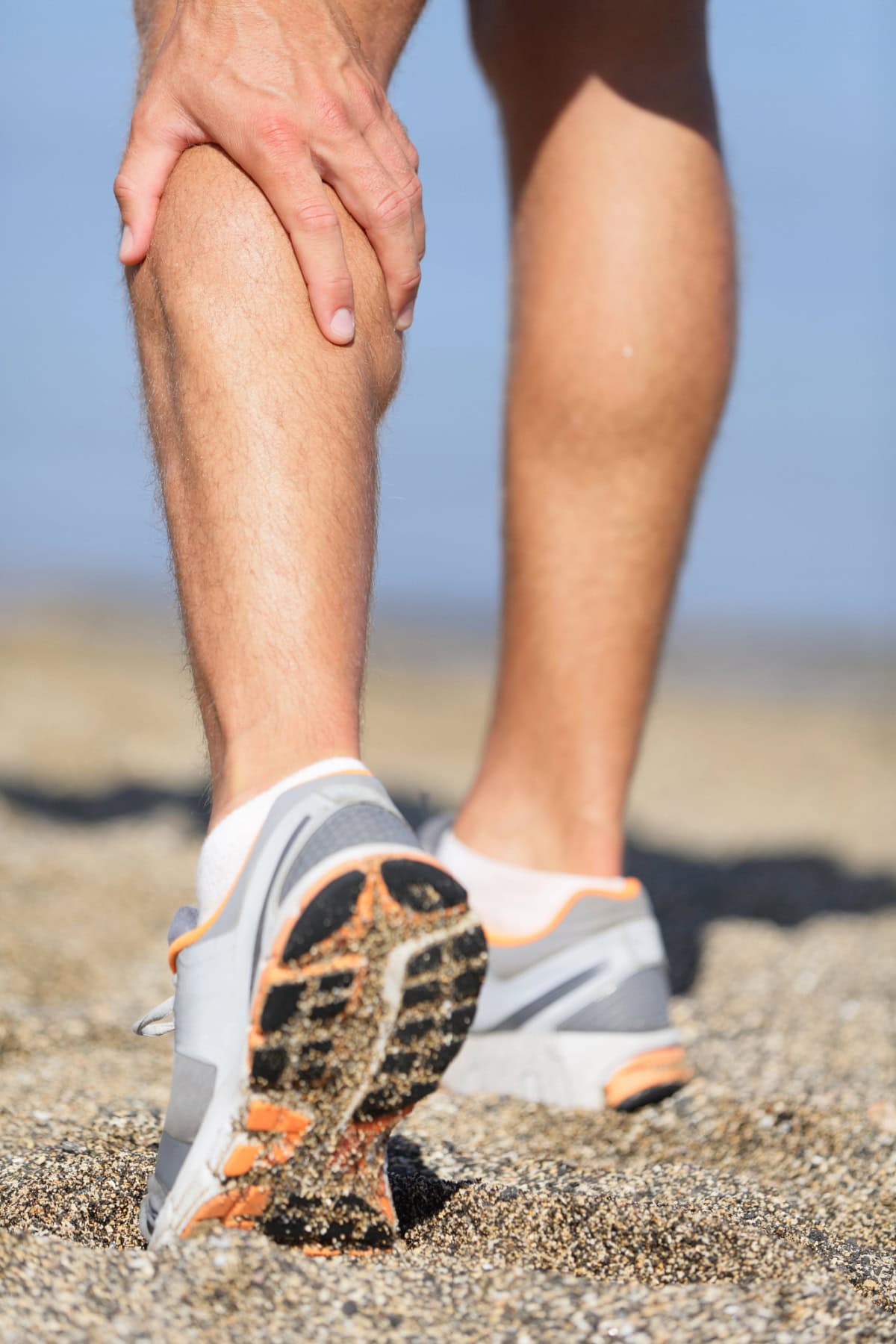
A persistent heavy feeling in the legs can be an early clue that blood is pooling instead of moving well. Many people notice it late in the day or after long periods of sitting or standing. Resources from Metro Vein explain that vein disease often shows up through daily leg symptoms, rather than a single dramatic event. That makes steady heaviness worth tracking, especially when it keeps returning.
Aching After Standing
Leg aching that worsens after standing for hours can reflect rising pressure inside weakened veins. The discomfort may ease with walking, elevation, or rest, then return the next day. This pattern matters because muscle fatigue usually improves after recovery, while circulation-related aching tends to repeat under the same conditions and may slowly become more frequent.
Swelling Below the Knee
Lower leg swelling can have several causes, though vein circulation issues are a common one. When valves weaken, fluid may collect in nearby tissue, creating a tight, puffy feeling. Swelling that appears by evening and improves overnight can fit this pattern. If one leg suddenly swells with pain, prompt medical evaluation is important to rule out a dangerous clot.
Visible Varicose Veins
Bulging, twisted surface veins are easy to dismiss as cosmetic, but they can signal deeper circulation trouble in the legs. Varicose veins form when pressure stretches vein walls and damages normal valve function. Some people have few symptoms at first. Others report aching, throbbing, or pressure near the visible veins, especially after long days standing.
Clusters of Spider Veins
Spider veins are smaller than varicose veins, yet they can still appear with underlying vein dysfunction. Fine red, blue, or purple lines on the legs may develop as pressure changes affect tiny surface vessels. While some cases stay mild, others arrive with burning, itching, or heaviness. Their presence can be a reason to check whether a larger circulation issue is also present.
Cramping at Night
Nighttime leg cramping can stem from many causes, including overuse or dehydration, though vein problems may also play a part. Poor circulation can leave legs feeling tight and restless after activity ends. When cramps show up alongside heaviness, swelling, or visible veins, the full group of symptoms becomes more meaningful than any single complaint on its own.
Itching or Tingling
Unusual skin sensations in the legs can reflect pressure changes linked with unhealthy veins. Some people describe itching near visible veins. Others notice tingling, warmth, or irritation without a clear rash or injury. Those symptoms may seem minor, yet they can point to ongoing strain in the circulation system and deserve a closer look when they persist.
Skin Changes
As vein disease progresses, the skin on the lower legs may start to change. Areas can look darker, feel drier, or become more easily irritated. That happens because long-term pressure affects nearby tissue and skin health. Changes like these should not be ignored, since they may signal that circulation problems have been present for longer than expected.
Symptoms During Travel
Travel can make hidden vein issues easier to notice. Long car rides and flights reduce leg muscle movement, which helps blood return upward. People with early vein disease may feel more swelling, aching, or heaviness after hours of limited motion. Pregnancy, aging, and jobs that involve prolonged standing can create similar strain and may worsen symptoms over time.
When Evaluation Makes Sense
Repeated symptoms deserve attention when they interfere with daily comfort or keep coming back. A vein specialist can evaluate the legs, review visible signs, and use an ultrasound to check circulation. That assessment can also help rule out deep vein thrombosis when symptoms raise concern. If doctors find vein disease, minimally invasive treatments may help reduce pain, swelling, and pressure.
Conclusion
Leg symptoms often develop gradually, which makes them easy to brush aside until they start affecting sleep, work, or movement. Heaviness, aching, swelling, visible veins, cramping, and skin changes can all suggest that circulation in the leg veins is under strain. Paying attention to those patterns helps people act earlier, ask better questions, and explore treatments before vein disease has more time to progress.