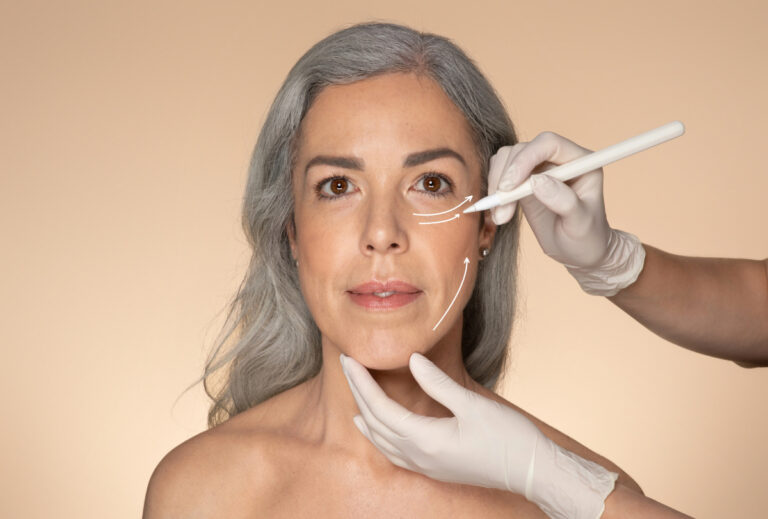
Injectables, laser treatments, skin care routines, and energy-based devices all have a place in maintaining a youthful appearance, and for many people, they’re enough for years. But there comes a point where those treatments stop delivering meaningful improvement, or where the changes they’re trying to address are structural rather than surface-level. That’s when the conversation about facial plastic surgery starts to make more practical sense.
In a place like West Palm Beach with significant sun exposure, the plastic surgery conversation happens more often and at a more informed level than it did a decade ago. Here are five situations where plastic surgery becomes a more logical choice than continuing with non-surgical alternatives.

1. Non-Surgical Treatments Have Stopped Producing Results
There’s a ceiling to what injectables and energy-based treatments can achieve, and most patients reach it gradually without fully recognizing what’s happening. Filler can restore volume, but it can’t lift and reposition tissue that has descended due to ligament laxity. Botox can relax muscle activity, but it can’t address excess skin. Laser treatments improve texture and tone, but they don’t restructure the underlying anatomy. When patients find themselves needing more product at shorter intervals with diminishing returns, that’s usually a signal that the issue has moved beyond what non-surgical treatments are designed to fix.
The shift doesn’t happen overnight. It’s gradual, and it often takes an honest conversation with a qualified surgeon to recognize that what a patient is chasing with repeated non-surgical sessions could be addressed more effectively and more durably with a single surgical procedure.
2. The Changes Are Structural, Not Just Surface-Level
This is probably the clearest indicator that surgery is the right conversation to be having. Drooping upper eyelids, descended brow position, jowls that have developed along the jawline, deep nasolabial folds caused by tissue descent rather than volume loss, these are structural changes that happen in the deeper layers of the face, not at the skin surface. Treating them with surface-level interventions produces surface-level results at best.
For those who wish to explore facial plastic surgery West Palm Beach, it’s worth understanding how subspecialty practices approach treatment planning compared to general aesthetics clinics. The face is unique, with peculiar muscles and dynamic lines, which needs to be addressed during planning. In subspecialty practices like Oculoplastic & Orbital Consultants, there is significant focus on the periocular region and the structural changes around the eyes and orbit, which allows for a level of anatomical precision that a generalist approach may be unable to replicate.
When the concern is structural, the provider’s depth of expertise in that specific anatomy impacts the quality of the outcome.
3. The Concern Is Affecting Function, Not Just Appearance
Some facial changes that look cosmetic are actually functional. Upper eyelid hooding that obstructs peripheral vision is the most common example. Drooping brows that cause chronic forehead tension and headaches as the muscles compensate are another. In these cases, surgery isn’t just the aesthetic option. It’s the medically appropriate one, and in some situations, it may be partially covered by insurance when functional impairment can be documented.
Functional blepharoplasty produces significant and sustained improvements in both visual field and patient quality of life, with high satisfaction rates at long-term follow-up, according to a 2024 study published on PubMed. For patients in this category, the decision to pursue surgery isn’t purely cosmetic. It’s about restoring something that directly affects daily life.
4. The Patient Has Reached a Stable Point in Their Life
Timing matters in facial plastic surgery, not just medically but personally. Patients who pursue surgery during periods of significant stress, major life transitions, or while working through emotional difficulties tend to have more complicated relationships with their results than those who made the decision from a stable, settled place. This isn’t about being in perfect circumstances. It’s about being in a headspace where the decision is genuinely about what the patient wants for themselves, rather than a response to external pressure or a difficult moment.
The best surgical outcomes tend to involve patients who have thought carefully about what they’re hoping to change, have realistic expectations about what surgery can and can’t do, and are motivated by their own sense of how they want to look rather than someone else’s opinion.
5. The Value of Long-Term Results
This is a practical consideration that doesn’t get enough attention. Regular non-surgical maintenance, filler every six to twelve months, Botox every three to four months, periodic laser sessions, all add up to a high annual cost that continues indefinitely. A surgical procedure carries a higher upfront cost but produces a result that lasts years rather than months. For patients who have been maintaining a non-surgical anti-aging regimen for years, doing an honest cost comparison between continued maintenance and a surgical solution often shifts the financial picture considerably.
The Key Takeaway
Facial plastic surgery isn’t the right answer for everyone, and it doesn’t need to be. Non-surgical treatments have their place and serve a large portion of patients well for many years. But when structural changes have progressed beyond what surface treatments can address, or when the ongoing cost of maintenance no longer makes practical sense relative to a more durable surgical solution, the case for surgery becomes less about preference and more about logic.
The best time to have that conversation is before it becomes urgent, not after years of diminishing returns.

- The Grab-and-Go Court Routine Every Pickleball Family Needs - September 28, 2026
- 5 Simple Ways Families Can Save Money on Dental Care - September 28, 2026
- Coconut Acai Base: Cozy Weekend Breakfast Ideas - September 26, 2026