If you have been noticing uneven skin tone, early signs of sun damage, or the general dullness that starts to creep in during your 30s and 40s and have been looking for solutions, you have probably come across Moxi in your research. It sits in a category of laser treatments that most people find surprisingly manageable, largely because it was designed for regular maintenance rather than dramatic correction.
Here in Boston, we’ve seen a steady rise in people choosing it precisely because it fits into a real schedule without requiring significant recovery time. But, as with any laser treatment, knowing what to expect at each stage makes the whole experience significantly less daunting.
Here is an honest breakdown of the process from start to finish.

Before Your Appointment: What Preparation Actually Involves
Moxi is a non-ablative fractionated laser, which means it delivers controlled energy beneath the skin’s surface without removing the outer layer. That gentleness is part of its appeal, but it does not mean you can walk in unprepared. There are a few things your provider will likely ask you to do in the days leading up to your session.
Avoid retinoids and exfoliating acids for about a week before treatment, as these can make the skin more reactive to laser energy. Stay out of direct sun as much as possible and do not arrive with a fresh tan, including spray tan, since increased melanin in the skin affects how the laser interacts with it. Come to your appointment with clean skin and no makeup. Most providers also recommend avoiding blood-thinning supplements like fish oil or vitamin E for a few days beforehand to minimize bruising risk.
When booking Moxi laser in Boston, the preparation guidance you receive before your session is a good indicator of how thoroughly the practice approaches treatment. In certain medspas like Demma Aesthetics, providers go through a customized pre-treatment checklist based on your skin type and history before confirming your appointment, which reduces the chance of any avoidable reactions. A thorough intake process can help minimize the risk of applying the wrong treatment for the wrong patient.
During the Treatment: What It Actually Feels Like
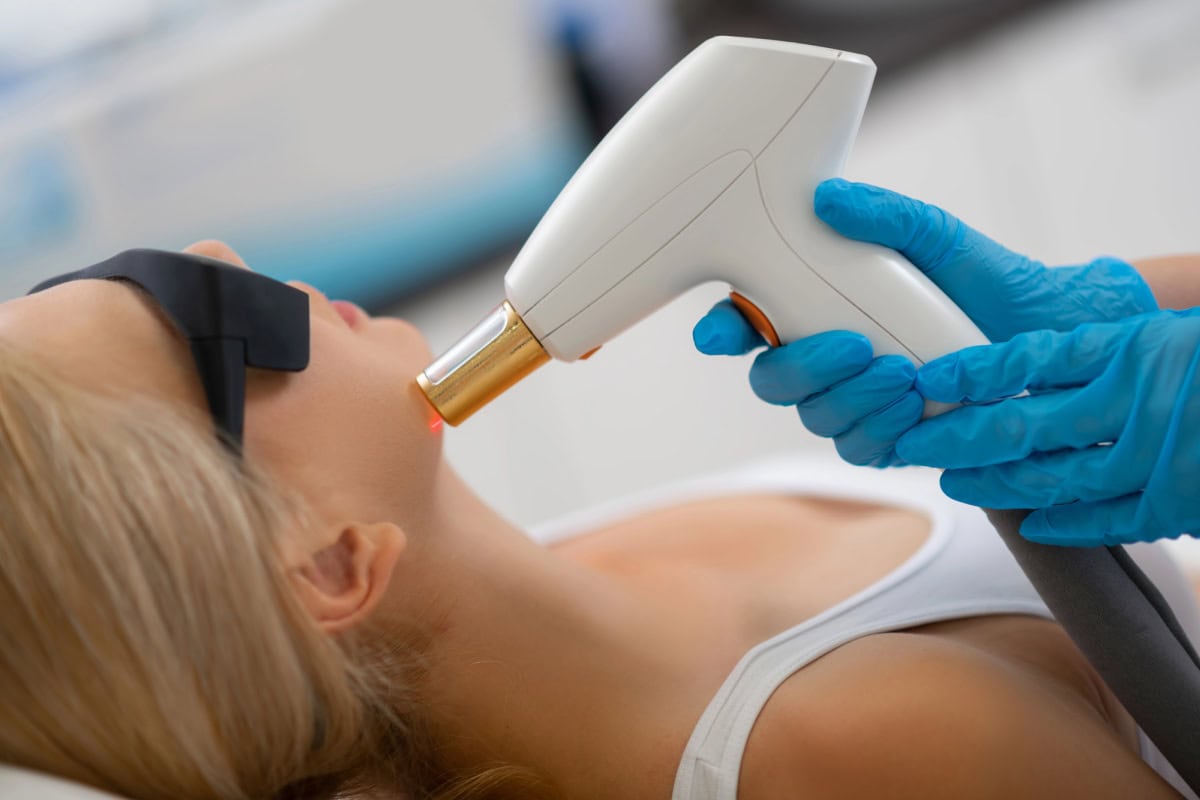
The Moxi laser session itself typically takes 20 to 30 minutes for the face, sometimes a little longer if the neck or chest is included. Your provider will apply a topical numbing cream beforehand and give it time to take effect, usually around 30 to 45 minutes, before the laser begins. This makes a meaningful difference in comfort during the procedure.
The sensation during treatment is often described as a series of small, warm pricks moving across the skin. It is not painless, but most people find it very manageable, particularly with the numbing cream in place. Some areas, like around the nose or forehead, can feel slightly more intense than the cheeks. The device moves quickly and systematically across the treatment zone, and most patients say the experience goes faster than they expected.
Immediately after the laser, your skin will look and feel like a moderate sunburn. Redness and warmth are normal and typically peak within the first hour before gradually settling. Your provider will apply a soothing serum or balm before you leave to support the initial healing response.
The Days After: What Recovery Actually Looks Like
This is where Moxi differs most noticeably from more aggressive resurfacing treatments. Most people are back to their normal activities the same day or the following morning, though the skin will continue to look pink and feel sensitive for two to three days. Makeup can usually be applied after 24 hours if needed, though going bare for the first day or two supports faster healing.
Around days 2 through 4, many patients notice what is called MENDs, microscopic epidermal necrotic debris, which looks like a faint bronzing or sandpaper texture on the skin as the treated cells make their way to the surface. This is the treatment working as intended and resolves quickly as the skin sheds and renews. It is not painful and is easily mistaken for dryness.
A clinical evaluation of nonablative fractional laser treatment published in Aesthetic Surgery Journal Open found statistically significant patient-reported improvements across all 12 domains assessed, including clarity, smoothness, radiance, and overall satisfaction, with transient redness and swelling resolving within 48 hours across all patients.
Sunscreen is non-negotiable for at least two weeks after treatment. Freshly treated skin is significantly more vulnerable to UV damage, and skipping SPF can trigger the exact pigmentation issues you were trying to correct.
Results: What to Realistically Expect and When
One session of Moxi produces a noticeable improvement in skin radiance and tone, but the full benefit builds over a series of treatments. Most providers recommend three to four sessions spaced four to six weeks apart for meaningful correction of sun damage, texture, or pigmentation. After that, a single maintenance session every few months keeps the results going.
Moxi is a precision tool for gradual, cumulative improvement, not one that makes you look obviously treated.
A 2023 study found that the same laser wavelength used by Moxi produced significant reductions in dark spots and uneven pigmentation that held up over three months, with a strong safety record across a wide range of skin tones. That sustained improvement at the three-month mark is one of the reasons Moxi has built a strong following among people who want results that hold.
Conclusion
Moxi works best when you go in understanding what it is built for. It is not the treatment for someone who wants dramatic correction from a single session. It is the treatment for someone who wants their skin to look genuinely better over time, with minimal disruption to their routine and without the recovery that more aggressive options require. That is a specific kind of value, and for the right person, it is exactly what they have been looking for.

- The Grab-and-Go Court Routine Every Pickleball Family Needs - September 28, 2026
- 5 Simple Ways Families Can Save Money on Dental Care - September 28, 2026
- Coconut Acai Base: Cozy Weekend Breakfast Ideas - September 26, 2026