When someone you love is seriously hurt, your whole world narrows to helping them. Amid the worry and the sudden changes, it is hard to know how best to step in without taking over. A calm, thoughtful approach makes a frightening time far easier for everyone.
The right support protects their health, their spirits, and their rights all at once. For serious cases, specialist firms such as Attwood Marshall Lawyers guide families through the claims process so nothing important is missed. This guide walks through how to help, step by step.
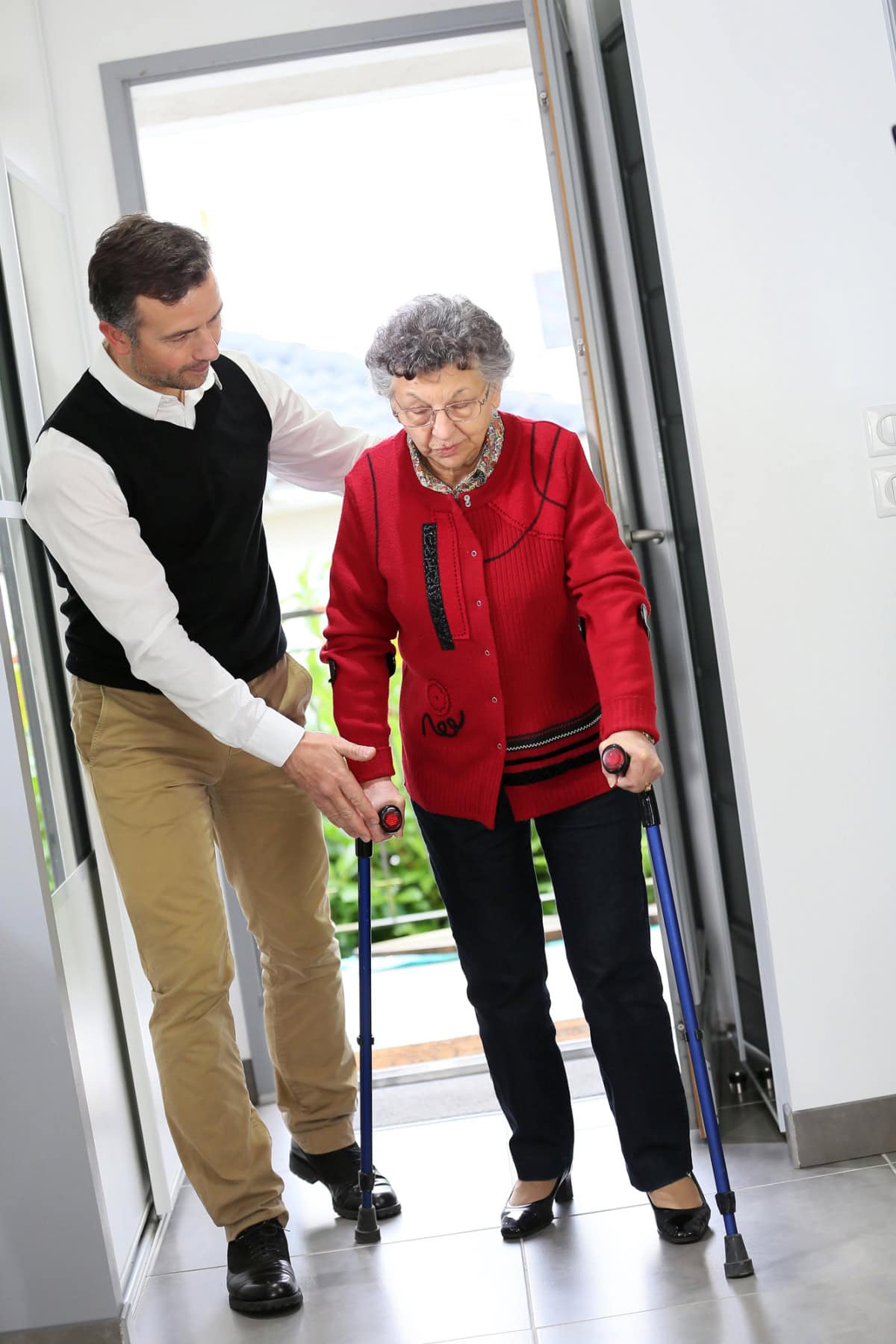
What Does a Recovering Person Actually Need?
Support is more than sympathy. A carer is someone who provides practical and emotional help to a person managing illness or injury, often a family member or friend. Understanding that role early prevents burnout later.
Their needs come in layers. Physical help, emotional reassurance, and practical organizing all matter, and they shift as healing progresses. The strongest support meets a few clear needs:
- Practical help. Meals, transport, and everyday tasks they cannot manage.
- Emotional support. A patient, steady presence without pressure.
- Organizing. Tracking appointments, paperwork, and medication.
- Advocacy. Speaking up for them when they lack the energy to.
The goal is to lighten the load, not to take away their independence entirely.
How Can You Help In the First Days?
The early period is often the hardest. A short checklist keeps a chaotic time on track.
- Prioritize medical care. Encourage every appointment and follow-up.
- Take notes. Record what doctors say while they rest.
- Handle logistics. Arrange transport, meals, and childcare.
- Gather documents. Collect reports, receipts, and contact details.
- Protect their rest. Screen visitors and calls so they can heal.
Medical care leads everything. Some injuries surface days later, so gently insist on a proper check even when your loved one wants to brush it off. A clear medical record also protects any future claim.
Why Does Staying Organized Matter So Much?
Recovery generates a mountain of paperwork. Reports, bills, and letters pile up fast, and an injured person rarely has the energy to manage them. Taking this on is one of the most useful things you can do.
Official reports carry real weight. For workplace incidents, the Occupational Safety and Health Administration provides the proper channel to report an injury quickly and on the record. That paper trail supports both workplace safety and any future claim.
Keep every receipt too. Medical bills, travel costs, and evidence of lost income all form part of a claim. Managing those expenses, much like using tools to save money on prescriptions, keeps the financial side under control.
When Should the Family Seek Legal Advice?
Sooner is usually better. Many firms offer a free first consultation, so early advice costs nothing and clarifies the options. Waiting can cost valuable evidence and time.
Time limits are strict. Most personal injury claims must be started within about 3 years of the injury, though some carry shorter deadlines. These rules are set out by the American Bar Association, and missing a single deadline can end an otherwise valid claim entirely.
Understand the fee model. No win, no fee means legal costs are payable only if the claim succeeds, which removes much of the financial risk of coming forward. That arrangement makes advice accessible even when a household is down to 1 income after time off work.
How Do You Care for Their Wellbeing, and Your Own?
Recovery is the real priority. Help your loved one follow medical advice, attend every appointment, and give their body the time it needs. A rushed return often sets healing back by weeks.
Mind and body both need care. Serious accidents can affect mental health, so support their recovery with rest, routine, and attention to their wider health and daily environment. Healing is more than physical.
Do not forget yourself. Caring for an injured loved one is draining, and roughly 1 in 3 carers report their own health slipping while they focus on someone else. Protecting your own wellbeing is not selfish, and it keeps you able to help for the long haul.
This holistic view of recovery also extends to ensuring all aspects of care are medically sound. If there is concern that negligence during treatment contributed to further injury or complications, understanding such situations is crucial. Exploring the responsibilities of healthcare providers can clarify whether an unfortunate outcome resulted from medical error or a reasonable risk of treatment. In complex cases where medical errors are suspected, consulting with a medical malpractice lawyer can help determine if proper standards of care were met and what legal avenues might be available for recourse.
What to Keep In Mind
- A carer provides practical and emotional help through recovery.
- Encourage medical care first, even for injuries that seem minor.
- Take over paperwork and appointments to ease their load.
- Report workplace and road incidents to the proper authority.
- Most claims must start within about 3 years of the injury.
- Protect your own health so you can support them for the long haul.
Being the Steady Hand They Need
Supporting a loved one after a personal injury is demanding, but a calm, organized approach restores a sense of control for you both. Protect their health, keep the paperwork in order, and seek advice early, and the road to recovery and fair compensation becomes far clearer. Your steady presence is the greatest help of all.
FAQ
How Can I Best Support Someone After a Serious Injury?
Focus on practical help, emotional steadiness, and organizing their paperwork and appointments. Encourage medical care and rest, and avoid taking over their decisions. Small, consistent help usually matters more than grand gestures.
Should My Loved One Get Legal Advice Right Away?
For anything beyond a minor injury, early advice is wise. Many firms offer a free first consultation and work on a no win, no fee basis. Acting early also protects evidence and keeps strict deadlines from passing.
How Long Do We Have to Make a Personal Injury Claim?
Most personal injury claims must begin within about 3 years of the injury, though some carry shorter deadlines. Because the limits are strict, seeking advice early is sensible. A lawyer can confirm the exact timeframe for the case.
How Do I Avoid Burning Out as a Carer?
Share the load, accept offers of help, and protect your own rest and routine. Around 1 in 3 carers see their own health decline, so self-care is essential. You can support someone far better when you are well yourself.

- The Grab-and-Go Court Routine Every Pickleball Family Needs - September 28, 2026
- 5 Simple Ways Families Can Save Money on Dental Care - September 28, 2026
- Coconut Acai Base: Cozy Weekend Breakfast Ideas - September 26, 2026