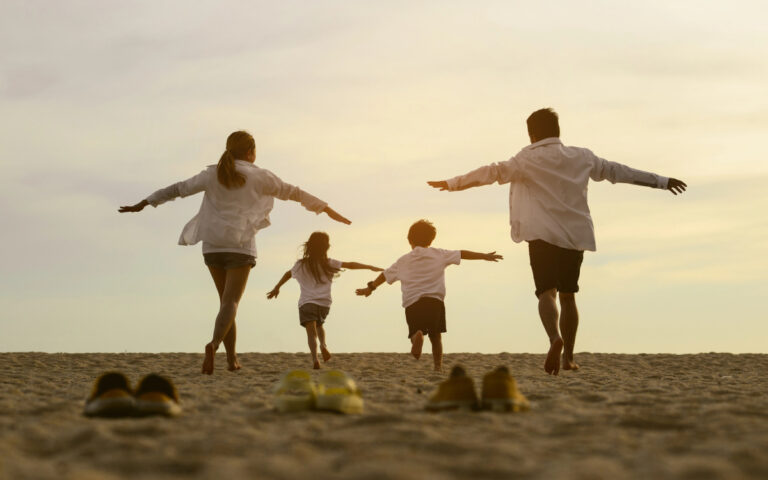
Family pickleball is an easy way to spend active time together, but getting everyone to the court can be less simple than the game itself.
Paddles may be in the garage, balls may be rolling around in the trunk, and water bottles can disappear into backpacks used for something else the day before. Add towels, grips, sunscreen, sunglasses, snacks, and personal items, and a casual game can quickly turn into a search for missing gear.
A grab-and-go court routine helps prevent that. By keeping essential equipment organized, protected, and ready between games, families can spend less time packing and more time playing.
Build the Routine Around the Gear You Cannot Forget
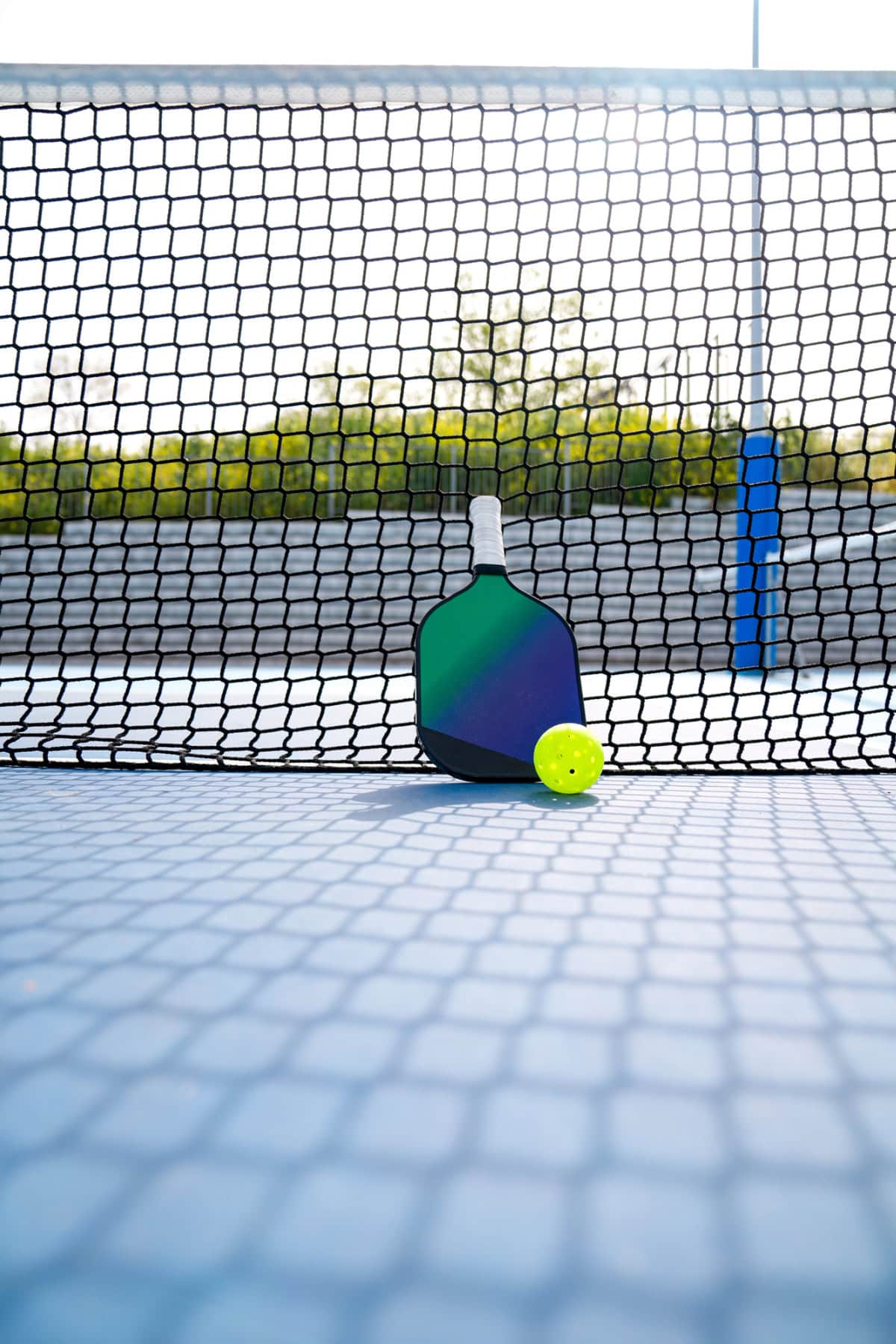
Paddles and balls form the foundation of any court setup, so they should have permanent places between games.
Choose one location at home where pickleball equipment is stored consistently. Keeping paddles together makes it easier to spot a missing one before leaving, while storing balls in a dedicated pocket or compartment prevents them from scattering around the house or car.
For families with several players, assign each paddle a specific place. This creates a quick visual check and reduces the chance of someone arriving at the court without the equipment they need.
A simple storage routine at home also makes packing more predictable. When the essentials always begin in the same place, preparing for a game requires fewer last-minute decisions.
Give Every Paddle a Protected Place
Paddles are more vulnerable to damage than many of the other items carried to the court. Their surfaces can rub against keys, bottles, shoes, or other hard objects when everything is packed together.
A better setup keeps paddles separate from loose accessories. Individual covers work well for players who prefer compact storage, while padded compartments can protect several paddles inside one larger bag.
Families comparing carrying options can review different pickleball paddle bags and cases to see how covers, sling-style designs, backpacks, and larger court bags handle paddle protection and storage.
The most practical choice depends on how many people play together and how much gear they usually bring. A single player may need only a compact option, while a parent carrying equipment for several family members may need more capacity and better internal organization.
Dedicated paddle storage also reduces unnecessary shifting inside the bag, which helps keep the rest of the contents easier to arrange.
Choose a Carrying Setup That Matches How Your Family Plays
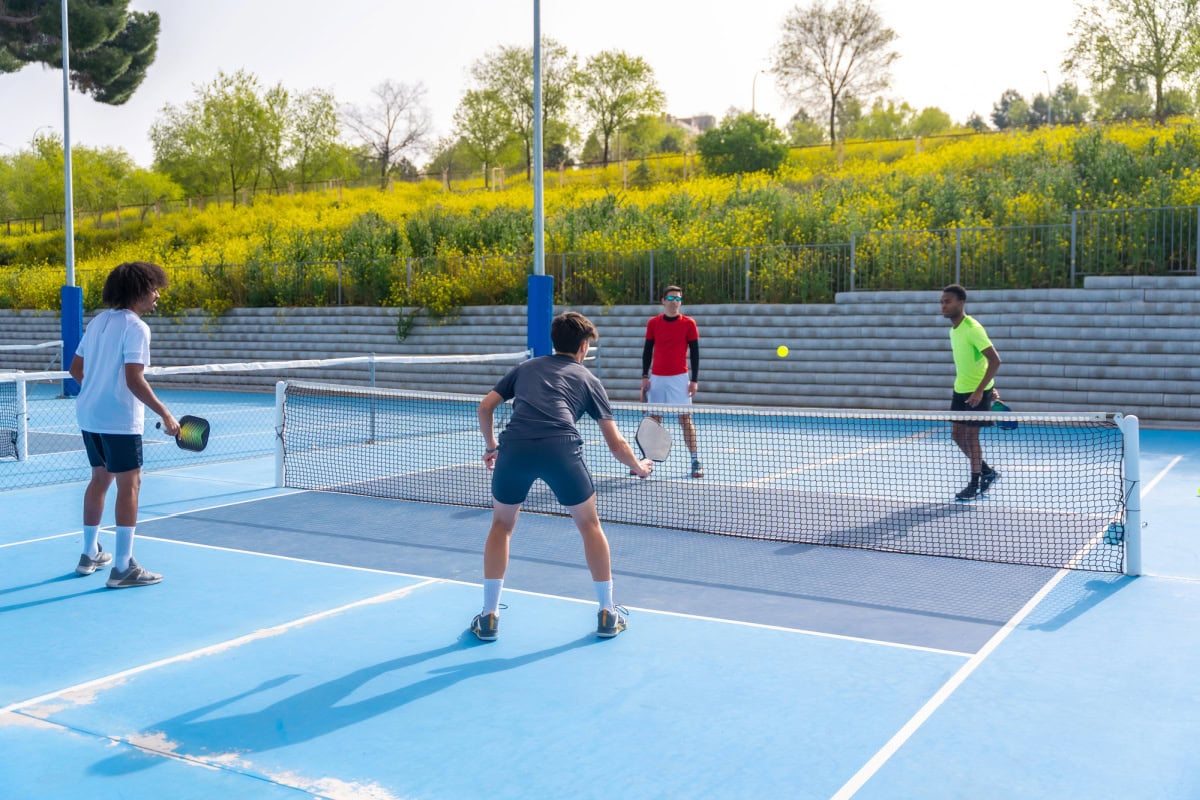
The carrying setup should reflect the family’s normal court routine rather than the largest amount of gear they might bring on rare occasions.
For short neighborhood games, a compact case or sling may be enough for a paddle, a few balls, and personal items.
A backpack-style option can be more practical when players regularly bring water bottles, towels, sunscreen, extra grips, or a light layer of clothing. Backpack straps are also useful for families who walk or bike to nearby courts.
Larger court bags make sense when one person carries equipment for several players. They provide more room for multiple paddles, shared supplies, and items such as snacks or towels without requiring several separate bags.
Capacity matters, but organization matters too. A useful setup should make frequently used items easy to reach without forcing someone to unpack everything on a bench.
Separate Court Gear From Personal Items
Smaller items are easier to manage when they have designated spaces.
Balls can stay in one pocket, while grips and accessories can be grouped in a zippered section. Phones, keys, and sunglasses are better kept away from hard sports equipment, especially when several paddles are packed together.
Water bottles should also be separated when possible. An exterior bottle pocket can help reduce the risk of moisture reaching paddles, towels, or personal belongings. Snacks are best kept contained rather than left loose inside the main compartment.
Families who participate in organized play may also want to check approved pickleball equipment when replacing paddles or other gear.
A straightforward layout is easier to maintain than an overly complicated one. When each category has a regular place, family members can find what they need without digging through the entire bag.
Decide What Should Stay Packed Between Games
A reliable grab-and-go setup works best when some supplies remain packed between outings.
Spare balls, extra grips, bandages, sunscreen, and a few small court accessories can stay in the bag so they are less likely to be forgotten. These are useful items that do not usually need attention after every game.
Other items should be removed immediately after playing. Water bottles should be emptied and cleaned, used towels should be taken out to dry or wash, and food or wrappers should never remain in the bag.
This division keeps the setup cleaner and more dependable. Permanent supplies stay ready, while temporary items are refreshed before each outing.
One Family Bag or Separate Setups?
The best arrangement depends on the ages and habits of the players.
Younger children may be better off sharing a larger setup with a parent so their paddles and basic supplies stay together. Older children and teens who play regularly may benefit from managing their own equipment.
A hybrid system can work well for many families. Each person can keep their own paddle protected while shared items such as balls, sunscreen, and towels stay in one larger bag.
This approach is especially useful when family members do not always play at the same time. A player can take their own paddle and essentials without disturbing everyone else’s equipment.
Labels can make the system even clearer when several paddles or bags look alike. A name tag or assigned compartment helps prevent mix-ups before leaving the house or court.
Create a Five-Minute Reset When You Get Home
A short reset after each game keeps the setup ready for the next outing.
Remove bottles, food, wrappers, and used towels. Check whether any balls are missing, return paddles to their protected spaces, and place small accessories back in their assigned pockets.
Anything damp should be allowed to dry before being packed again. If the bag itself becomes wet, leave it open until the moisture is gone.
Children can take part in the reset by returning their own paddles, bringing bottles to the kitchen, or checking shared supplies. These small responsibilities make the routine easier to maintain as a family.
An organized system can also support fun ways to exercise with your kids by removing some of the preparation that can make spontaneous activity feel inconvenient.
Once everything has been checked, return the bag to its regular storage location so it is ready to grab again.
Make the Next Court Day Easier Before This One Ends
A well-organized pickleball setup keeps the essentials protected, easy to find, and ready for the next game.
The most useful system is one that matches the way the family actually plays. It should provide enough room for necessary gear, keep delicate items separated, and remain simple enough for everyone to follow.
When the paddles are protected, the shared supplies are stocked, and the bag is stored in the same place after every outing, getting to the court becomes much easier.

- The Grab-and-Go Court Routine Every Pickleball Family Needs - September 28, 2026
- 5 Simple Ways Families Can Save Money on Dental Care - September 28, 2026
- Coconut Acai Base: Cozy Weekend Breakfast Ideas - September 26, 2026