Your hair reflects the way you treat it every day, and even the best products and leading hairdressers at the top salons can’t rescue it from constant neglect. Healthy hair relies on having a proper ritual in place, grounded in daily habits and regular professional care. Instead of chasing dramatic transformations, discover the conditions that will help your hair thrive in the long term.
The importance of consistency in hair care
As with most things in life, consistency is when caring for your hair. Strands strengthen or weaken gradually, so frequently switching products to chase fast results or relying on occasional masks for repair is unlikely to be effective. Consistency is also important in maintaining the microbiome of your scalp, reducing irritation and excess oiliness or dryness around the roots, which can damage existing hair and weaken new growth.
When you follow the same washing schedule for several weeks, you’ll be able to observe how your hair behaves. Someone with fine hair may discover that washing every other day keeps volume intact without creating greasy roots, while thicker or textured hair may feel softer and less brittle with fewer washes and richer moisture top-ups between soaks. Finding the optimum rhythm allows you to adjust your care intentionally, instead of reacting to every bad hair day.
Understanding the foundation of healthy hair
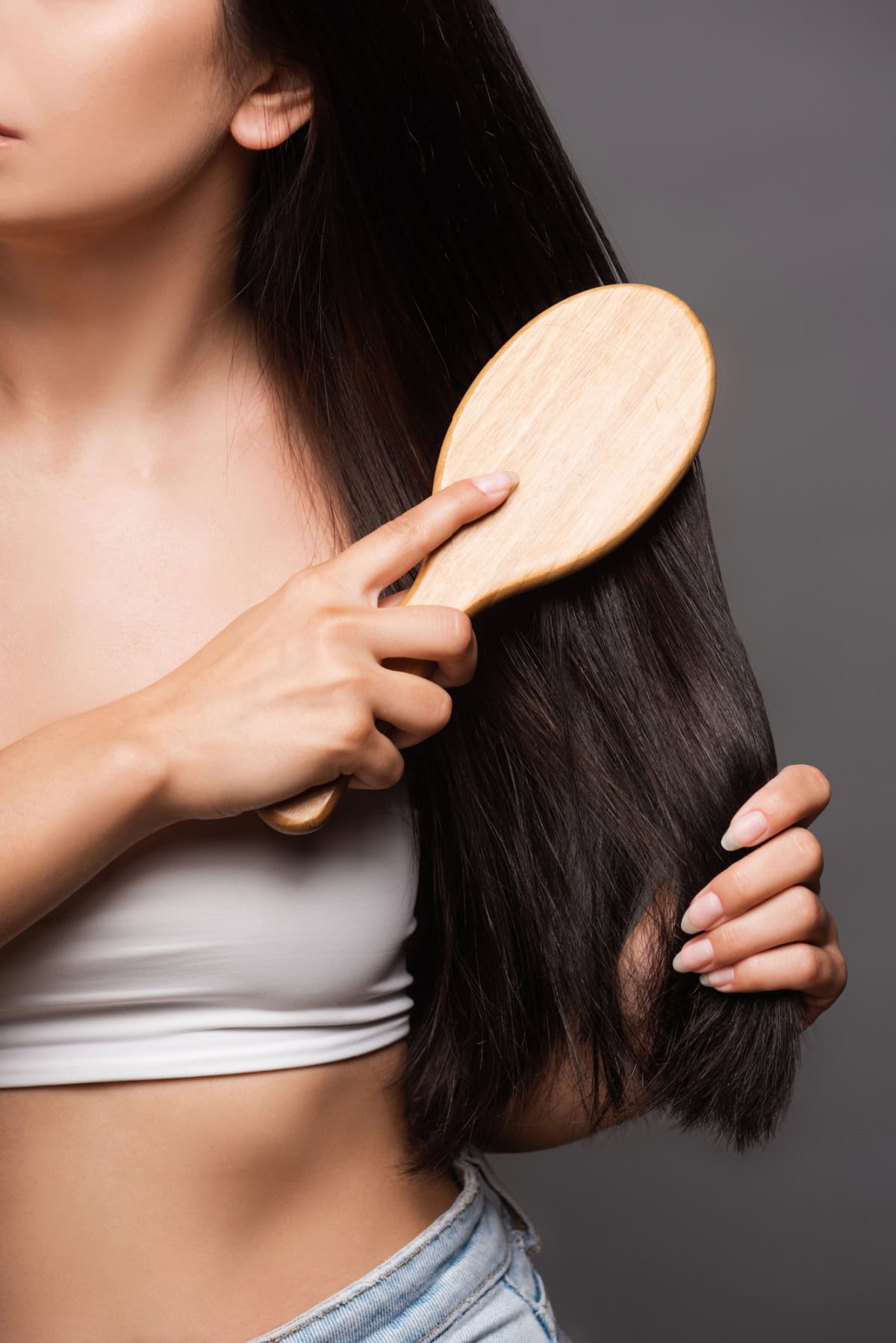
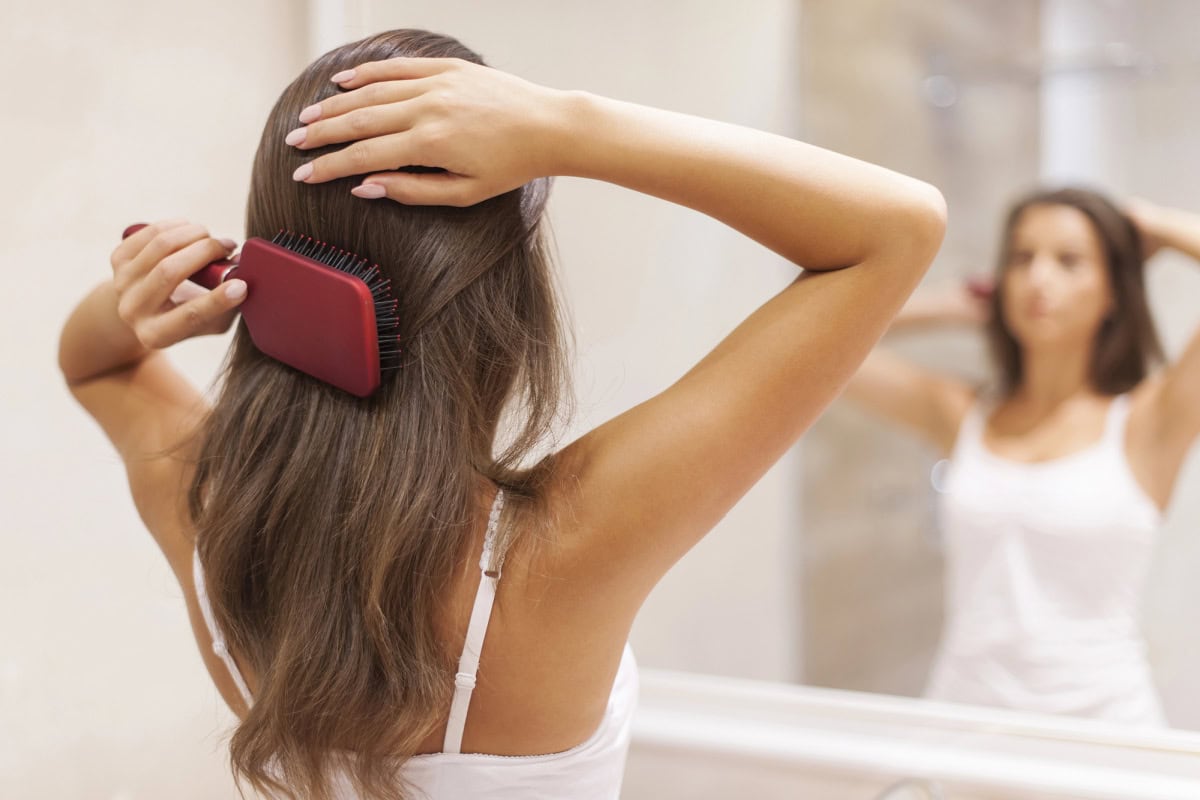
Healthy hair begins at the scalp because follicles depend on circulation for balanced oil production and gentle handling. Tight hairstyles, aggressive brushing, and constant heat exposure can leave hair looking dull and more fragile over time. Even simple changes, such as lowering the temperature on your blow dryer or using a microfiber towel instead of rough cotton when drying damp strands, can reduce breakage around the hairline and ends.
Nutrition also plays a visible role in hair condition. Protein supports structure, while iron and healthy fats help maintain growth and shine. Regularly including eggs, leafy greens, salmon, beans, and nuts in your meals will support your hair from the inside, helping it feel stronger and reducing shedding during brushing.
Sleep and stress management matter too because prolonged stress can push more strands into the shedding phase, so focus on developing good sleep hygiene for effective rest. Treat your scalp with the same care you’d give your skin.
Building a simple and effective routine
An effective routine doesn’t need to be complicated. Most people benefit from a simple cleanser and conditioner combination for washing and a treatment product that targets a specific concern such as dryness or frizz, like a heat protector or smoothing oil.
The key lies in using each product correctly and giving it enough time to work. Many people don’t shampoo properly. This should be applied around the scalp and gently massaged into the top of the hair, rather than applied all over. Longer, thicker locks may benefit from double shampooing, especially if washes are well-spaced out. Once thoroughly rinsed out, conditioner should be applied from the mid-lengths to the ends and left to absorb for a few minutes before rinsing.
Choosing the right products to include
Products should match your actual hair behavior instead of trends on social media. For example, sulfate-free shampoo isn’t necessarily better – it all depends on what works for you. Thick curls often need richer creams and oils to hold moisture, while fine straight hair usually responds better to lightweight formulas that avoid buildup.
Avoid being led by ‘hype’ products, especially if they’re promising instant effects. Reading ingredient labels helps you understand why certain products work. Ingredients such as glycerin and hyaluronic acid attract moisture, while proteins can temporarily strengthen damaged strands.
If you’ve noticed thinning around the temples or increased shedding after stress or hormonal changes, consider using natural hair growth products to stimulate the follicles and extend the active growth phase and strengthen existing locks. Some scalp serums include ingredients like rosemary oil or caffeine because they support circulation and create a healthier environment for growth. Used consistently alongside gentle styling habits, these products may help hair appear fuller over time, especially when paired with regular scalp massage.
Maintaining regular hair appointments
Regular trims help maintain the overall condition of your hair because split ends continue traveling upward when ignored for too long, causing visible damage. Even removing a small amount every few months can keep hair looking thicker and smoother through the lengths. Salon visits also give you a chance to discuss changes in texture, shedding, or scalp sensitivity with someone who sees hair patterns professionally every day and can provide expert care advice.
Color treatments and chemical services require especially careful maintenance between appointments. If you bleach or chemically straighten your hair, your stylist can recommend adjustments before damage becomes difficult to reverse. Many people notice that regular appointments actually reduce long-term maintenance because healthier ends tangle less, style more easily, and require fewer rescue treatments at home. Schedule regular appointments with your salon rather than waiting for issues to occur.

- How to Save Money on Pet Care Without Cutting Corners - August 12, 2026
- Life Hacks to Make Things Easier for Busy Parents - August 12, 2026
- How to Support a Loved One Recovering From a Personal Injury - August 12, 2026