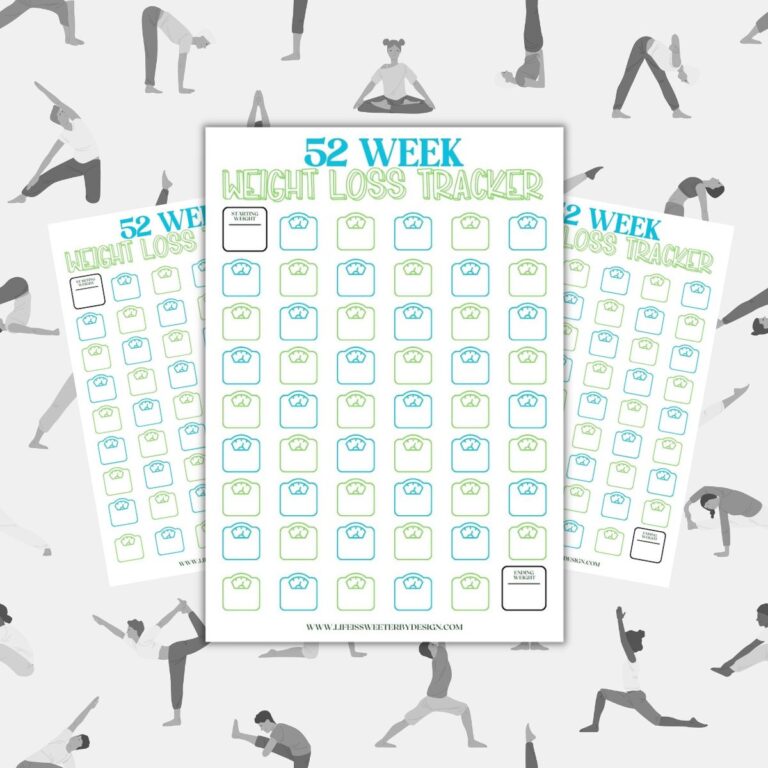
Getting more active is an exciting part of any weight loss journey, especially when you start noticing improvements in your energy, stamina, and overall health. Whether you are walking more often, trying new workouts, or spending extra time outdoors, your knees may need some time to adjust to the increased activity. This is where supportive footwear and orthopedic insoles can help make everyday movement more comfortable. Taking care of your knees early on can help you stay consistent with your fitness routine without putting unnecessary strain on your joints. The goal is to build healthier habits while keeping your body comfortable and ready for the journey ahead.
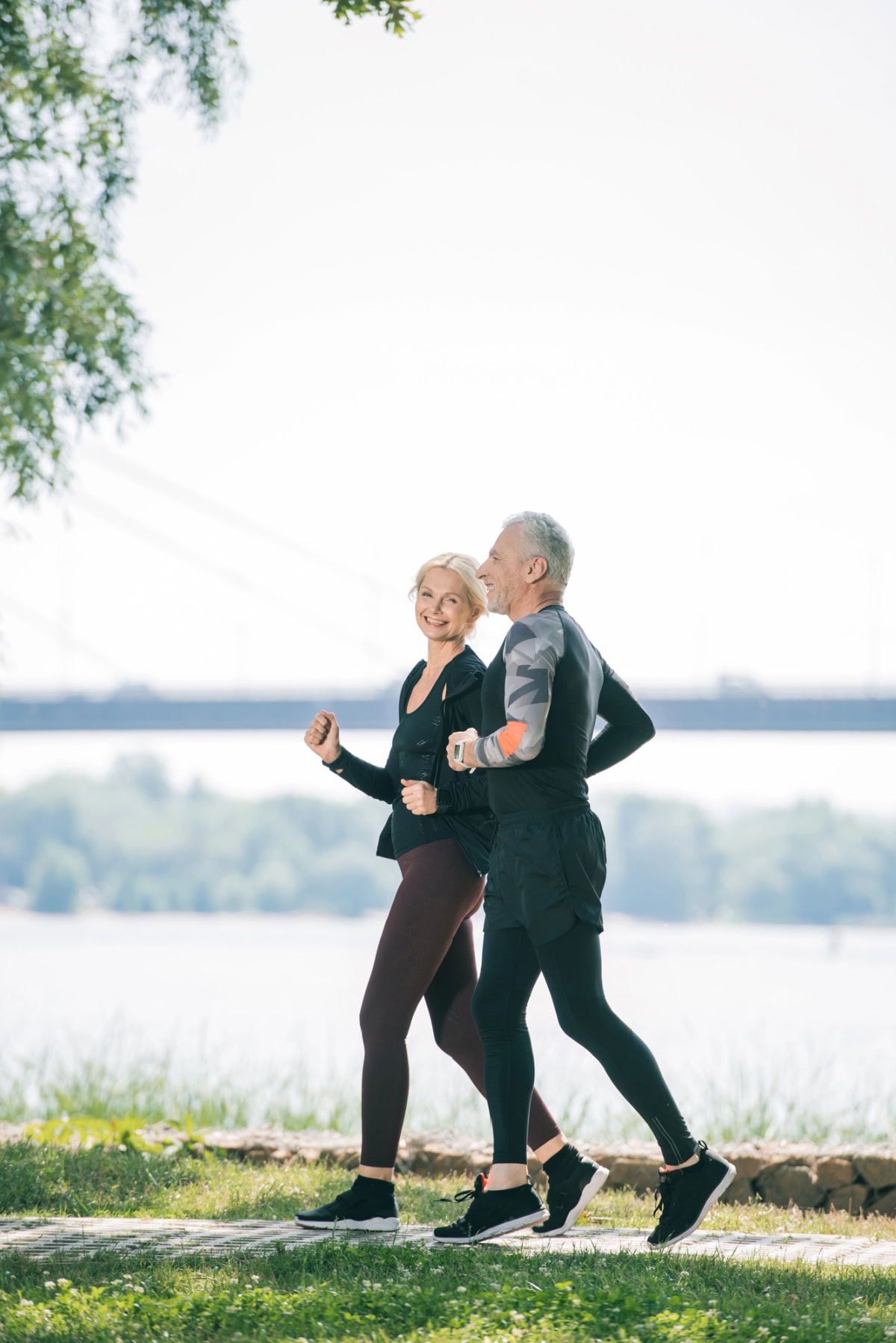
Start Slowly and Give Your Body Time to Adjust
You don’t have to begin with severe workouts or lengthy walks to reach your weight reduction targets. Begin with a reasonable way of life and add extra quantity to the best way after you begin feeling a little more ready. Be attentive to your physique and don’t be too aggressive to keep away from stress and discover a training that makes you comfortable.
Choose Low Impact Exercises That Support Weight Loss
You can still burn calories and make meaningful progress without putting too much pressure on your knees. Activities like swimming, cycling, and walking at a comfortable pace are great options because they help improve fitness while reducing the impact on your joints. Try mixing different activities throughout the week to keep your routine interesting and give your knees a break from repetitive movements.
Wear Supportive Footwear and Consider Orthopedic Solutions
The shoes you wear during your weight loss journey can make a bigger difference than you might expect. Since walking and exercising put repeated pressure on your feet and lower body, choosing supportive footwear can help make movement more comfortable and stable. Here are a few things to keep in mind when choosing the right support for your daily activities.
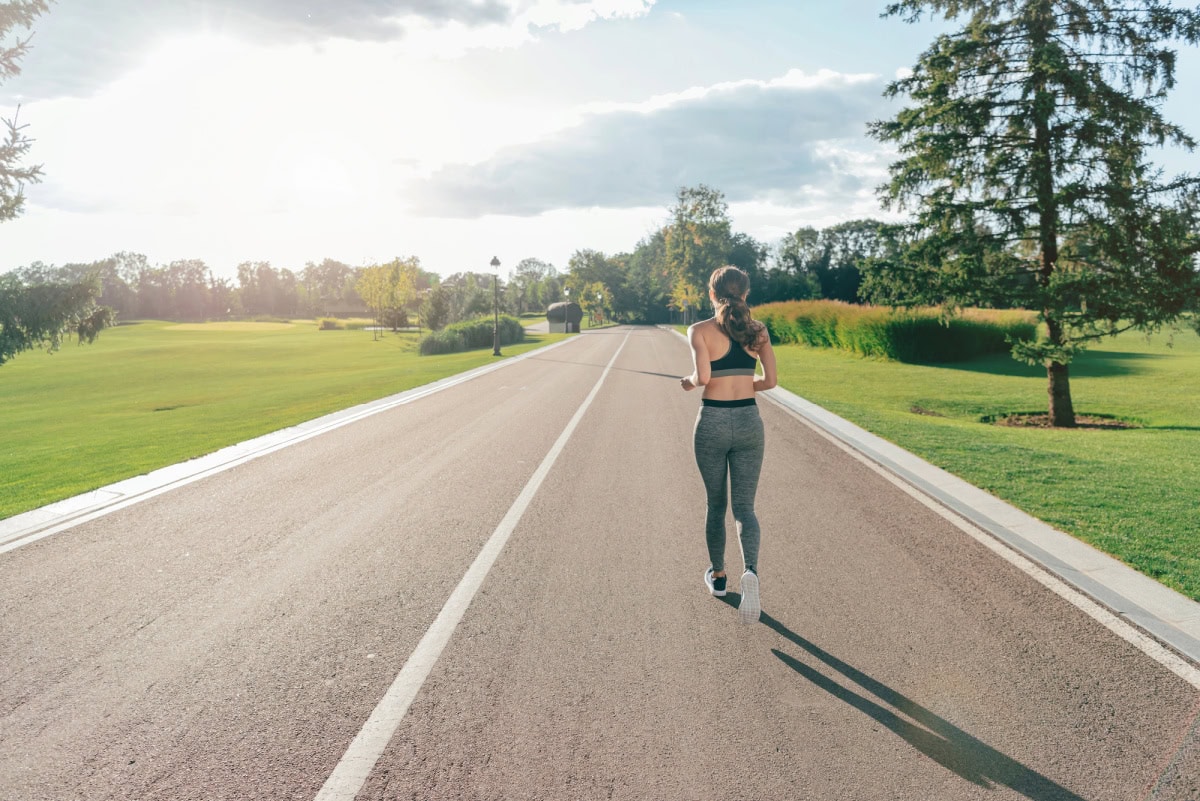
Choose Shoes with Proper Support
Choose shoes that offer the proper amount of cushion, a snug fit, and great arch support. Your shoes should feel snug but not too tight, most of all during longer walks or workouts. The best workout shoes can improve comfort and help you stay motivated to work out more often.
Pay Attention to Arch Support and Cushioning
Everyone’s feet are different, so consider footwear that matches your foot shape and provides the support you need. Proper cushioning can help absorb some of the impact created by walking and other weight-bearing activities. If you regularly experience foot discomfort, a podiatrist can help determine whether additional arch support would be beneficial.
Consider Additional Support from Insoles
If your regular shoes do not provide enough comfort, adding supportive insoles may be worth considering. People searching for the best insoles for knee pain should look for options that offer appropriate cushioning, arch support, and a comfortable fit rather than assuming that one design works for everyone. While insoles may improve foot comfort and support, they are not a guaranteed solution for knee pain, so persistent discomfort should be assessed by a healthcare professional.
Replace Worn Out Shoes When Needed
Even high-quality athletic shoes lose their cushioning and support with regular use. If you notice uneven wear, reduced comfort, or less stability when walking, it may be time to consider a replacement. Keeping your footwear in good condition can help you stay comfortable as your activity levels gradually increase.
Strengthen the Muscles That Support Your Knees
Building strength in the muscles around your knees can help improve joint stability and make everyday movements more comfortable. Simple exercises like straight leg raises, glute bridges, and seated leg extensions can help strengthen your thighs and hips without requiring intense workouts. Start with movements you can manage comfortably, focus on proper form, and gradually increase the difficulty as your strength improves.
Pay Attention to Your Walking and Exercise Habits
Posture and activity level: Your walking style and physical activity level both play a role in how much pressure is placed on your knees each day. It’s important to maintain good posture and avoid overly rushing when moving around, as well as use easier surfaces to walk on when you can. If you experience discomfort while being active, be sure to take breaks.
Conclusion
Protecting your knees as you become more active is all about making gradual changes, choosing suitable exercises, and giving your body enough time to recover. Supportive footwear, strengthening exercises, and options like orthopedic insoles can also help make everyday movement more comfortable. Remember, a successful weight loss journey is not about pushing yourself too hard but building healthy habits you can maintain for years to come.

- Spa Gifts for an At-Home Self-Care Night - November 21, 2026
- Best Life360 Alternatives: iSharing, Scannero and Google Family Link Compared - November 21, 2026
- Rebuilding Family Life After Divorce: Important Decisions That Shape the Future - November 21, 2026