If you have a sleep disorder, the first thing to do is identify it, tracking your symptoms and sleeping patterns. Afterward, you can begin treating it yourself by adjusting your daytime habits and bedtime routine. If this doesn’t solve the problem, you may need to turn to sleep specialists to help with the issue.
In this blog post, we are going to aim to give you a helping hand by running through a few of the most common sleeping disorders and some possible solutions. Hopefully, this article will send you to sleep!
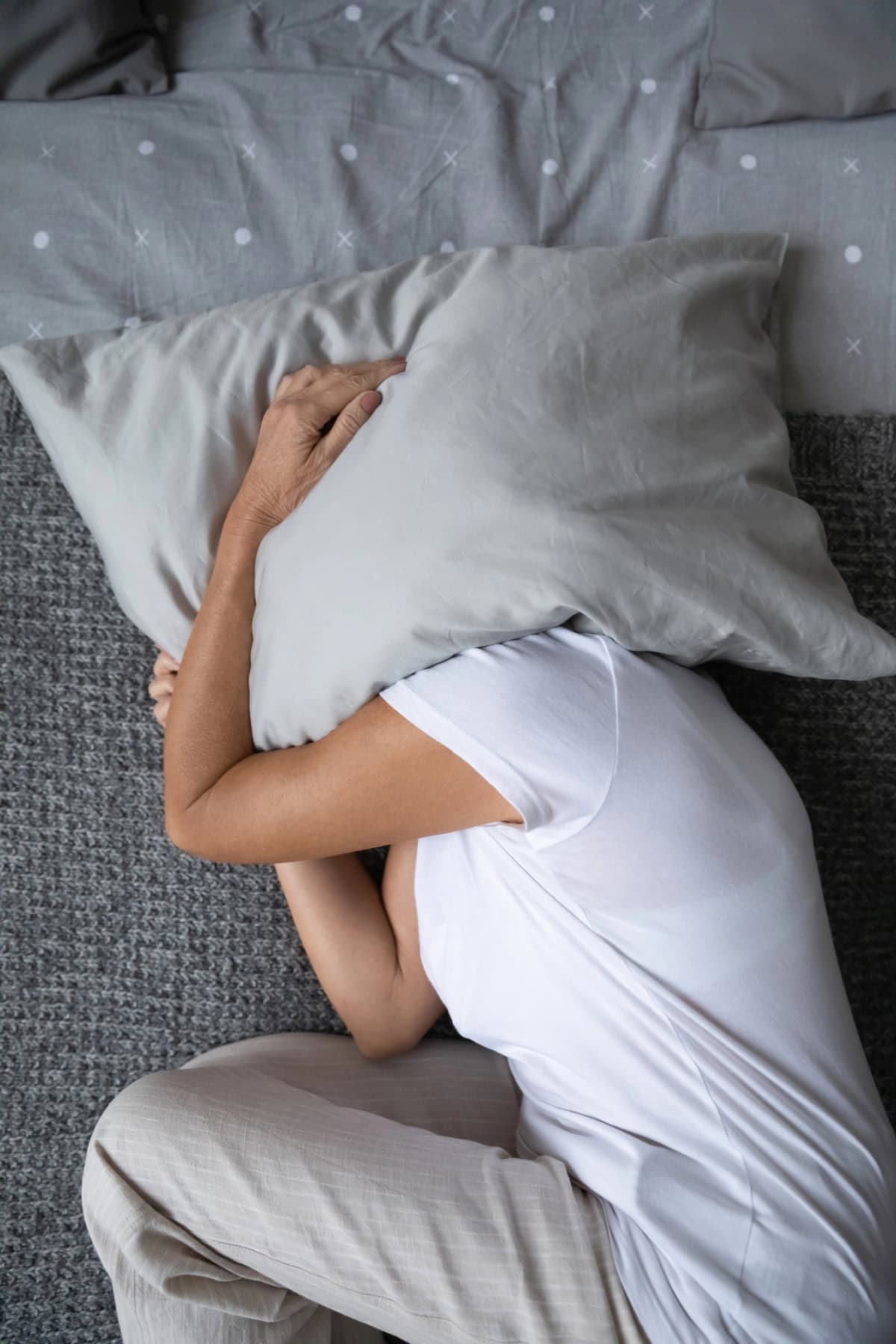
Insomnia
Right at the top of the list of most common sleep disorders is insomnia. If you regularly have an inability to drift off to sleep at night or you have a lot of difficulty sleeping through the night, it is highly likely that you are suffering from this particular condition. The root causes are various, including stress, a health condition, or even the amount of coffee that you drink during the day. It can also be a knock-on effect from other sleep disorders or a result of a mental health issue like anxiety or depression.
The first thing that you can do in an attempt to tackle insomnia is improve your sleep hygiene. There are a number of factors involved in this, including reducing the length of daytime naps, cutting back on alcohol, nicotine, and caffeine, exercising regularly, and keeping clear of heavy or rich foods. Next up, you can improve your sleeping environment, possibly by investing in a new mattress. You could also change your bedding and take steps to make the room darker and quieter. A lot of cases of insomnia can be solved all by yourself.
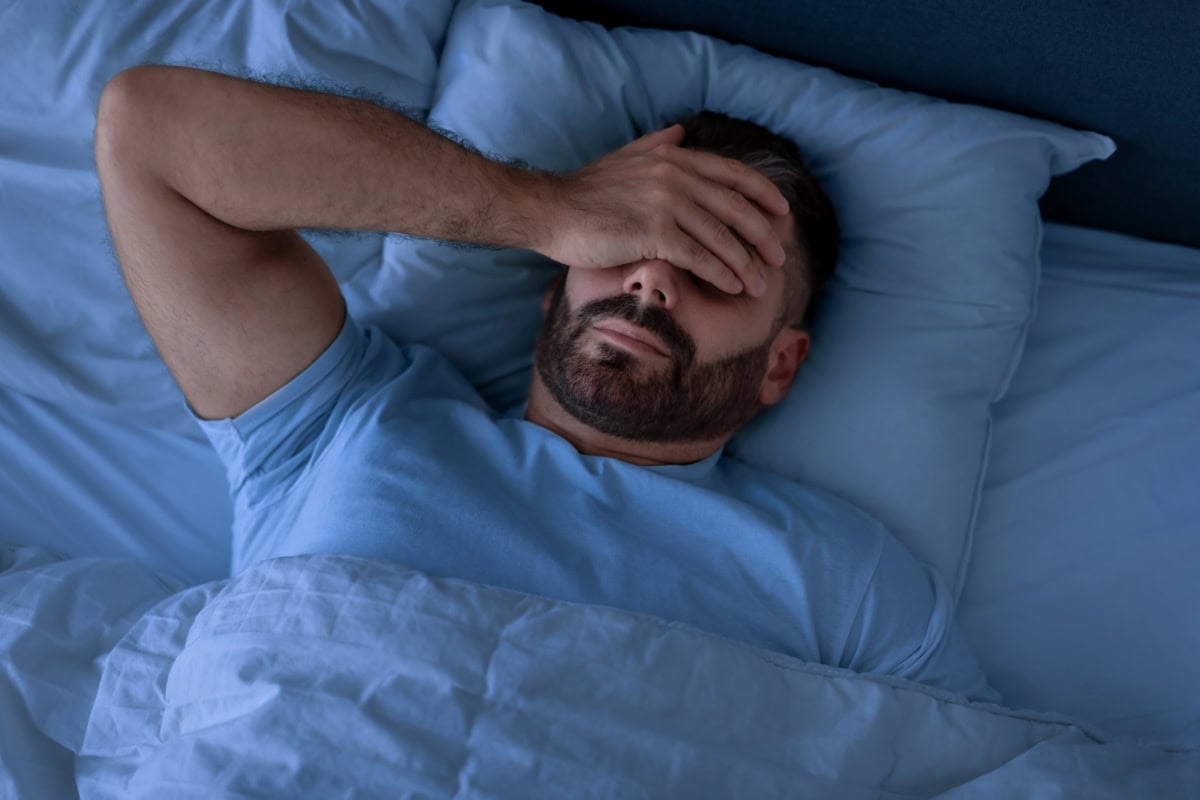
Sleep Apnea
Another common disorder that affects many of us is sleep apnea, which can be a very scary experience for sufferers. Essentially, your breathing stops temporarily while you are sleeping, which awakens you frequently during the night. If you have this condition, you may not even remember the awakenings, but you are much more likely to feel exhausted during the day, irritable, and depressed. One of the major warning signs is loud and chronic snoring almost every night. You can look into CPAP alternatives as well if nothing seems to be doing the job.
The same sleep hygiene principles that we discussed in the insomnia section also apply here, but you can also do a few other things to tackle the problem. When you go to sleep at night, sleep on your back rather than your side. A trick that some people use to prevent themselves from rolling onto their backs during the night is sewing a tennis ball into the back of their pajama top. Another tip that you could put into practice is propping your head up using a foam wedge or cervical pillow. Sleep apnea can be a very serious condition, so you should consult with a doctor if it persists.

- How to Surprise Your Partner with an Unforgettable Helicopter Ride - October 19, 2026
- The Details That Help You Make Sense of an Unfamiliar Supplement - October 19, 2026
- When Dental Damage Requires a Restorative Treatment Plan - October 19, 2026