Most people don’t give all that much thought to their hearing until they experience a problem, but there are good reasons to take a proactive approach to hearing health management. As with most things, the earlier a potential issue is known, the better.
For that, a hearing test is required. In truth, pretty much anyone can benefit from getting a hearing test, but there are some people who would especially benefit. In this post, we’ll run through a list of some of the key people that a test applies to — if you find yourself on it, then it might be time to make an appointment with an audiologist.

People Experiencing Hearing Loss Symptoms
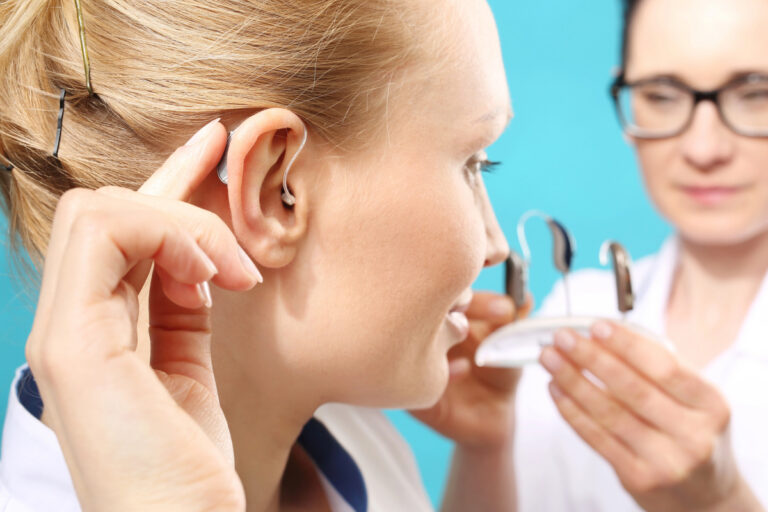
The most obvious person who would benefit from a hearing test is someone who is already experiencing hearing loss symptoms. In most cases, hearing loss is gradual, which means that it can be difficult to determine whether hearing loss is present. A hearing test will not only determine if loss is present, but also how much. If there is, then the audiologist will recommend a treatment plan, which may involve being fitted for a hearing aid.
Symptoms of hearing loss include:
- Difficulty following conversations
- Setting the TV volume too high
- Hearing voices as mumbling
People Who Are at Risk of Hearing Loss
Hearing loss can affect anyone, but some people are more at risk than others. Many people know that individuals aged sixty and over are at an increased risk of hearing loss, but not everyone knows that some people who are significantly younger than that are at risk, too.
Noise-induced hearing loss, induced by exposure to loud noises such as concerts, headphones, and occupational hazards, is increasingly common. Anyone who regularly finds themselves in loud environments or who listens to music at excessively loud volumes should be tested regularly, including musicians.

People In Their Forties
We mentioned above how people of retirement age are more likely to have hearing loss. However, by that time, the hearing loss has usually been building for some time. The initial hearing loss can start many decades earlier, while the person is in their forties. This is why, when it comes to thinking about when to get a hearing test after 40, it’s usually recommended to do so as early as possible, even if there are no symptoms of hearing loss. A test can help establish the person’s baseline hearing, against which all future tests can be scored. In effect, the best time to get your hearing checked is when it’s in as close to perfect condition as possible.
People With Recent Head or Ear Injuries
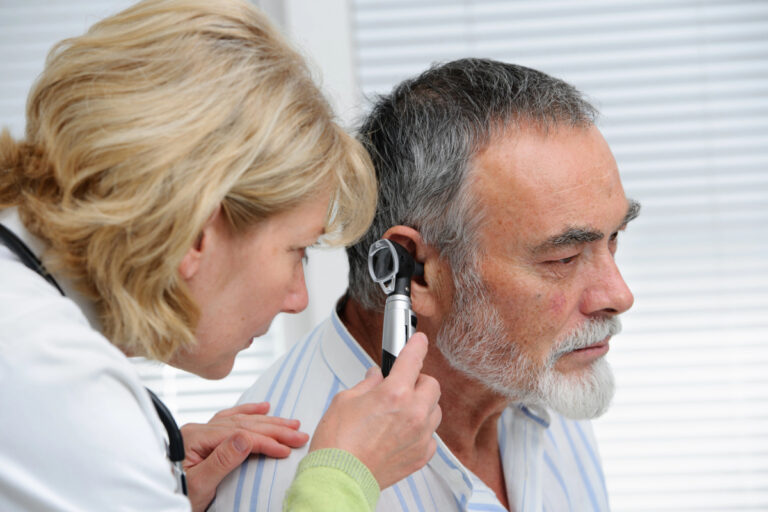
One of the most underrated causes of hearing loss is injury to the head or ear. When a person experiences trauma to these areas, such as when playing sports or in a traffic accident, hearing loss can occur without it being fully recognized by the person. It’s a good idea to perform a hearing test following an injury to rule out damage to the auditory nerve or the tiny bones in the middle ear.

- How to Surprise Your Partner with an Unforgettable Helicopter Ride - October 19, 2026
- The Details That Help You Make Sense of an Unfamiliar Supplement - October 19, 2026
- When Dental Damage Requires a Restorative Treatment Plan - October 19, 2026