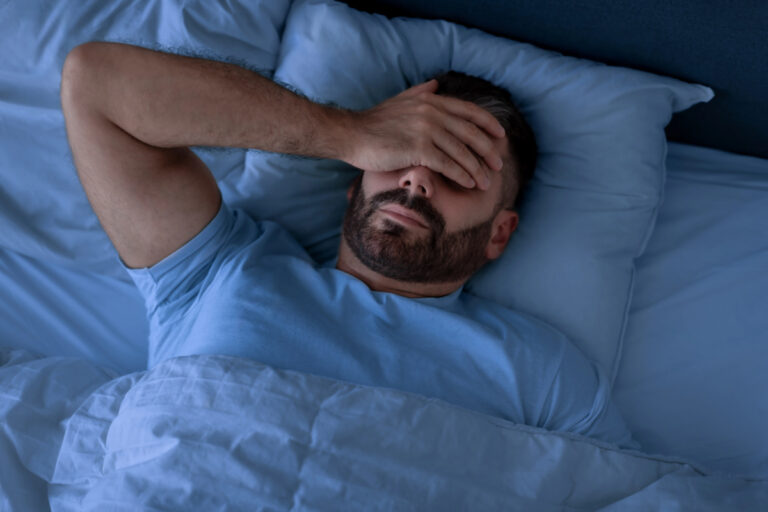
For the longest time, people have associated hormonal imbalances with women. The “fairer” sex suffers from hormonal swings during menstrual cycles, pregnancy, and breastfeeding. It becomes a whirlwind of mood fluctuations, ranging from euphoria to despair. However, healthcare experts agree that hormonal concerns are not limited to women. Hormonal issues can affect mood in men, too.

Hormonal Issues Can Affect Mood in Men Too
Men may also go through imbalances that cause side effects like poor mood and low mental clarity. Since we don’t usually connect hormonal changes with men, these problems may go unnoticed for a long time.
Let us understand how hormones could be behind your low mood and what you can do to feel better.
A Testosterone Dip
Most of us know testosterone as the primary sex hormone in men. However, did you know it is also associated with mood and general well-being?
Men’s Health notes that the standard level of testosterone can range from 264 to 1,000 nanograms per deciliter. If the levels fall too much, you may experience a tanking mood and less energy.
It is natural to have a lower level with age, but some men may face more serious losses due to infections and thyroid problems. Hypertension and high cholesterol, which affect many men after middle age, can also deplete testosterone levels.
Action Plan:
A health checkup can indicate if you may find hormonal therapy helpful. Injections and gels have received a lot of publicity in recent years. Testosterone pellets can also be convenient due to their more gradual approach. These pellets let testosterone dissolve into your bloodstream over 3-6 months, thus avoiding the side effects of abrupt surges.
Usually, one can feel the effects of restored testosterone levels in mood, libido, and stamina. However, professional guidance is mandatory – the virality of testosterone products notwithstanding. EVEXIAS Health Solutions recommends regular check-ins and prescribed blood tests to monitor the impact of the treatment.

The Hormonal Cascade in Fatherhood
We know that childbirth can subject women to an avalanche of hormonal changes. The instant connection moms seem to develop with babies is a mix of several factors, from societal expectations to hormonal craziness. However, researchers have established that fathers also experience some of these changes.
Jonathan Kennedy, a global health expert and professor, highlights that fathers experience hormonal surges in prolactin and oxytocin upon spending time with their babies. He also notes that fatherhood can cause a dip in testosterone, making men more empathetic, patient, and sensitive.
On the flip side, this new scenario can also subject men to a higher risk of mood dips. Testosterone has a protective effect on mental wellness. Lower levels can increase the odds of male postnatal depression (PND). The risk may be higher if a partner is already suffering from postnatal depression.
A new JAMA Network study puts the risk in perspective. It links paternal depression to an over 40% higher chance of depression in the child. Therefore, taking care of oneself is not optional – it is imperative for the whole family.

Action Plan:
It can be hard to check in with your thoughts during the chaotic days when a newborn takes over the house. But staying vigilant is paramount if you suspect your feelings may be worse than blues.
Men are not “expected” to suffer from PND, which means their moodiness or apathy may get ignored. The American Heart Association advises fathers to be careful of signs of mood disorders. These could be irritability, anxiety, or turning to the drink every night.
Speaking to a counselor or a family member can ease the burden and help you recognize that you need support. Some healthcare practitioners suggest getting a mood screening during your child’s wellness checks. More severe cases of postnatal depression in men may require medication and continued therapy.
Another thing you can try is building real-life connections with other fathers and men in your situation. It can highlight how everyone struggles with parenting and give you insight into coping.
For example, suppose you lose your cool over a messy living room because your home was always pristine before the baby’s arrival. A supportive community could give you practical solutions like buying large storage baskets or hiring a professional cleaner to come in weekly.

Is it Worthwhile Seeking Counselling for Low Mood?
Dealing with a persistent low mood can be frustrating and annoying. It severely affects your quality of life because you cannot engage fully with the present moment. A low mood can feel even more tiresome when you cannot connect it with circumstantial reasons.
We urge you to discuss this in detail with the physician. They can run a panel of tests to determine if you can benefit from hormonal therapy. A basic blood test can detect the levels of free and attached testosterone. It can also diagnose related conditions like low muscle mass.
Opting for hormonal treatments remains an unconventional approach to tackling mood conditions in men. And yet, society is quite accepting of women seeking similar treatments during menopause. Health, like anything else, isn’t a realm where gender disparities should exist.
Some mood conditions stem from deep-seated concerns like trauma or neurological problems. Others could be down to your hormones acting up. In either case, there’s no reason you should be miserable without attempting to manage the condition.

- How to Keep Healthy Snacks Front-and-Center for Neurodivergent Kids and Adults - September 18, 2026
- Privacy Settings and Your Financial Journey - September 18, 2026
- The Power of Proactive Choices for a Better Future - September 18, 2026