Liposuction is one of those procedures that most people think they understand until they start researching it seriously. Then the questions start piling up. Is it a weight loss surgery? Will the fat come back? How long is recovery really? What areas can and can’t it treat?
If you’re considering body contouring in Kansas City and want the real picture before walking into a consultation, this guide breaks down seven things every patient should know. No fluff, no hype, just honest, practical information.

1: Liposuction Is a Contouring Procedure, Not a Weight Loss Treatment
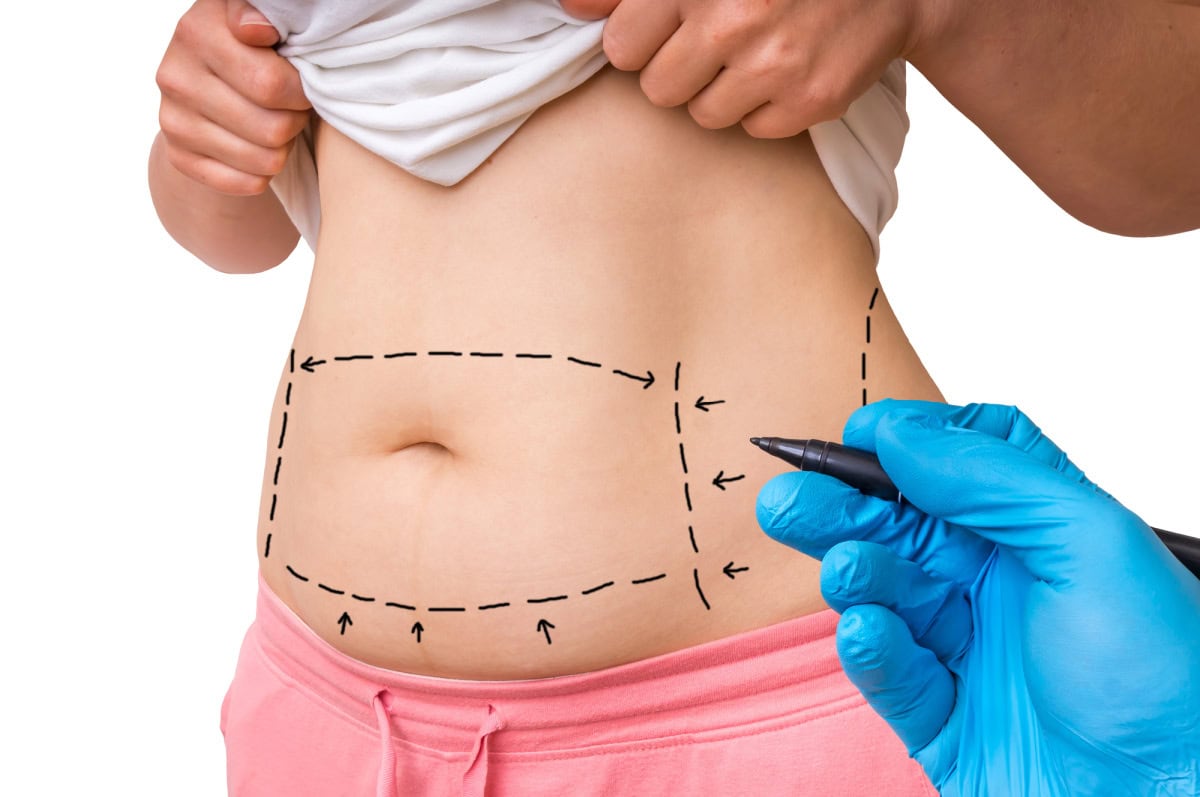
This is probably the most important expectation to set from the start. Liposuction removes localized fat deposits from specific areas of the body — the abdomen, flanks, inner thighs, arms, back, chin, and more. It does not remove large quantities of weight, and it’s not a substitute for a healthy lifestyle.
The best candidates are people who are at or near their goal weight but are frustrated by stubborn pockets of fat that don’t respond to diet and exercise. If you want to lose thirty pounds, liposuction is not the right starting point. If you want to refine and sculpt a body that’s already at a healthy weight, it can be genuinely transformative.
2: The Fat Cells Removed Are Gone for Good
One of the most reassuring facts about liposuction is that the fat cells removed during surgery do not grow back. The human body establishes its full complement of fat cells in childhood and early adulthood; it doesn’t generate new ones in the same location after they’ve been surgically removed.
However and this is important the remaining fat cells in the treated area and in neighboring areas can still expand if you gain significant weight after surgery. The general guidance is that maintaining your results requires staying within about ten percent of your surgical weight. Think of liposuction as reshaping the sculpt, not locking in a number on the scale.
Patients who have consulted with board-certified surgeons for liposuction in Kansas City often note that the pre-consultation discussions around lifestyle, candidacy, and realistic expectations can be just as valuable as the procedure itself.
Ascentist Plastic Surgery is one example of a practice that emphasizes this type of detailed, patient-focused consultation process. This approach helps patients make more informed decisions and better understand what outcomes are realistically achievable.
3: Recovery Is Gradual and the Final Result Takes Months
Most patients are surprised by how staged the recovery from liposuction is. Here’s a realistic timeline:
Week 1–2: Significant swelling and bruising. Most patients can return to desk work by day five to seven, but should avoid any strenuous activity. Compression garments are worn continuously.
Week 3–6: Swelling decreases substantially. Most patients resume light exercise. The shape begins to emerge, but it still isn’t the final result.
Month 3–6: Residual swelling fully resolves. The final contoured result becomes visible. Patience during this phase is genuinely important; many patients start to see the real outcome only around the three-month mark.
Rushing the recovery, returning to intense workouts too early or abandoning compression garments — can compromise the final result. Follow your surgeon’s protocol precisely.
4: Technology Matters Not All Liposuction Techniques Are the Same
The term ‘liposuction’ covers several different techniques, and the technology your surgeon uses can meaningfully affect your result and recovery:
Traditional tumescent liposuction: The gold standard. A saline solution with epinephrine and lidocaine is injected to numb tissue, reduce bleeding, and make fat easier to remove. Used in the vast majority of liposuction procedures.
VASER (Ultrasound-Assisted): Uses ultrasound energy to liquefy fat before removal. Particularly useful in fibrous areas like the male abdomen or back. Can allow for more precise contouring.
Power-Assisted Liposuction (PAL): The cannula vibrates to break up fat, reducing physical exertion for the surgeon and allowing for more consistent removal in dense tissue areas.
According to theAmerican Society of Plastic Surgeons 2023 Procedural Statistics Report, liposuction was the single most performed cosmetic surgical procedure in the United States in 2023, with 347,782 procedures a 7 percent increase from the prior year. That volume reflects the consistently strong patient satisfaction and the breadth of candidates the procedure is appropriate for, when performed by a qualified board-certified surgeon.
5: Skin Elasticity Is a Critical Candidacy Factor
Here’s something that isn’t talked about enough: liposuction removes fat, but it doesn’t tighten loose skin. If a patient has significant skin laxity often seen after major weight loss, multiple pregnancies, or advanced age simply removing fat may leave behind sagging skin that actually makes the area look worse, not better.
A thorough pre-surgical evaluation will always include an honest assessment of skin quality. In cases where elasticity is a concern, a surgeon might recommend combining liposuction with skin-tightening procedures (such as a tummy tuck for the abdomen) to achieve the desired outcome. The right candidate for liposuction has good skin tone that will contract smoothly after fat removal.
6: The Compression Garment Is Not Optional
Nearly every patient who has gone through liposuction has a story about wanting to skip the compression garment. They’re not exactly comfortable, especially in the summer heat. But wearing it faithfully is one of the most important things you can do for your result.
Compression garments serve three critical functions after liposuction. They minimize swelling by preventing fluid accumulation in the treated tissue. They help the skin conform smoothly to the new contour as healing progresses. And they reduce the risk of developing seromas — pockets of fluid under the skin. Most surgeons recommend wearing compression garments for four to six weeks, with specific guidance varying based on the areas treated and volume removed.
7: Choosing a Board-Certified Surgeon Directly Impacts Your Safety and Outcome
Liposuction is a surgical procedure performed under anesthesia, and like all surgery, it carries risks when performed in non-accredited settings or by inadequately trained providers. The rise of medspas and non-surgical aesthetic clinics has brought a proliferation of ‘lipo’ offerings that range from legitimate minimally invasive procedures to poorly supervised surgical procedures in inappropriate settings.
Always verify that your surgeon is board-certified by the American Board of Plastic Surgery (ABPS) and that the procedure will be performed in an accredited surgical facility. Ask about their liposuction case volume annually — surgeons who perform the procedure regularly develop a level of technique refinement that occasional providers simply cannot match.
Ascentist Plastic Surgery, for example, maintains a team of board-certified surgeons whose focus on body contouring procedures means that safety protocols, technique precision, and individualized care are embedded into every case — not treated as add-ons.
The Bottom Line
Liposuction, when performed by the right surgeon on the right patient with the right expectations, is one of the most consistently satisfying procedures in the entire cosmetic surgery landscape. The keyword across all of that is ‘right.’ Getting educated before your consultation — understanding what the procedure can and cannot do, what recovery actually looks like, and what makes a provider qualified — puts you in a far stronger position to make a decision you’ll feel confident about.

- The Grab-and-Go Court Routine Every Pickleball Family Needs - September 28, 2026
- 5 Simple Ways Families Can Save Money on Dental Care - September 28, 2026
- Coconut Acai Base: Cozy Weekend Breakfast Ideas - September 26, 2026