As winter starts to grip its teeth into us this year, many of us are already scrambling for our warmest jackets. After dragging out the winter clothing boxes, some of us are left staring at seemingly endless piles of wool and jackets, wondering how we can most effectively combine various items to stay as warm as possible.
The most effective way to do this is through a strategy known as layering, but what does that actually mean? From base layers to shells, here’s a breakdown of the technical jargon.
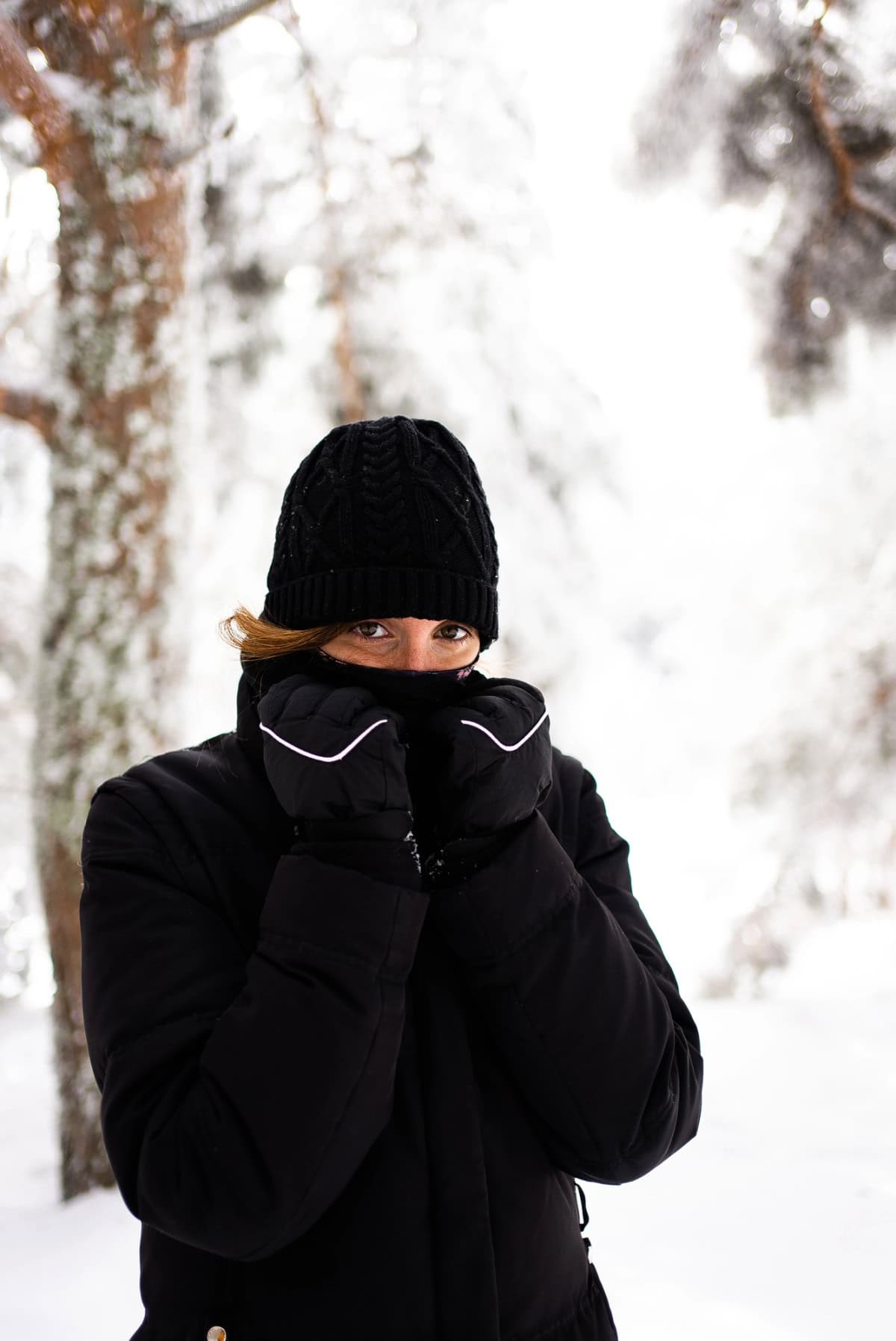
Base layers
When layering, your base layer is the layer that lies against your skin. You want it to be relatively thin and snug fitting, and ideally made from a soft, comfortable material like merino wool or cotton. You can find great options from suppliers like Screen Textiles without having to break the bank.
One of the purposes of this layer is to wick your sweat away from your skin, keeping you dry. It also needs to be cozy and pleasant to wear. If you’re in the city, it should be something relatively smart that you don’t mind wearing to meetings or seeing your friends in.
Mid layers
Next, we have mid layers, which provide the bulk of your insulation to keep you warm. Mid layers can fit into two broad categories.
Fleeces and jumpers
One kind of mid-layer will be your classic fleece or jumper. These need to be relatively breathable and thick enough to trap some air. It’s by creating these air pockets that you can make a warmer ‘cloud’ of air between your skin and the outside air – the thicker the pocket, the more insulated you’ll be.
Thicker insulation
As the temperature drops even further, you’ll want to add thicker insulation to your mid layers. That can be either synthetic insulation, like Thermaloft, or the more classic version, down feathers.
These kinds of layers will often be a lot thicker (and also likely more expensive than your fleeces and jumpers), but they can do an excellent job of keeping you really toasty when it dips below zero.

Outer shell
Finally, your outer shell is there to keep you protected from the wind, rain, and snow. This will be a thinner but much more resistant layer of fabric, traditionally a waxed cotton, but nowadays more often a technical fabric like GoreTex.
The outer shell will need to be big enough to go over the layers you have underneath, which means you’ll likely need one for summer (that’s quite snug, as you don’t need to put much on underneath) and one for winter (that’s a lot bigger to fit all your winter layers).
Layering is something that you’ll need to experiment with until you get it just right, but these are the basic principles to keep in mind throughout. It’s worth investing in some good-quality kit, especially if you spend a lot of time outside – it can make a world of difference to your winter experience, and the layers should last you for a while.
Check out these other articles while you are here:
- Simple Ways to Feel More Connected in Everyday Life
- Baby Registry Etiquette and a Printable Baby Registry Checklist
- What Happens If I Switch My Boiler Off at the Mains

- Turning a House Into a Home: Small Changes That Make a Big Difference - July 27, 2026
- How to Support a Child After an Autism Diagnosis - July 27, 2026
- How International Schools Support Students Beyond Academics - July 27, 2026