Many people want salon-quality nails without spending hours or large amounts of money. Press-on nails now offer a quick and simple way to achieve a polished look at home, while gel and acrylic manicures still attract those who value strength and long wear. Press-on nails provide the easiest and most affordable option, while gels and acrylics deliver longer-lasting, more durable results.
Each method suits different needs. Press-ons appeal to those who like flexibility and easy removal. Gels give a glossy, natural look that lasts for weeks, and acrylics create a firm, sculpted style that resists chips and breaks. The choice often depends on lifestyle, budget, and how much time someone wants to spend on upkeep.
By comparing how these three methods differ in application, durability, and care, anyone can find the best fit for their routine. Understanding these basics helps avoid damage, save time, and maintain healthy nails while still achieving a look that feels personal and stylish.
Fundamental Differences Between Press-On, Gel, and Acrylic Manicures
Each nail method uses different materials, tools, and techniques that affect how the nails look, last, and feel. The main contrasts lie in how they are applied, how long they stay intact, and how much freedom they allow for design changes.
Application Methods and Tools
Press-on nails provide the simplest process. They come pre-shaped and pre-designed, ready to attach with adhesive tabs or nail glue. Many salon-quality press on nails can be applied at home in under 15 minutes. This method avoids UV lamps, electric drills, or professional tools, making it convenient for quick style changes.
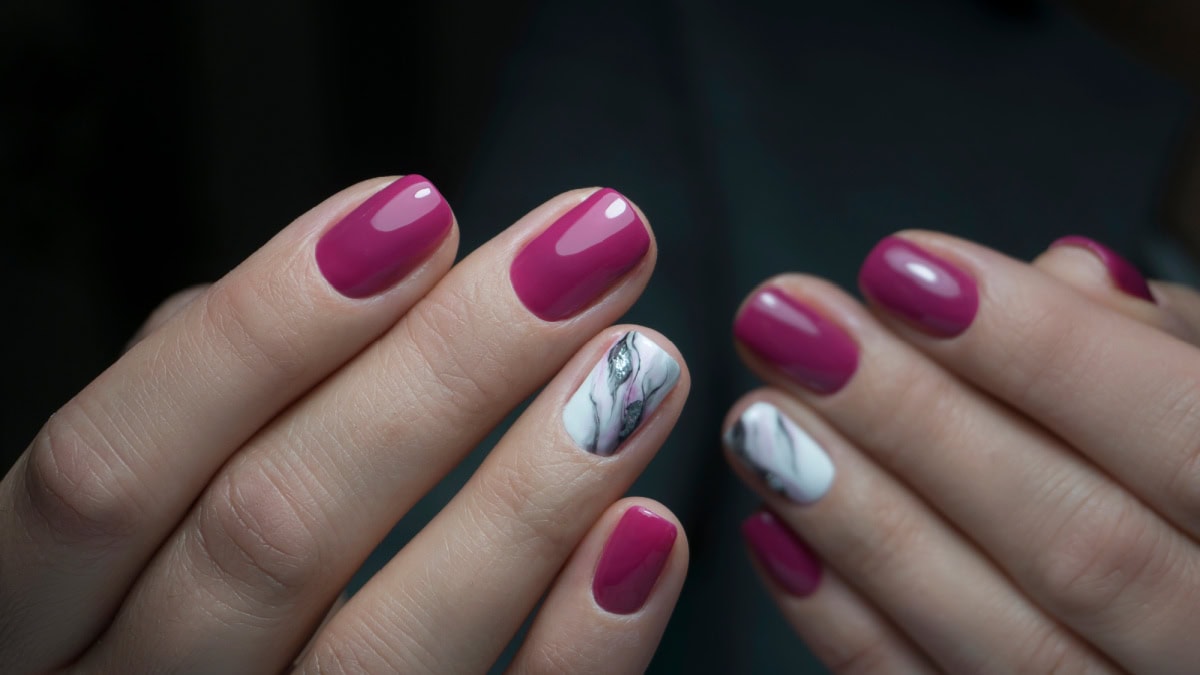
Gel manicures require a multi-step process. A gel polish coats the natural nail in layers, each cured under a UV or LED lamp. The steps include nail prep, base coat, color, and topcoat. The curing process hardens the gel, giving it a glossy finish and strong hold.
Acrylic manicures involve mixing a liquid monomer with a powder polymer to form a paste. The technician shapes this mixture over the nail or an extension tip, then lets it air-dry. The process demands skill to achieve a smooth, even surface and proper thickness. Removal later requires soaking in acetone, which can dry the nails.
Durability and Longevity
Acrylic nails last the longest, often up to three weeks or more before needing fills. Their hard surface resists chips and cracks, but the weight can strain natural nails. Gel manicures usually last two to four weeks, offering flexibility that reduces breakage but still requires salon maintenance.
Press-on nails last about one to two weeks, depending on adhesive strength and care. They can lift sooner if exposed to water or heavy use, but they allow easy removal without harsh chemicals. Some designs are reusable, which adds value for users who change styles often.
Each option balances durability with convenience. Acrylics suit those who want long wear, gels fit moderate maintenance routines, and press-ons appeal to those who prefer short-term looks without commitment.
Appearance and Customization
Acrylic and gel manicures allow detailed shaping and nail art. Professionals can sculpt nail length, build 3D accents, or blend colors for a natural or bold effect. The results often look polished and seamless, ideal for formal events or long wear.
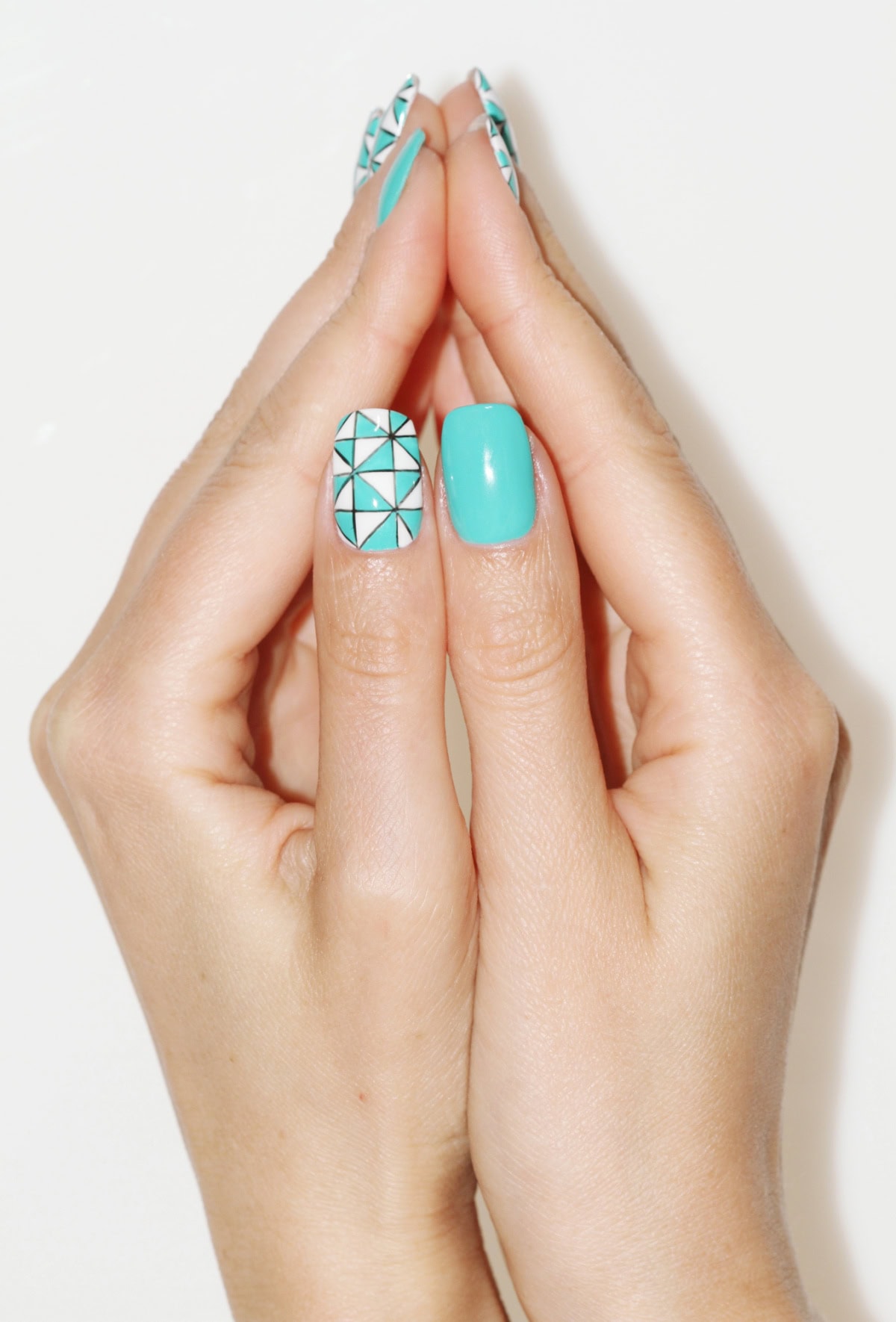
Press-on nails now rival salon finishes. Their pre-made designs range from classic French tips to trendy ombré and chrome looks. Many sets mimic the gloss and contour of professional manicures. Users can trim or file them for a custom fit, then change designs easily without waiting for removal appointments.
In terms of flexibility, press-ons offer instant variety, gels provide creative control through polish art, and acrylics deliver structure and strength with a sculpted finish. Each method serves different style goals and maintenance preferences.
Nail Health, Maintenance, and Lifestyle Considerations
Each nail method affects nail health, upkeep, and daily habits in different ways. The materials, removal process, and time between salon appointments all influence comfort, cost, and the long-term condition of natural nails.
Impact on Natural Nails and Nail Damage
Press-on nails cause the least stress to natural nails because they attach with gentle adhesive tabs or glue. They do not require filing down the nail surface or exposure to harsh chemicals. As a result, nail plates usually stay smooth and healthy after use.
Gel manicures involve layers of gel polish cured under UV or LED light. Repeated UV light exposure may dry the nails and skin, so applying sunscreen or using protective gloves helps reduce this effect. Improper nail prep or peeling off gel polish can thin the nail surface and cause peeling.
Acrylic nails use a liquid and powder mixture that hardens into a strong coating. The chemicals and dust can irritate skin or cuticles if applied carelessly. Over-filing during nail preparation or removal can weaken the natural nail and slow growth. Working with a trained nail technician reduces these risks.
Ease of Removal and Aftercare
Press-ons remove easily with warm water or gentle lifting at the edges. They rarely leave residue or damage, and aftercare usually involves light buffing and moisturizing. This simple process makes them ideal for those who change styles often.
Gel nails require soaking in acetone for several minutes after filing the top layer to break the seal. The process can dry the nails and cuticles, so applying cuticle oil afterward helps restore moisture. Avoiding scraping or peeling off the gel protects the nail surface from damage.
Acrylic nails need longer acetone soaks and sometimes professional removal. The thick structure makes them harder to dissolve. Filing too deeply or prying them off can cause painful nail thinning. Regular rest periods between sets allow natural nails to recover strength and flexibility.
Cost, Convenience, and Salon Appointments
Press-on nails cost the least and need no salon appointment. They fit busy lifestyles since application takes only minutes and removal is quick. Many users keep multiple sets at home for easy style changes.
Gel manicures cost more and require salon visits every two to three weeks for maintenance or removal. They suit people who want a lasting, glossy finish without frequent touch-ups. However, scheduling appointments adds to both time and expense.
Acrylic nails are the most durable but also the most time-consuming. They often need fills every few weeks to cover new nail growth. Regular salon appointments maintain their appearance, but skipping them can cause lifting or uneven surfaces. Those who prefer long nails with detailed designs may find the upkeep worthwhile despite the higher cost.
Conclusion
Each nail method offers a different balance of cost, durability, and maintenance. Press-on nails provide a quick and affordable option for temporary wear. They suit people who like to change styles often or prefer a low-commitment manicure.
Gel nails create a glossy, natural look that lasts longer but require salon visits and UV light. They cost more but resist chips better than press-ons.
Acrylic nails deliver strong, long-lasting results for those who want durability and structure. However, they take more time to apply and may weaken natural nails if not removed properly.
Therefore, the best choice depends on lifestyle, budget, and how long someone wants the manicure to last. Each type can look neat and professional with proper care.

- How to Save Money on Pet Care Without Cutting Corners - August 12, 2026
- Life Hacks to Make Things Easier for Busy Parents - August 12, 2026
- How to Support a Loved One Recovering From a Personal Injury - August 12, 2026