Background checks have become a relatively common requirement in a range of modern workplaces. While most of us have had to navigate these aspects of employment at some point in our professional lives, it can sometimes feel a bit opaque, and, as a result, be somewhat frustrating.
In this article, we try to clear things up a little bit, by clarifying which roles legally require a DBS check. Starting with a brief explanation of how DBS checks work, we then proceed to the kinds of roles that require checks as part of the broader regulatory framework they sit within.

The three types of DBS checks
To understand which roles require mandatory DBS checks, we first need to understand the three different levels of checks that are available.
Basic checks
The basic check is the least in-depth check available. It will only pull up spent criminal convictions, warnings and reprimands, and can be carried out (with the applicant’s consent) for any role. The basic check isn’t typically a mandatory requirement – rather, it’s a relatively non-invasive tool that a lot of employers will choose to use to improve their hiring processes.
Standard check
The standard check is one step up from the basic check, pulling up both spent and unspent criminal convictions, warnings and reprimands. Unlike the Basic check, the Standard check can only be used for certain regulated roles; as a result, if a Standard check is involved, it will likely be a mandatory requirement.
Enhanced checks
The Enhanced check is the highest level available, and will also include any information that the police believe is relevant to the role that’s being applied for. As with the Standard check, Enhanced DBS checks can only be used for certain roles – if a role requests an Enhanced check, it will be mandatory, not optional.
Roles involving vulnerable people
In terms of the actual roles that require mandatory checks, one broad category includes any role that involves contact with vulnerable individuals. That includes roles in childcare, education, and healthcare settings.
In general, if that contact is ongoing and unsupervised, the role will require a mandatory enhanced check, potentially also with a barred list check. If the contact is typically in a supervised setting, and does not entail an ongoing relationship, then it may only necessitate a Standard check. For instance, a highly qualified surgeon looking for work must navigate these rigorous vetting processes before they can ever step into an operating theater or interact with anesthetized patients. These exhaustive verifications serve as a vital safety shield, ensuring that even temporary or consultative surgical placements maintain the highest standards of institutional trust and patient protection.
Roles involving sensitive information
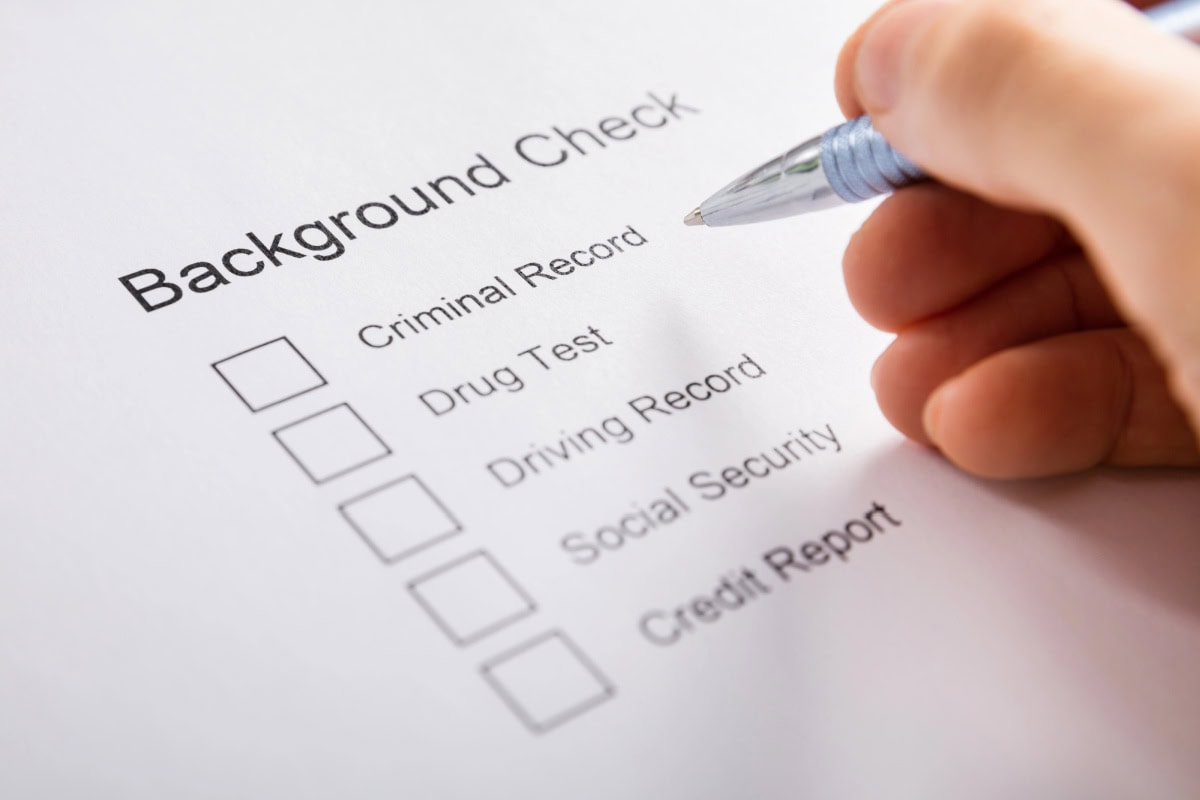
Other roles where DBS checks can be mandatory include settings where the employee will have access to sensitive information. This could include legal settings, but also a range of financial institutions. If you’re an employer and you believe that this could include your organisation as well, but you’re unsure, then it’s imperative that you contact a background check expert, such as Personnel Checks, for further clarification.
Whether you’re a jobseeker or an employer, it’s important that you understand how and why tools like DBS checks are used. When used properly, they help keep workplaces in any number of different settings safer and more secure, leading to improved environments for workers and clients alike.

- Simple Ways to Make Home Maintenance Less Stressful - September 15, 2026
- Bathroom Flooring Ideas That Balance Style and Practicality - September 15, 2026
- Red Light Spa Near Me vs. At-Home Red Light Panel: Which Is Better? - September 15, 2026