Remote work has changed the way many people travel in the UK and around the world. Instead of squeezing trips into annual leave, you can answer emails beside a Cornish beach one week and finish a client call near the Lake District the next.
A well-planned setup makes life on the road more practical and less chaotic, especially when your living space also needs to support a full working day.
Why the mobile office lifestyle is growing
Hybrid working has given people more freedom to rethink where they spend their time. If you already own a camper or you’re considering one, it makes sense to use it for more than weekends away. You avoid expensive hotel stays, you stay flexible with your schedule, and you can change scenery without interrupting work commitments.
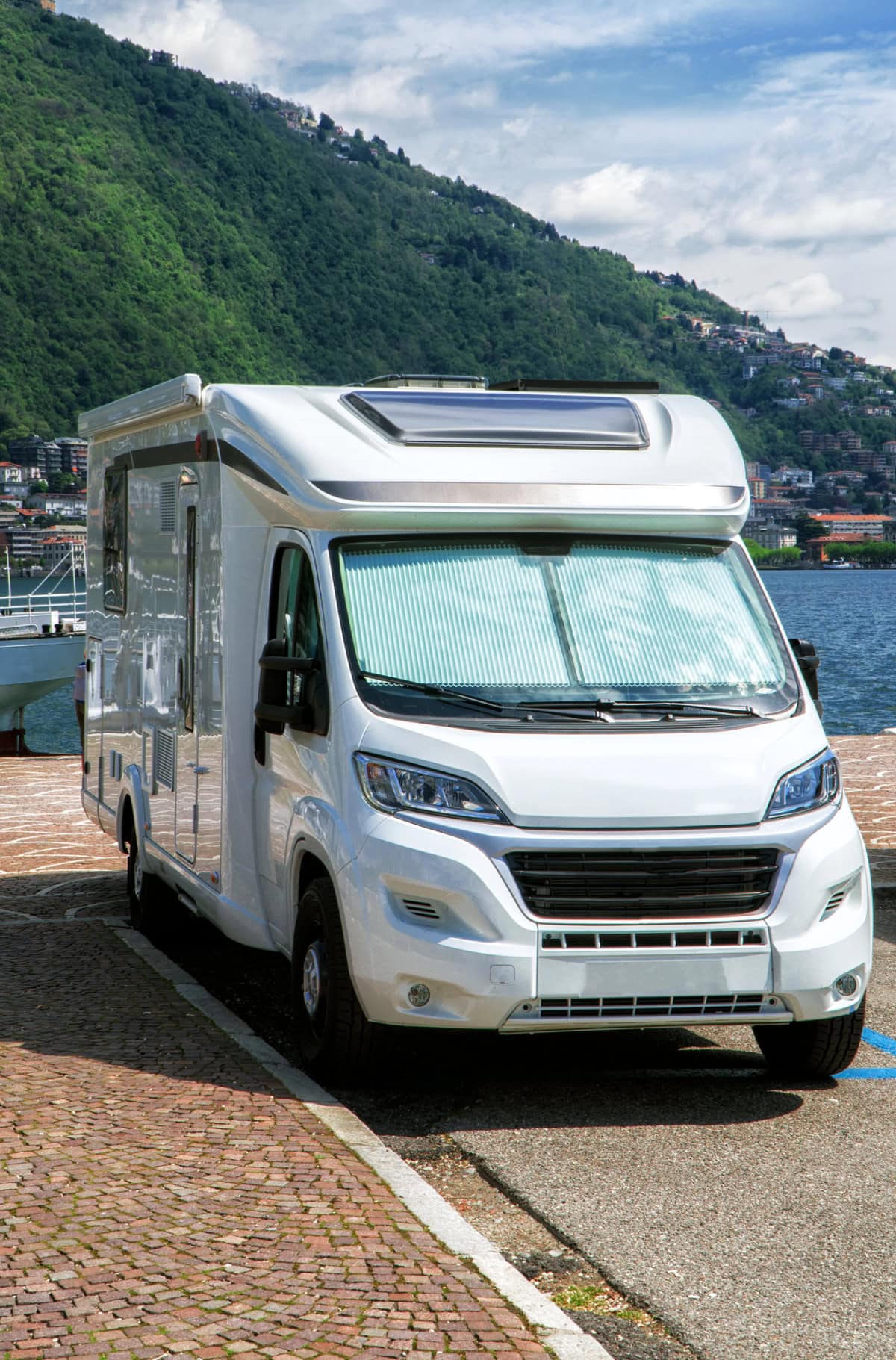
A motorhome suits this lifestyle because everything has a purpose. You already have seating, storage, power and shelter in one compact space. With a few smart changes, your dining area can become a comfortable workstation during the day and switch back to a relaxing living space in the evening.
Designing a practical workspace inside a motorhome
The best setup usually starts with choosing the right place to work inside the vehicle. Most people find the dinette area easiest because it already includes seating and a table, but it’s important to consider posture.
If your chair leaves you hunched over after two hours, you will feel it quickly on longer workdays. A slim laptop riser and a wireless keyboard can make a surprising difference in a small space.
Storage also needs careful thought because clutter builds up fast in compact interiors. Drawer organisers, under-seat compartments and fold-away desks help you keep cables, notebooks and equipment tidy without turning the living area into a permanent office.
Natural light makes long video calls and admin work far easier, too. Park with windows facing daylight where possible, and use warm LED lighting in darker months so the space still feels comfortable after sunset.
Connectivity and power make remote working realistic
Reliable internet matters more than almost anything else when you work on the road. Some people rely on unlimited 4G or 5G data plans alongside portable routers, while others invest in satellite systems for remote areas with weak coverage. Before travelling, check local signal maps to avoid unpleasant surprises before an important meeting.
Power management also becomes part of daily life. Solar panels and upgraded leisure batteries help you work for longer without constantly searching for campsites with hook-ups. An inverter allows you to charge laptops and monitors safely, which becomes especially useful during back-to-back working days.
Legal, practical and insurance considerations
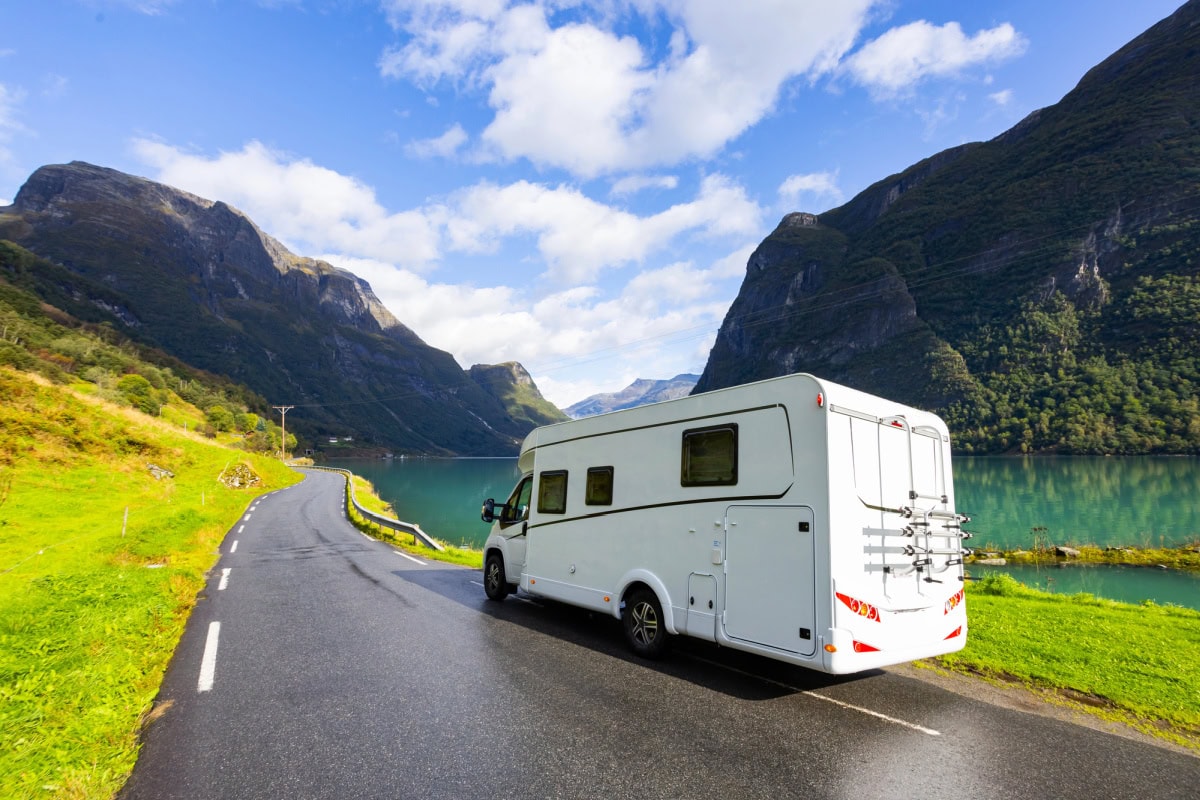
Working while travelling sounds carefree, but it still comes with responsibilities. You need secure parking, safe storage for expensive tech and clear boundaries between work and downtime. Public Wi-Fi may seem convenient, yet many people prefer secure mobile networks when handling client information or financial data.
It is also worth reviewing your cover carefully if you spend long periods living and working on the road. The right motorhome insurance can help protect the vehicle and the equipment you rely on every day.
Staying organized without burning out
Routine keeps this lifestyle enjoyable. Many experienced travellers stick to regular working hours and avoid answering emails late into the evening simply because the office sits a few feet from the bed.
Small habits help you switch off mentally too. A short walk after work, moving your laptop out of sight or changing the seating layout can create a clear break between your job and your travel time. That separation makes life on the road feel far more sustainable.

- How to Host a Memorable Gathering Without the Stress - August 15, 2026
- Why Some of the Best Campervan Memories Happen After the Engine Is Turned Off - August 14, 2026
- Simple Ways to Support Your Grandparents - August 14, 2026