The mistake many homeowners tend to make is that they focus on their main residence and sometimes forget that the rest of their property is open to so much potential. Many people tend to overlook their outbuilding, which can result in it being an eyesore, but outbuildings don’t have to be this way.
Whether you want to use it as a shed, a workshop, or a place to relax, putting some time into the choice and upkeep of your outbuilding can drastically improve your outdoor space and your landscape. The key is thoughtful design, material selection, and strategic placement.
Why Outbuilding Aesthetics Matter
Your outbuilding needs to be seen as a part of your property as a whole. When visitors drive up to your home, they see the entire landscape, not just the main house. A well-designed outbuilding enhances curb appeal, increases property value, and creates a cohesive, intentional look across your outdoor space. Conversely, a mismatched or poorly maintained structure can detract from even the most beautiful backyard.
Do you want to know the good news? With some planning and creativity, you can create an outbuilding that looks like it was always meant to be there.
Understanding Your Landscape Style
Before selecting your outbuilding design, take time to understand your existing landscape aesthetic. You need to work out whether you are working with a modern minimalist garden, or a rustic countryside setting with an arch-building design, or do you want it to look more like a cottage-inspired yard? Your outbuilding should echo these design elements rather than clash with them.
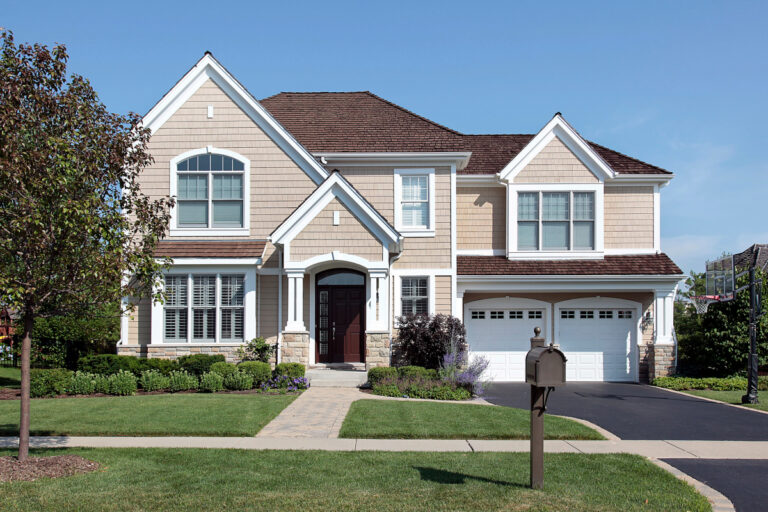
Take into consideration your home’s architecture as well. A traditional colonial home paired with a sleek, contemporary metal shed creates visual tension. Instead, think about how traditional materials like wood shingles or complementary side colors can bridge the gap between your home and outbuilding, creating visual harmony.
Outbuilding Designs and Approaches
There’s no one-size-fits-all outbuilding, which is excellent news for creativity. Here are several popular design approaches:
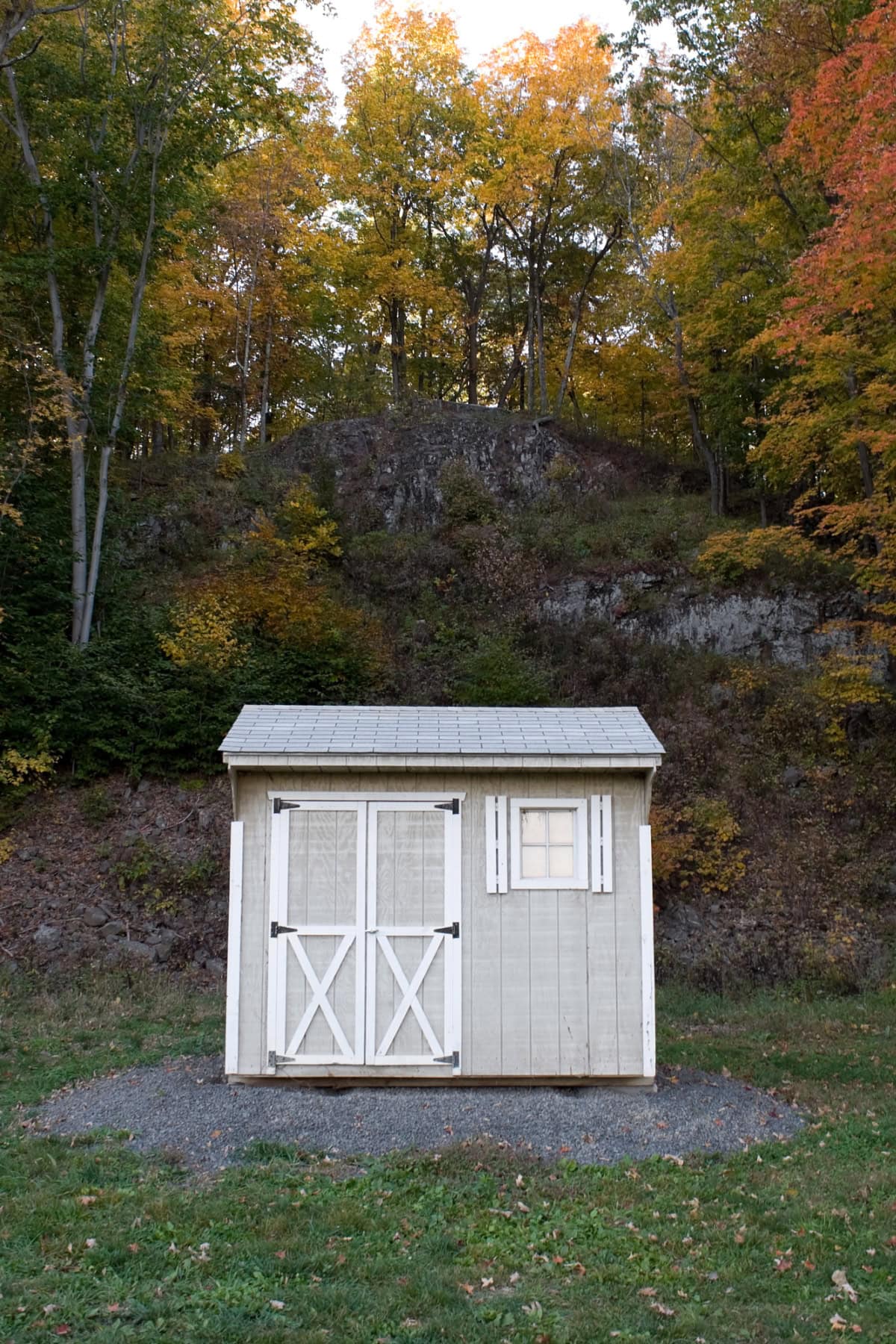
Classic Barn-Style Structures: Barn designs with peaked roofs and board-and-batten siding work beautifully in rural and cottage-inspired settings. These structures offer excellent storage capacity and have timeless appeal. They’re particularly effective when painted to match or complement your home’s color scheme.
Modern Minimalist Sheds: Featuring clean lines, flat or low-pitched roofs, and materials like metal, composite, or stained wood, modern sheds suit contemporary homes and landscaping. These designs often incorporate large windows or glass panels, making them feel less like storage boxes and more like intentional garden structures.
Garden Studio Designs: If your outbuilding will serve creative purposes, consider a garden studio approach. These often feature generous windows, elevated designs, and refined finishes that make them seem like extensions of your living space rather than mere storage.
Japanese-Inspired Structures: For those seeking unique aesthetics, Japanese design elements, including curved rooflines, natural materials, and careful placement among plantings, create stunning focal points that feel organic within the landscape.
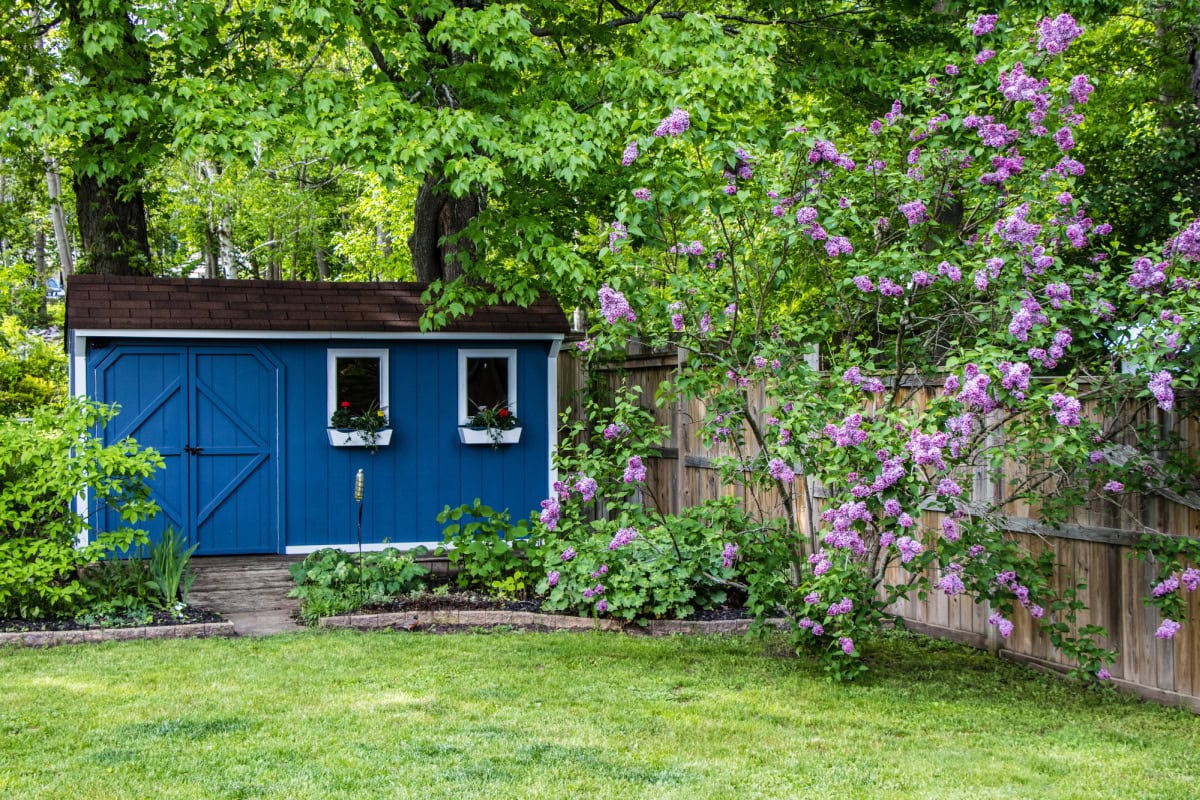
Cottage-Style Outbuildings: Think charming and character-filled. Cottage-style sheds often feature arched roofs, decorative trims, window boxes, and warm paint colors. They work wonderfully in suburban and rural settings, especially when surrounded by flower gardens or climbing vines.
Material Selection and Color Coordination
The choice you make in material will make a drastic difference in how well your design fits in with your landscape. Wood tends to offer a warmer, more natural beauty to designs; meanwhile, if you are looking more for a modern material, you may want to go towards a metal structure. Steel outbuilding designs like Quonsets have the ability to adapt to landscapes and can be modified to suit your needs on your property. Stone or brick creates permanence and elegance, though it’s typically more expensive.
Color coordination is critical. Pull paint samples from your home’s exterior and test them on your outbuilding design. Make sure to choose colors that harmonize with the overall look of your home. Whether that is grey tones, warm neutrals, or earthy tones.
Strategic Placement and Landscaping
Even if you match your outbuilding design to match your overall aesthetic, its placement also plays a large role. Position your structure where it’s visible but not the dominant focal point unless it’s intentionally designed to be.
You can integrate it with nature to help it blend in more if that’s your desired look by planting climbing vines on trellises or creating shrub borders. This will soften the building’s impact and help it feel like part of the natural landscape rather than an afterthought.
Pathways, lighting, and hardscaping elements should also complement your outbuilding’s design. A modern shed pairs well with geometric pavers, while a cottage-style structure benefits from curved, organic pathways lined with perennials.
Keeping your overall aesthetic look in mind throughout your entire design process will help you design an outbuilding that complements your property to add to its appeal. From the materials to the colors, they all will impact the end result.
It is important to make sure that you are designing with a purpose as well. Make sure the investment is used and needed on your property. Whether that is to use the outbuilding as a gardening shed or even an art studio, make sure it gets used year-round to ensure it’s not a waste of time.

- Aesthetic Appeal: Making Your Outbuilding Complement Your Landscape - August 13, 2026
- What to Consider Before Filing for Divorce Yourself - August 13, 2026
- Crafting Your Perfect Travel Experience Online - August 13, 2026