Family jewelry picks up more than sentimental value over time. Lotions, cooking oils, sweat, and everyday handling leave behind a film that dulls even the brightest stones and metals. Beyond grime, small habits like tossing rings into a crowded drawer can lead to scratches, tangled chains, or bent prongs.
The good news is that most of this wear is entirely preventable. Keeping jewelry looking its best and staying intact doesn't require a trip to the jeweler. With a few simple cleaning techniques and smarter storage choices, anyone can protect the pieces their family treasures most.
Safe Cleaning Methods by Jewelry Type
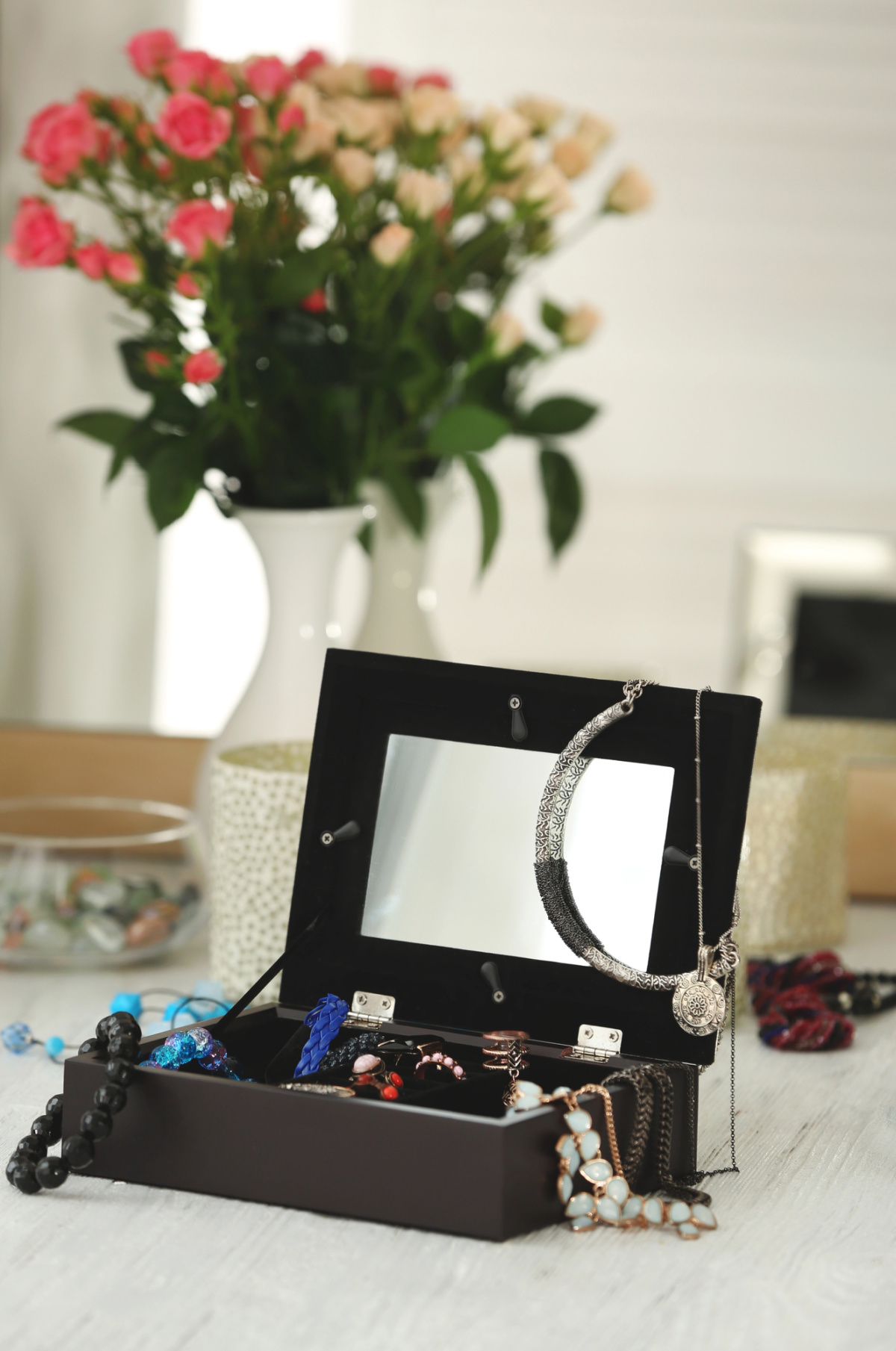
Each type of jewelry responds differently to cleaning, so what works for a gold ring could easily ruin a strand of pearls. Knowing the right approach for each material is the first step toward keeping everything in good condition.
Gold is one of the easier metals to care for at home. A bowl of warm water with a few drops of mild dish soap does the job well. After soaking for about 15 minutes, a soft cloth or very gentle brush can remove buildup from crevices. The key is to avoid anything abrasive, since rough scrubbing can leave fine scratches on the surface over time.
Silver requires a bit more attention because it tarnishes faster than gold. Exposure to air, moisture, and sulfur compounds in the environment causes that familiar dark discoloration. A paste made from baking soda and water, applied with a soft cloth, can lift light tarnish effectively. For heavier buildup, the aluminum foil method works well: lining a bowl with foil, adding hot water and baking soda, and letting the chemical reaction do the work.
Pearls and delicate stones need the gentlest treatment of all. A slightly damp cloth is usually enough, and soaking should be avoided entirely. Chemical cleaners, perfumes, and even chlorine from swimming pools can cause lasting chemical damage to these softer materials. Earrings, especially flat-back styles, also need careful handling when putting them on or taking them off, and there are simple and safe ways to remove them without bending posts or irritating skin.
It is also worth noting that ultrasonic cleaners, while popular, are not safe for plated pieces or softer stones like opals and emeralds.
Daily Habits That Prevent Damage
Cleaning jewelry regularly helps, but prevention is what keeps pieces looking their best between those sessions. A few small daily habits can significantly reduce the scratches, tarnish, and wear that build up over time.
One of the simplest rules is to remove jewelry before:
- Showering or bathing
- Swimming in pools or the ocean
- Exercising or playing sports
- Sleeping
Water, chlorine, and sweat all accelerate tarnishing, and physical activity increases the risk of impact or snagging. Even sleeping in rings or bracelets can bend delicate settings without anyone realizing it.
Timing matters with beauty products too. Lotions, sunscreen, and perfume should go on first, with a minute or two to absorb before putting any jewelry on. This small buffer prevents chemical damage from direct contact with metals and stones.
Having a designated spot for removed pieces also makes a real difference. A small dish or tray in a consistent location reduces the chance of misplacing items. It also keeps jewelry away from curious pets or young children who might grab a bracelet off a counter. Just like there are simple solutions for household items that tend to get overlooked, a dedicated jewelry spot solves a problem most families don't think about until something goes missing.
Hypoallergenic and sensitive pieces deserve extra caution as well. Prolonged contact with moisture, especially trapped under a ring or watchband, can irritate skin and degrade certain finishes faster than expected.
How to Store Jewelry Safely at Home
Good cleaning habits and daily routines only go so far if jewelry ends up piled together in a single drawer afterward. How pieces are stored between wears plays an equally important role in preventing damage.
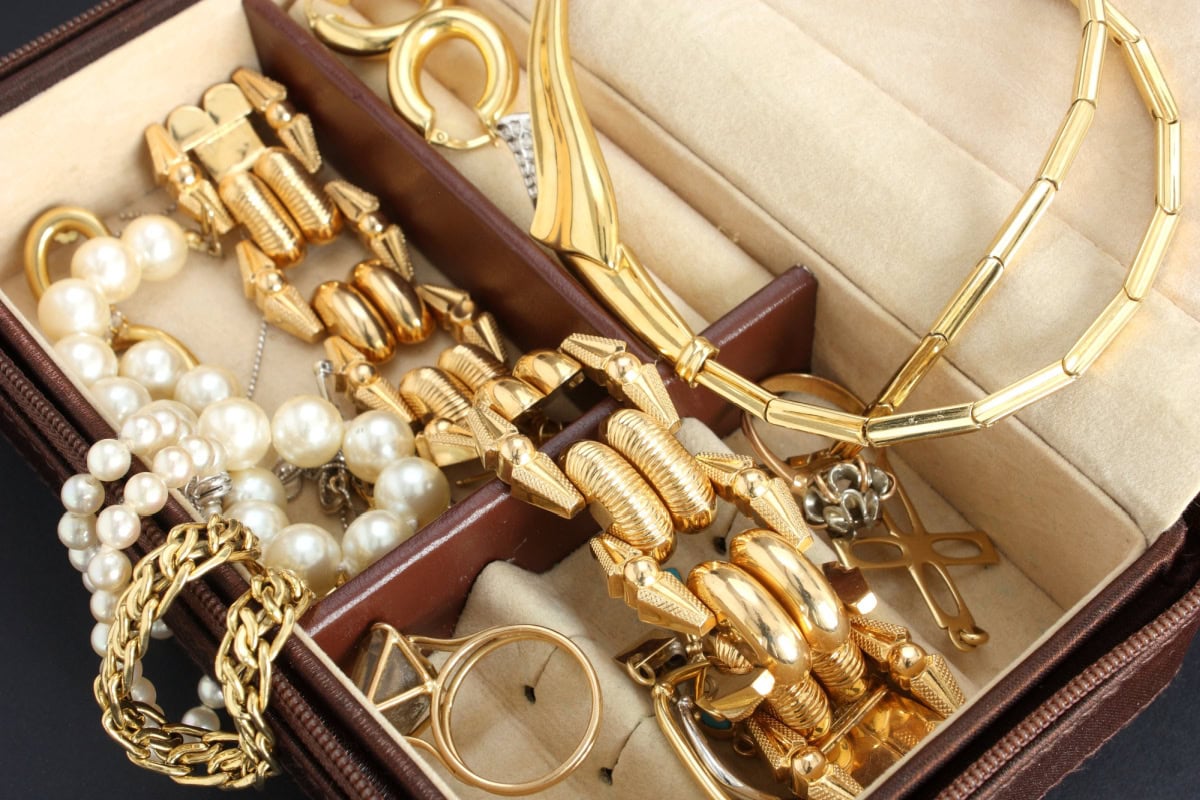
A jewelry box with separate compartments is the most practical starting point. Dividers keep chains from tangling and stop harder stones from scratching softer metals. For particularly delicate or high-value items, placing each one inside its own soft pouch adds another layer of protection against surface contact.
Tarnish prevention extends into storage as well. Dropping a few anti-tarnish strips into storage containers slows the oxidation process that darkens silver over time. These strips absorb sulfur compounds in the air, so pieces stay brighter between cleanings with minimal effort.
The environment around the storage spot matters too. Humidity speeds up tarnishing and can weaken certain adhesives used in costume or vintage jewelry. Bathrooms are the worst offenders, so a bedroom closet or dresser drawer is a far better choice. In especially humid climates, tucking silica gel packets near stored pieces helps absorb excess moisture.
For anything with significant monetary or sentimental value, a home safe is worth the investment. Bolting it to the floor and placing it somewhere other than the master bedroom makes it harder for a potential intruder to locate quickly. Keeping your home safe involves thinking about security in layers, and jewelry storage is part of that picture.
When traveling, a compact travel jewelry case keeps pieces organized and protected. Packing it in a carry-on rather than checked luggage reduces the risk of loss or rough handling during transit.
A helpful way to think about all of this is a simple 2:1:1 approach: daily-wear pieces stay somewhere accessible, occasional items go in a lined jewelry box, and high-value heirlooms live in the safe. That way, everything has a place that matches how often it is worn and how much it is worth.
Document and Insure What Matters Most
Even the best safe cannot protect against every scenario. Fires, floods, and theft can happen despite careful precautions, which is why a thorough jewelry inventory serves as the next layer of defense.
Creating one is straightforward. Photographs of each piece, saved alongside receipts, appraisals, and written descriptions, form a reliable record. Storing that inventory both digitally in the cloud and as a physical copy in a separate location ensures it survives whatever might happen to the originals.
Where most families run into trouble is on the insurance side. A standard homeowners policy limits homeowners policy jewelry coverage limits payouts for jewelry theft to roughly $1,500, which rarely covers even one meaningful piece. Specialty jewelry insurance through providers like Jewelers Mutual fills that gap, covering loss, accidental damage, and even mysterious disappearance.
Values shift over time, too. Gold prices fluctuate, gemstone markets evolve, and vintage pieces often appreciate faster than expected. Re-appraising valuable items every few years keeps coverage aligned with what they are actually worth, not what someone paid a decade ago.
A Little Care Goes a Long Way
Protecting family jewelry doesn't require expensive tools or professional visits. Gentle cleaning, smart daily habits, proper storage, and basic documentation are all it takes to keep treasured pieces safe for years to come.
The sentimental value these items carry far outlasts their monetary worth, which makes even the smallest effort feel worthwhile. Once these routines settle into place, they become second nature, taking only moments out of each day. A little consistency now means the next generation gets to enjoy those same pieces just as much.

- 4 Easy Fixes For A Cozy Living Room - June 4, 2026
- 4 Easy Swaps For A Healthier Home - June 4, 2026
- 4 Easy Ways To Reconnect with Family - June 4, 2026