Finding low-stress, screen-free family activities that work for both adults and older kids can feel incredibly difficult after a long day.
It is common for everyone to simply retreat to their own devices after dinner or during school breaks.
The mental energy required to plan an elaborate group activity often outweighs the desire to connect.
However, creating meaningful shared moments does not have to be a complicated or exhausting process.
Modern family schedules often leave very little room for natural connection during the workweek.
Studies show that about 40 percent of families eat together less than three times a week.
Fortunately, between 40 percent and 47 percent of families report managing to share one meal on most days.
Maximizing the time right after these shared meals is the secret to building stronger household bonds.
Gathering around the table brings numerous physical and mental benefits to everyone involved.
Research shows that family meals typically involve more fruits and vegetables than fast food options.
Beyond the dinner plates, introducing easy hobbies for moms and caregivers provides gentle ways to share space and conversation.
Keeping simple ideas ready makes it much easier to navigate unexpected rainy weekend afternoons together.

1. The Quiet Magic Of Guided Crochet
There is a specific, quiet magic in sitting side by side with yarn in hand. When you introduce a craft like crochet to your household, the shared focus creates natural space for conversation.
The meditative rhythm of repetitive stitching allows everyone to unwind together peacefully. This makes it an unexpectedly approachable family activity built on slow, deliberate progress.
Families often stall out when trying to pick up this hobby because sourcing supplies independently feels overwhelming.
For families picking up a hook for the first time, The Woobles’ whimsical crochet kits for beginners provide a thoughtfully assembled starting point.
You can also explore beginner sections at local craft stores or basic yarn bundles as alternatives.
Having guided choices ensures you have pre-started pieces and step-by-step video tutorials ready to go without any frustration.
This activity works beautifully for families because the pace is completely forgiving and entirely self-directed.
A child can stitch for ten minutes and wander off, while a parent might keep going for an hour.
Having the shared goal of completing a small, cute character gives the session gentle shape without any lingering performance pressure.
The result is something holdable, real, and instantly rewarding for everyone involved.
Pulling out yarn fits perfectly into quiet evening routines or rainy afternoon resets. It provides a highly productive, tactile container for restless energy.
This works perfectly when the household just needs to slow down and make something together. It serves as a gentle bridge between chaotic days and peaceful bedtimes.
2. The Joy Of Simple Baking Projects
When it comes to the kitchen, it helps to separate impressive baking from connecting baking. The goal here is simply the warmth of the room and the shared task of measuring ingredients.
You want to focus on the simple joy of eating something together rather than achieving a photogenic result. Celebrating imperfection is entirely the point of this shared time.
Simple baking with kids works incredibly well because it relies on a built-in reward structure. Everyone gets to eat exactly what they make at the end of the session.
It also encourages natural role-sharing without forcing any rigid cooperation rules. A quiet teenager will often appear in the kitchen for warm cookies without ever being asked.
To keep the barrier to entry low, stick to standard pantry staples like flour, sugar, butter, and eggs. Choose an incredibly forgiving recipe like one-bowl brownies or simple drop cookies.
Explicitly validating the shortcut of a boxed mix removes the pressure to perform and keeps the beginner-friendliness very high.
The activity can be scaled for any age, provided an adult stays nearby for the oven tasks.
This type of low-stakes kitchen time is ideal for lazy weekend mornings or an after-dinner wind-down.
It is also perfect for rainy afternoon plans that unexpectedly fell through. Multigenerational visits benefit greatly when everyone needs something easy to do together in one room.
Normalize the lumpy batter and the unevenly shaped cookies to make it truly stress-free.
3. The Zero Pressure Printable Craft Corner
Sometimes households become overstimulated, and everyone simply needs a quick pressure release valve.
Gathering around a table with paper and colors serves as a powerful sensory reset.
It is a low-demand creative activity that keeps hands occupied while making conversation completely optional.
This requires absolutely zero skill or forced enthusiasm from anyone participating.
This works as a family activity because it is undemanding and genuinely cross-generational.
Side-by-side coloring opens up a comfortable environment where family members can chat freely or sit in companionable silence.
It scales perfectly to the time you have available during any part of the day. You can use a quick fifteen-minute window before bed or stretch it across a slow two-hour afternoon.
The supplies require almost no effort to gather and organize beforehand. You only need a printer for free downloadable sheets alongside basic crayons, markers, or colored pencils.
We highly suggest keeping a ready folder of favorite coloring pages for families or simple printable paper crafts.
Having foldable animals or fortune tellers tucked away for impulse use means setup takes thirty seconds.
When it comes to beginner craft ideas, the accessibility here is absolutely universal. Everyone knows how to color, and older kids naturally step into a helper role with younger siblings.
Pull this out during a post-school wind-down or on rainy afternoons when restless energy needs a quiet container.
Finished pages easily become instant fridge art or surprise mail to drop in the post for grandparents.
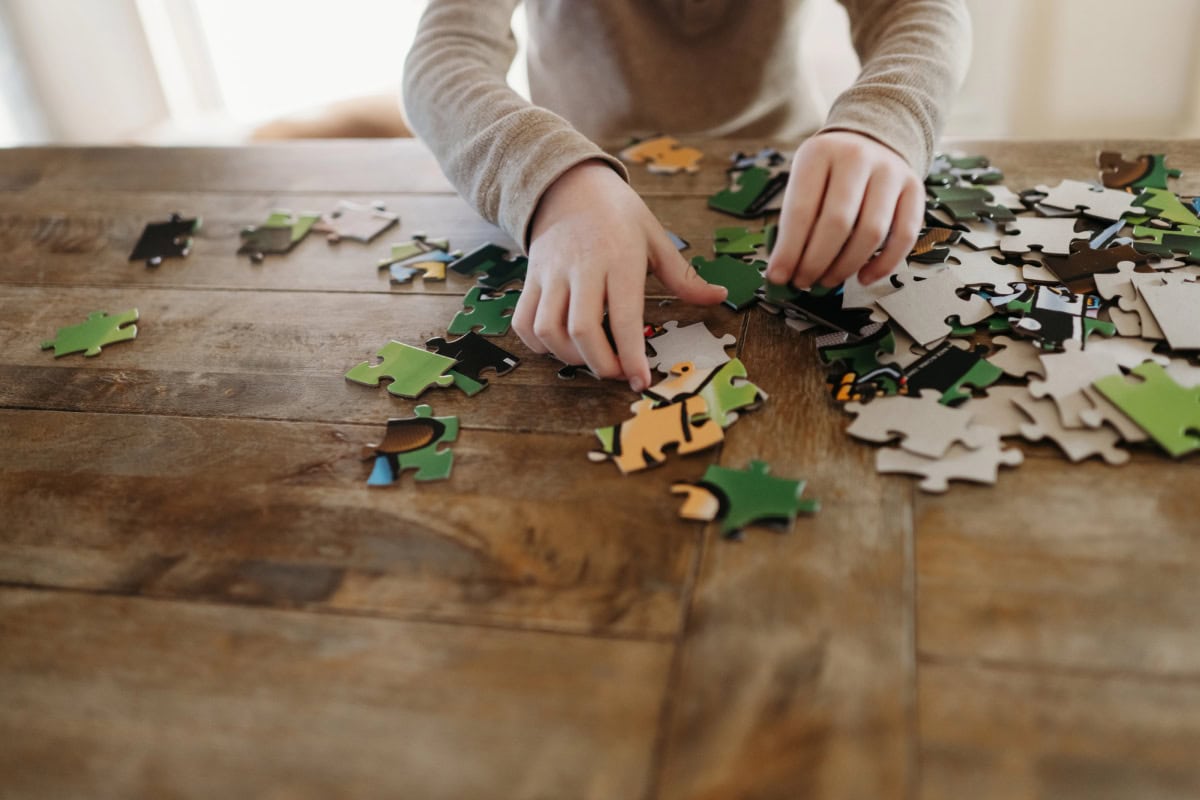
4. The Slow Down Of Tabletop Puzzles
There is a distinct, low-pressure invitation in a jigsaw puzzle left out on a living room side table.
People tend to drift toward it without being summoned, picking up a piece or two as they walk by.
Compared to the faster energy of card games, tabletop puzzles are masters of indirect connection. These classic options reduce social pressure while creating a shared point of focus.
A child or teenager who might shut down when asked directly about their day will often open up. This happens completely naturally while they are searching for edge pieces alongside you.
Meanwhile, card games generate easy laughter and low-stakes competition. Neither option demands deep emotional availability from anyone sitting at the table.
You only need one or two jigsaw puzzles scaled for mixed ages to get started.
Typically, 300 to 500 pieces work best for a broad group, while a quick 100-piece version suits shorter attention spans.
A standard deck of playing cards easily rounds out your essential entertainment supplies. Adding a roll-up puzzle mat makes it incredibly easy to leave the project mid-session.
The beginner-friendliness of these tabletop activities is essentially absolute. Most simple card games can be explained in under two minutes to new players.
These are perfect screen-free family activities to combat hot summer afternoons or endless summer break boredom.
They celebrate the particular comfort of parallel play without the heavy pressure of performing togetherness out loud.
| Pro Tip: Leave a jigsaw puzzle out on a side table in a common area. People tend to drift over and connect without pressure, picking up a piece or two as they walk by, making it an effortless invitation to spend time together. |
The Bottom Line
The common thread woven through all of these activities is the permission to be imperfect together.
It is entirely fine if the cookies come out a little lopsided or if the stitches are slightly wobbly. Having a puzzle remain half-finished by bedtime is also a perfectly acceptable outcome.
What actually stays with your family is the feeling of slowing down and lingering in the same room.
You do not need to overhaul your household schedule to make this happen successfully. Just choose one activity from this list to try at home this week.
Leave a few puzzle pieces out on the coffee table or set brownie ingredients on the counter. You could also print a fresh coloring page or pass around a beginner craft kit after dinner.
These family bonding ideas at home are not special occasions that require intense planning. They are simple, quiet evening routines meant to easily fold into your real, everyday life.
By keeping these options accessible, you create natural invitations for connection. Eventually, these small moments of shared time become the highlights of your family week.
| Author Profile: The Woobles is a specialized e-commerce retailer offering beginner-friendly crochet kits designed to teach complete novices how to crochet through structured, character-based projects. |

- What to Consider in a Sleep Supplement With Melatonin Included - October 26, 2026
- What Happens When Your Reputation Goes on Trial Before You Do? - October 26, 2026
- How to Build a Household Routine That Balances Laundry, Cleaning, and Family Time - October 26, 2026