Supplements have become a cornerstone of modern wellness routines, providing a practical way to address nutritional gaps and support overall health. However, simply taking a capsule or powder doesn’t guarantee your body will absorb the nutrients efficiently. The food you eat, along with supplements, plays a critical role in determining how well your body utilizes vitamins, minerals, and other essential compounds. Strategic pairing can enhance bioavailability—the proportion of a nutrient that enters the bloodstream and becomes usable by the body. Keep reading to learn how to pair supplements with food for better absorption!

HOW TO PAIR SUPPLEMENTS WITH FOOD FOR BETTER ABSORPTION
According to guidance from Serena Loves, a wellness & longevity nutritional practitioner, optimizing supplement absorption begins with understanding how different nutrients interact with specific types of food. The body’s ability to assimilate supplements hinges on timing, meal composition, and the presence or absence of certain substances. Without this insight, even high-quality supplements can lose much of their intended impact.
Fat-Soluble Vitamins Require Dietary Fats to Unlock Their Benefits
Vitamins A, D, E, and K belong to a category known as fat-soluble vitamins. These nutrients dissolve in fat and must be consumed with a source of healthy lipids to be effectively absorbed. Taking these supplements on an empty stomach or with a low-fat snack may significantly reduce their bioavailability.
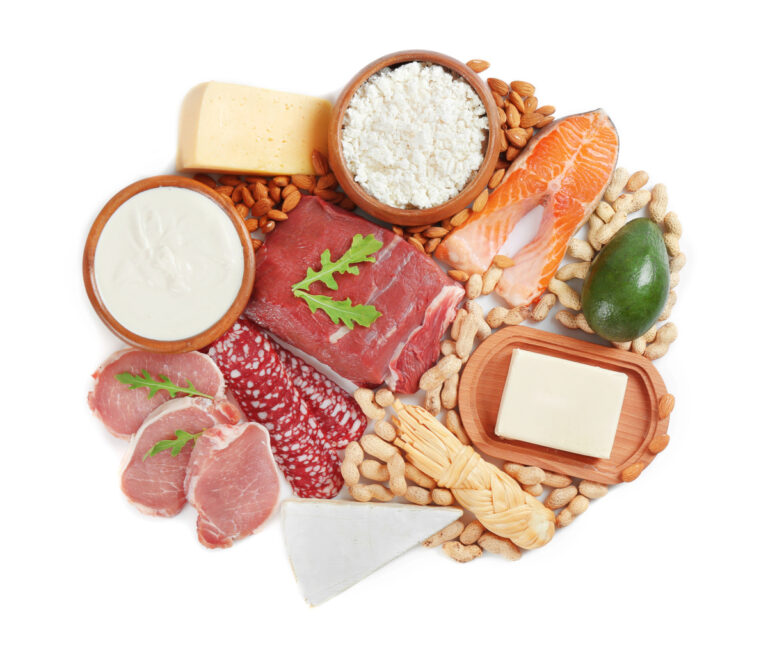
To maximize their effects, combine fat-soluble supplements with whole foods that contain unsaturated fats. Avocados, olive oil, nuts, seeds, or fatty fish like salmon provide excellent pairings. For example, taking a vitamin D softgel with a breakfast of eggs and sautéed spinach in olive oil ensures the nutrient enters the circulation efficiently. Serena consistently emphasizes the importance of aligning supplements with appropriate food groups to support their function in the body.
Minerals Compete for Absorption—Choose Timing Carefully
Minerals such as calcium, magnesium, zinc, and iron often compete for uptake in the intestines. Taking multiple mineral supplements simultaneously can lead to reduced absorption of one or more of them. Instead of grouping them, space out doses throughout the day to minimize interference.
Iron, in particular, is absorbed more effectively when taken with a source of vitamin C. Pairing an iron supplement with a meal containing citrus fruits, bell peppers, or strawberries can significantly enhance its absorption. Conversely, calcium-rich foods can hinder iron uptake. Avoid combining dairy products with iron supplements to prevent nutrient blockage.
Zinc, another essential mineral, can cause nausea on an empty stomach but absorbs best with a light meal that does not include fiber-heavy grains, which can inhibit its effects. Adjusting mineral intake to match the proper meal context ensures each nutrient is fully utilized.

Water-Soluble Vitamins Benefit from Light, Balanced Meals
Vitamin C and B-complex vitamins are best dissolved in water and should be taken with a light meal. While they don’t require fat for absorption, they still need stomach acids and digestive enzymes that are more active during eating.
Taking water-soluble vitamins on an empty stomach can sometimes cause mild discomfort or even nausea. Combining them with fruit, toast, or yogurt can stabilize absorption and prevent adverse effects. Pairing strategies for these vitamins often include easy, whole-food meals that help stabilize blood sugar while supporting nutrient absorption.
Probiotics and Prebiotic Foods Work Better Together
Probiotics are living microorganisms that support gut health, but their benefits depend on survival through the digestive tract. Taking them with a meal, especially one rich in prebiotic fiber, helps protect the live cultures from stomach acid and provides them with the fuel needed to thrive in the intestines.
Prebiotics include foods like onions, garlic, asparagus, leeks, bananas, and oats. Including these foods with or shortly after a probiotic supplement improves the colonization of beneficial bacteria. This symbiotic approach can enhance digestion, nutrient absorption, and even immune response.
Some strains of probiotics are more effective when taken with dairy or fermented foods, as these foods provide a buffering effect that aids in microbial survival. Nutritional guidance on Serena often encourages combining probiotics and prebiotics with specific meals to maximize their gut-balancing properties.
Avoiding Common Inhibitors That Block Nutrient Absorption
Certain foods, beverages, and medications can interfere with the absorption of specific supplements. For instance, coffee and tea contain polyphenols and tannins, which can inhibit the uptake of iron and calcium. Taking supplements within an hour of consuming these drinks may lead to suboptimal results.
High-fiber meals can reduce the effectiveness of some mineral and vitamin supplements. While fiber supports digestion, excessive amounts can bind to nutrients and carry them out of the body before they are absorbed. Timing fiber intake separately from supplement use can help maintain nutrient efficiency.

Creating a Sustainable Supplement-Food Routine
Maximizing supplement absorption requires more than just taking pills on schedule—it calls for a deeper understanding of nutrient behavior and how it interacts with real food. Minor adjustments, such as adding a teaspoon of oil to your salad when taking vitamin E or eating an orange alongside an iron capsule, can significantly boost nutrient uptake.
This kind of intentional pairing fosters better energy, immune strength, and skin clarity over time. Rather than overwhelming the body with isolated nutrients, syncing supplements with meals that enhance their effectiveness promotes long-term health.
Implementing Smart Pairing Without Complicating Your Day
Incorporating supplement-food pairing into your daily routine doesn’t require a complete lifestyle overhaul. Begin with a few practical changes, such as grouping morning vitamins with a nutritious breakfast or spacing minerals across meals, and observe how your body responds.
Track energy levels, digestive comfort, and sleep quality to identify which combinations support your well-being most effectively. Over time, using supplements intuitively will become second nature, enabling your body to optimize the benefits of each nutrient you consume.

- Why You Should Keep Employment Records to Protect Your Financial Interests - October 30, 2026
- How to Create a Stable Home Environment After a Major Life Change - October 30, 2026
- How to Make Your Home Safer for Family Members With Limited Mobility - October 30, 2026