Adjusting a residence to be accessible and comfortable for residents with limited physical movement is a significant way to support their health and autonomy. Mobility difficulties arise from aging, surgical recovery, medical conditions or permanent disabilities. A thorough strategy for home modification is effective because it lowers the chance of falls, decreases physical stress and removes daily obstacles. Converting a standard house into a supportive environment is possible – examining the property closely. Residents feel secure when you identify physical barriers and implement architectural or technological changes.
Identify Hazards Throughout the Home
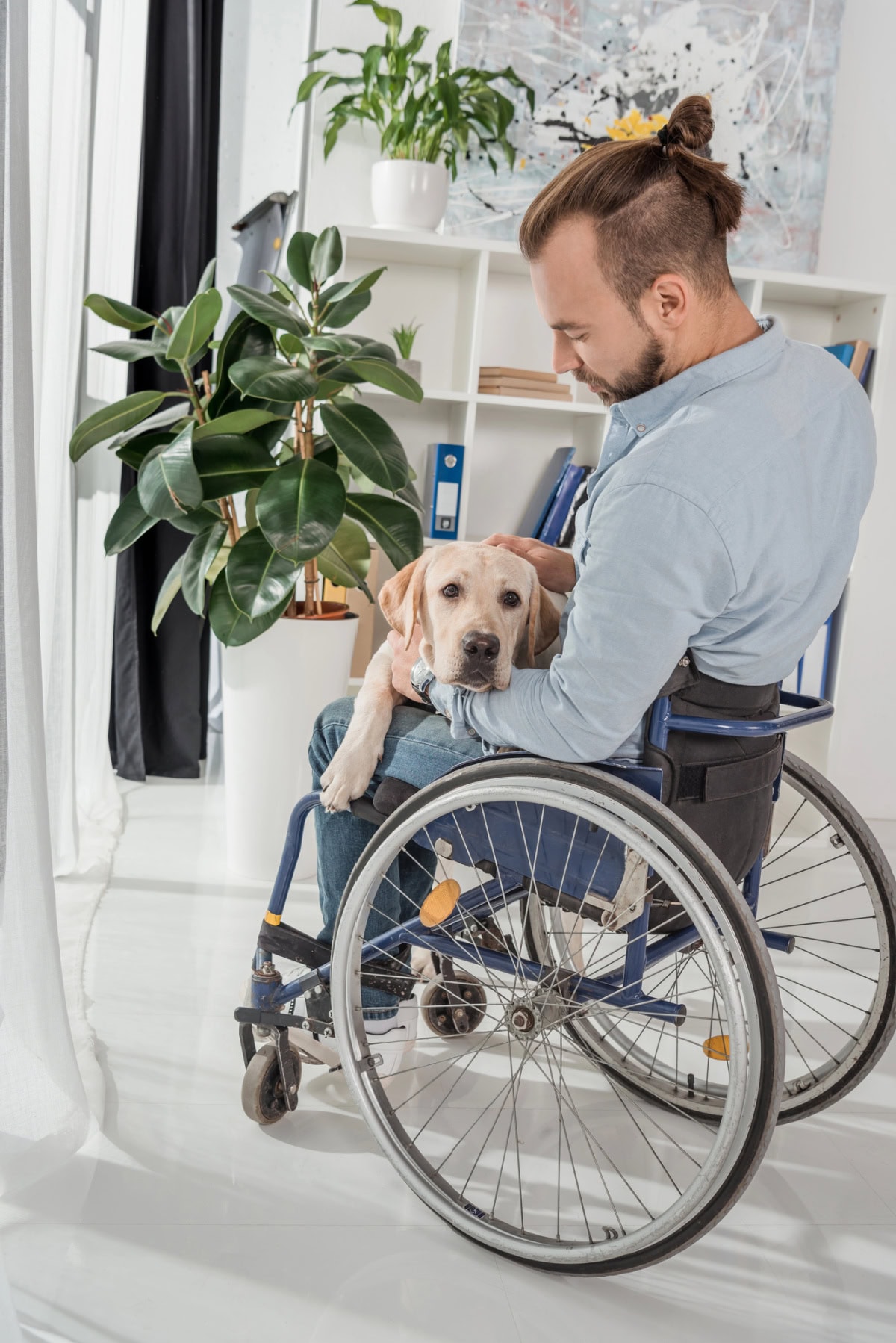
The first step is a detailed evaluation. Family members should walk around the house and pinpoint places where someone could stumble or fall, slip on the floor, or have difficulty getting around the house independently. The hazards might be as simple as a rug, electrical cords, narrow halls, haphazard furniture placement, and uneven flooring. We also tend to spend most of our time in a few select rooms, usually moving between the bed, bath kitchen, and living room, so pay close attention to what this route is like.
In addition, the evaluation should take into account the individual’s specific mobility requirements and their possible future changes. A person who walks with a cane, for example, might need different modifications than someone who depends on a walker or wheelchair. Family members should also identify the specific activities that are challenging and whether support is required to stand, sit, reach or go up and down stairs. An occupational therapist can evaluate the home’s safety, features, and suggest appropriate modifications based on an individual’s ability.
Improve Flooring and Clear Walking Paths
Flooring is a primary factor in stability and energy use inside the home. Thick carpets and loose rugs are common causes of falls. Removing these items or using strong adhesive tape to secure them is a necessary step. Smooth materials, like low pile carpet or slip resistant vinyl, are ideal because they provide traction and are easy for wheelchairs to roll across.
Open paths between rooms are also essential – Furniture is best arranged to create wide corridors between the bedroom, bathroom and kitchen. Removing low tables and unstable chairs is helpful because it prevents trips and ensures residents do not lean on weak objects for balance. Cords are safer when tucked behind cabinets or along walls. Lighting is necessary because poor visibility hides obstacles. Motion-activated lights or bright LED fixtures are excellent for keeping paths visible at all times.
Install Appropriate Lighting
Safe, Effective Lighting Well-lit environments enable individuals to see barriers, assess distances, and navigate from room to room. Trip hazards are increased in inadequately lit stairways hallways entryways, and bathrooms. All of these areas should be well lit, appropriately illuminated, and illuminated with a lighting design that is even so there aren’t unlit or poorly lit areas, and lighting switches should be easy to access. Nightlights can be used along corridors leading to the bathroom or in other areas in the home that will be traversed after dark.
Light switches need to be set so that family members can switch on the lights before entering hazardous areas; for example, a bedroom light switch should be reached from the bed, and light switches near entrances will help to light the room before someone begins to walk through it. Haze and deep shadows should also be eliminated, as they interfere with the ability to determine the difference between the ground and an object. Even lighting in adjacent rooms is helpful for those who have poorer vision, without the need for major modifications.
Make Bathrooms Safer
Bathrooms are often the most hazardous rooms because of water and hard surfaces. Structural changes are necessary to prevent slips. Replacing high bathtubs with curbless showers is a good choice because it removes the need to lift legs over a barrier. Inside the shower, a bench and a handheld showerhead are helpful so that residents can wash while seated.
Grab bars are essential around toilets and showers – These bars are only safe when they are attached to the structural studs of the wall. Towel racks are not strong enough to support the weight of a resident. Higher toilets are beneficial because they require less effort to use. Bidet attachments are also useful for those with limited hand movement. Sinks with open space underneath are better for seated residents because they allow for a comfortable grooming routine.
Improve Stairways and Home Entrances
Safety begins at the main entrance, where exterior stairs and high thresholds are common barriers. Traditional entrances are often hazardous for those using walkers or wheelchairs because they have narrow frames and uneven paths. A sturdy ramp with a gentle slope, rough surfaces and dual handrails is a reliable solution for movement between the outdoors and the interior. Vertical platform lifts are compact alternatives for properties where space or building rules prevent long ramps.
Thresholds are small hazards that are easy to miss – A doorway edge that is even half an inch high is dangerous because it can trip a resident or stop the wheels of a walker. Transition strips that are flush with the floor are better because they create level paths. Doorways are most functional when they are at least thirty-two inches wide so that residents can pass through without hitting the frame. Swing clear hinges are useful because they provide extra width without the need to rebuild walls.
Adapt Bedrooms and Living Areas
The most relaxing height of furniture will depend on the function of the room. In the bedroom a mattress is best when the top sits even with the back of the knees of the person using it; here you can get on and off without putting pressure on your joints. Bed rails are a helpful aid to those getting into or out of bed, and night tables are most useful when they are the same height as the mattress and support lamps that can be easily reached.
Living room seating is improved by firm supports – Low, soft cushions are hard to get out of if you have weak legs. Sturdy arms and high seats on chairs are useful as they offer leverage. Power lift recliners, including lift chairs for seniors, are sophisticated devices that help the resident to get to the standing position. Clear paths around chairs are essential for wheelchair parking without blocking the space.
Choose Helpful Accessibility Equipment
Assistive equipment is safer if it is appropriate for the individual and fitted correctly. Wheelchairs, wheelie walking frames, Zimmer frames, transfer benches, shower chairs, raised toilet seats, grab rails and stair-lifts are all assistive equipment. Every piece of equipment has a specific purpose and families should not buy equipment solely based on looks or recommendations. Equipment that is either too tall, too low, too heavy, does not match the person’s transfers or balance can be more dangerous than doing the task without the equipment. An occupational therapist or physiotherapist can advise on appropriate equipment and how to use it safely.
For individuals who need help traveling beyond the home, a mobility scooter may provide another option for maintaining independence, depending on their needs and ability to operate it safely. Equipment that is in need of repairs or is not properly adjusted can give way at a critical moment when an individual needs support. The rubber tips on canes and walkers should be examined for signs of wear; the brakes on a wheelchair should be able to stop the unit, and grab bars should not be loose. A piece of equipment should be stored in an accessible location that does not impede travel in case of an emergency. Caregivers should evaluate whether an individual is able to transfer independently or if assistance is necessary.
Prepare for Emergencies and Daily Assistance
A safe home can be a source of support for family members should they experience a fall, become unwell or become immobile. Phones should be located in areas where the family spends most of their time and personal emergency response systems may be beneficial for individuals spending time alone. Prepare your family with an easy plan for calling when an emergency and a plan for easy access to contact numbers. Install and maintain smoke alarms and carbon monoxide detectors following current regulations. Keep walkways and exits clear of furniture and mobility equipment.
Families need to know how to help without risking an injury to themselves or the individual with the special needs. For example, pulling an individual up by the arms or trying to lift a person who fell without any support can cause harm. Other things the family can learn are how to transfer a person, when to seek help and how to get help when an individual falls with a more serious problem. Call emergency services rather than risking an incident when an individual has fallen and could have a serious problem.
Maintain a Safe and Accessible Home
Making your home safer for someone with mobility restrictions is not just a matter of doing some renovations and being finished. Strength balance pain, and the type of mobility aids used may change and impact how well the current environment supports a person. Set aside some time to revisit high-risk areas, look for wear and tear on flooring and equipment, and talk through new challenges you notice with the person. Minor modifications, like moving commonly used objects within reach or brightening up a dark hallway, can have a big impact without any construction.
The best adaptations are a mix of those that make the home more manageable, tailored equipment and support that helps maintain independence. Take time to get the person involved to ensure any adaptations are comfortable and appropriate to their daily routines. For more complex needs, an occupational therapist or an accessibility specialist can help you identify what is effective and what needs to be prioritized. Keep pathways clear, improve lighting, adapt entrances and bathrooms, and plan for emergencies to help keep home safer and more secure, leading to greater confidence, less stress and a better quality of life.

- Why You Should Keep Employment Records to Protect Your Financial Interests - October 30, 2026
- How to Create a Stable Home Environment After a Major Life Change - October 30, 2026
- How to Make Your Home Safer for Family Members With Limited Mobility - October 30, 2026