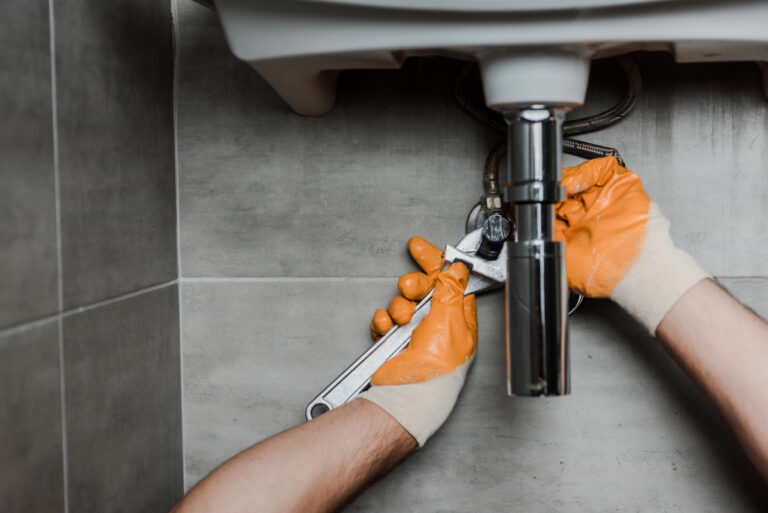
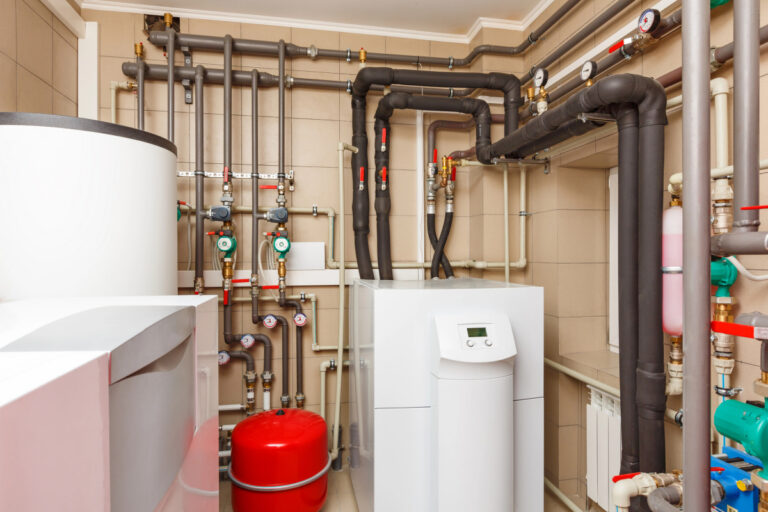
A burst pipe is an expensive home problem that should be fixed in advance. Typically, the best way to do this is to ensure that any pipes at risk of cold exposure are insulated. However, hindsight is 20/20, so if you have a burst pipe problem, you need to know what you can do to handle it now. Here, we’re going to look at the steps you should take, focusing on the most immediate, and then looking at what you can do to hopefully mitigate the costs of repairs.
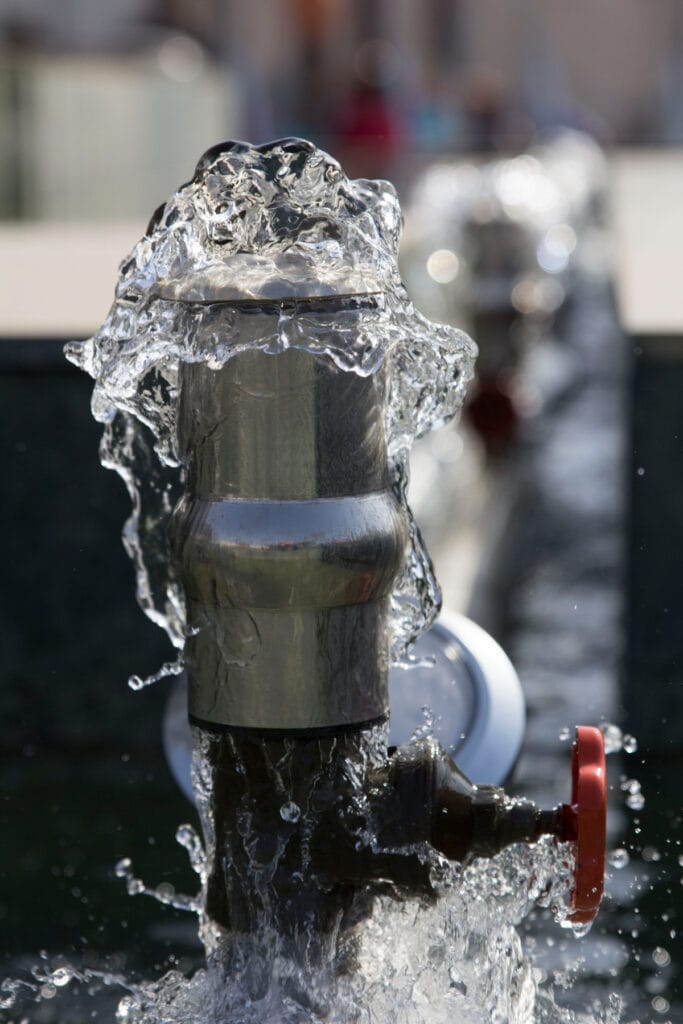
Shut The Water Off
The very first thing that you should do, avoiding the wave of panic that can easily overtake you, is to shut off your home’s main water supply. It’s always a good idea to know where this is in advance, but if you don’t, you should look at where the water line enters your home. This is most often found under the kitchen sink, but it could be in the basement, the crawl space, or the utility room. Turning it off stops water from being supplied to your home, which means it’s not going to keep gushing through your pipes. Reaching it soon enough could prevent thousands of dollars of extra damage being done to the home.
Cut The Power (If Necessary)
It’s not always necessary, but if the water from the burst pipe is anywhere near electrical outlets, your breaker panel, or any appliances that can’t quickly be moved out of the way, you should shut your power off, as well. Water and electricity are a highly dangerous combination. Even if you don’t see any obvious signs of electricity, such as sparking, entering flooded areas with live power could result in electrocution, which is often fatal or at least carries the risk of long-term injuries. If it’s safe to reach the breaker box, turn the power off if necessary. However, you should never reach through or stand in water to turn it off. If you’re not certain about whether or not the panel is already wet, calling your power provider or an electrician can help you find the safest way ahead.
Contain And Control The Water
Once you have the water shut off (and the power, if necessary), you can focus on containing any remaining water. The first thing you should do is turn on the cold taps throughout the home until they stop running, as they can drain excess water from your plumbing system, stopping it from coming out of the pipes even faster and relieving pressure. Then, start using buckets, towels, and mops to soak up any standing water and to catch drips, especially if they’re coming from one floor and down into another. You need to keep going until there is no longer any visible water to catch or dry up. This can significantly reduce the long-term damage.
Call A Water Damage Restoration Specialist
While you’re cleaning up the water, start working to fix the damage as soon as you can, at the same time. Get in touch with a water damage restoration team that can fully assess the extent of the damage and prevent it from spreading any further. These teams can help you remove any water-damaged materials in the home to allow for repairs to be made, and can ensure that any hidden moisture is found, dried, and treated. Water damage can linger behind walls, under floors, and in insulation, so it’s not always safe to assume that you’ve got all the water. If it’s a fairly minor leak, you might not need the professionals out, but in many cases, it’s better not to risk it without them. You will probably want to rent a dumpster to remove ruined items from the home. Try disposal bin rental Toronto if you are in that area.
Don’t Forget The Plumber
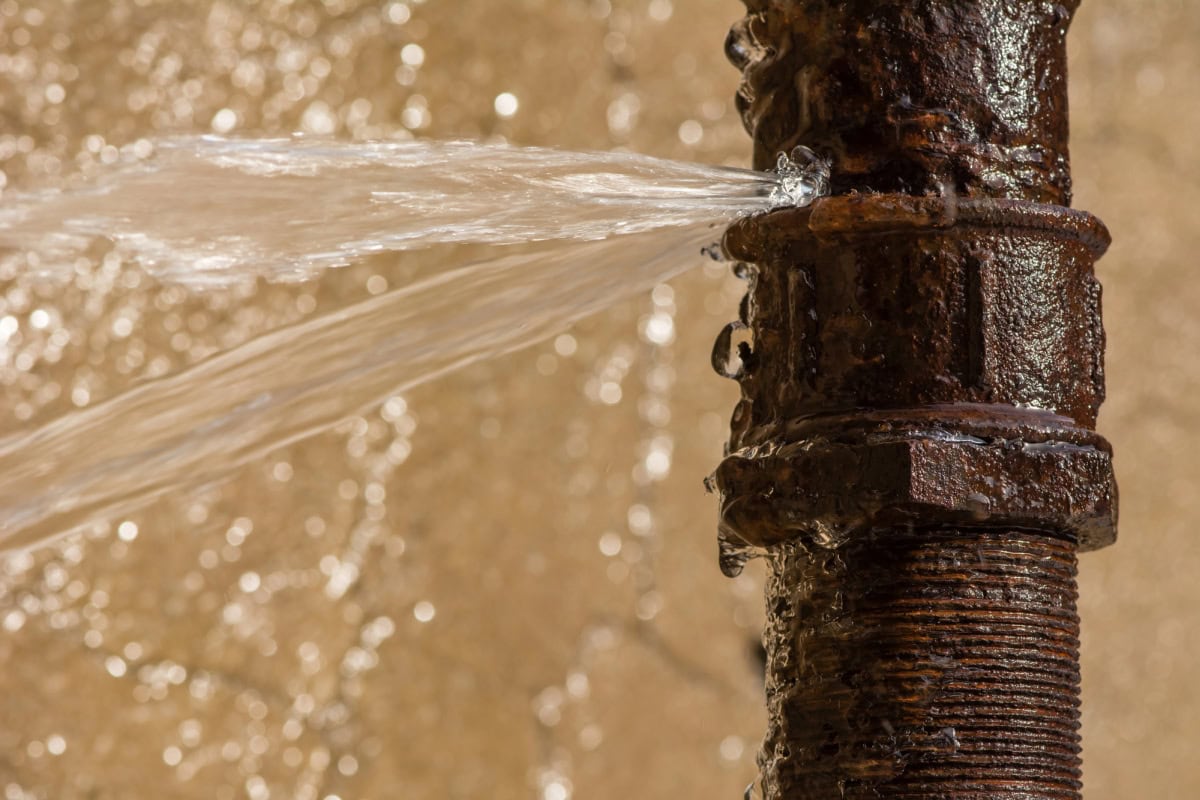
The water damage is going to be your chief concern, but you can’t exactly leave the burst pipe hanging around, either. Contacting a licensed plumber is crucial. They can not only replace any damaged parts in your pipes, but they can also help you identify the cause of the burst. While it’s usually just down to exposure to the cold, corroded pipes or high water pressure can also be issues that need to be addressed. Temporary DIY fixes, such as tape or clamps, aren’t enough and can sometimes even make the problems worse if there are other weak points in your system that need to be addressed.
Get Your Insurance Providers On It
If you have home insurance, which every homeowner should have, then your insurance provider should cover water damage due to burst pipes in most circumstances, unless the damage is deemed your fault. Not every insurance provider is going to cover the cost of replacing the pipe itself, so it’s important to look more closely for that. Either way, you want to ensure you’re getting the most out of a successful claim, so be sure to carefully document the damage done to the home. When the immediate damage is done, take photos and videos of all affected areas and belongings, including floors, ceilings, furniture, and any personal items. Keep any records of repair estimates and invoices, as well as proof of any emergency services you contact. Avoid throwing anything away until your insurance company advises you to do so, unless they pose a safety risk.
Should You Let Your Neighbors Know?
If your home is definitely the only one affected by water damage, you don’t need to tell your neighbors, unless you simply want someone to vent to. However, if you live in an apartment or a closely connected home and there’s a risk of water spreading or dripping into a neighbor’s property, you should tell them as soon as possible. This way, they can also check for damage and take any preventative steps that they need to. Keeping them informed can help you limit disputes and prevent them from having repair bills of their own to worry about.
Burst pipes can become hugely expensive problems in mere moments, so the sooner you get on top of them, the better. With the tips above, you can ensure you’re doing all in your power to contain the damage.

- A Guide to Assessing and Selling Valuable Possessions - July 20, 2026
- How to Inspect an Inflatable Water Slide Before Each Use - July 20, 2026
- Uncovering Health Clues Through Your Hearing - July 18, 2026