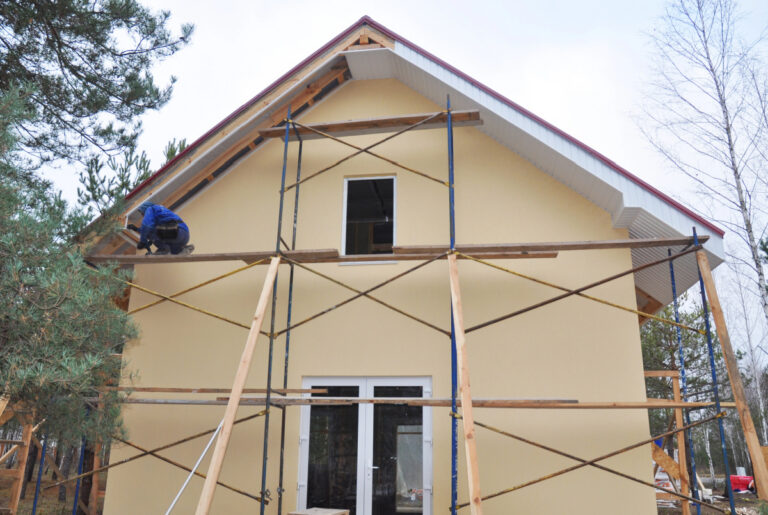
Major home renovations can be daunting, with dust, chaos, expenses, and endless choices slowing progress. Many homeowners succeed by dividing the project into smaller steps. This article explains how phased renovations can make the process far more sustainable.
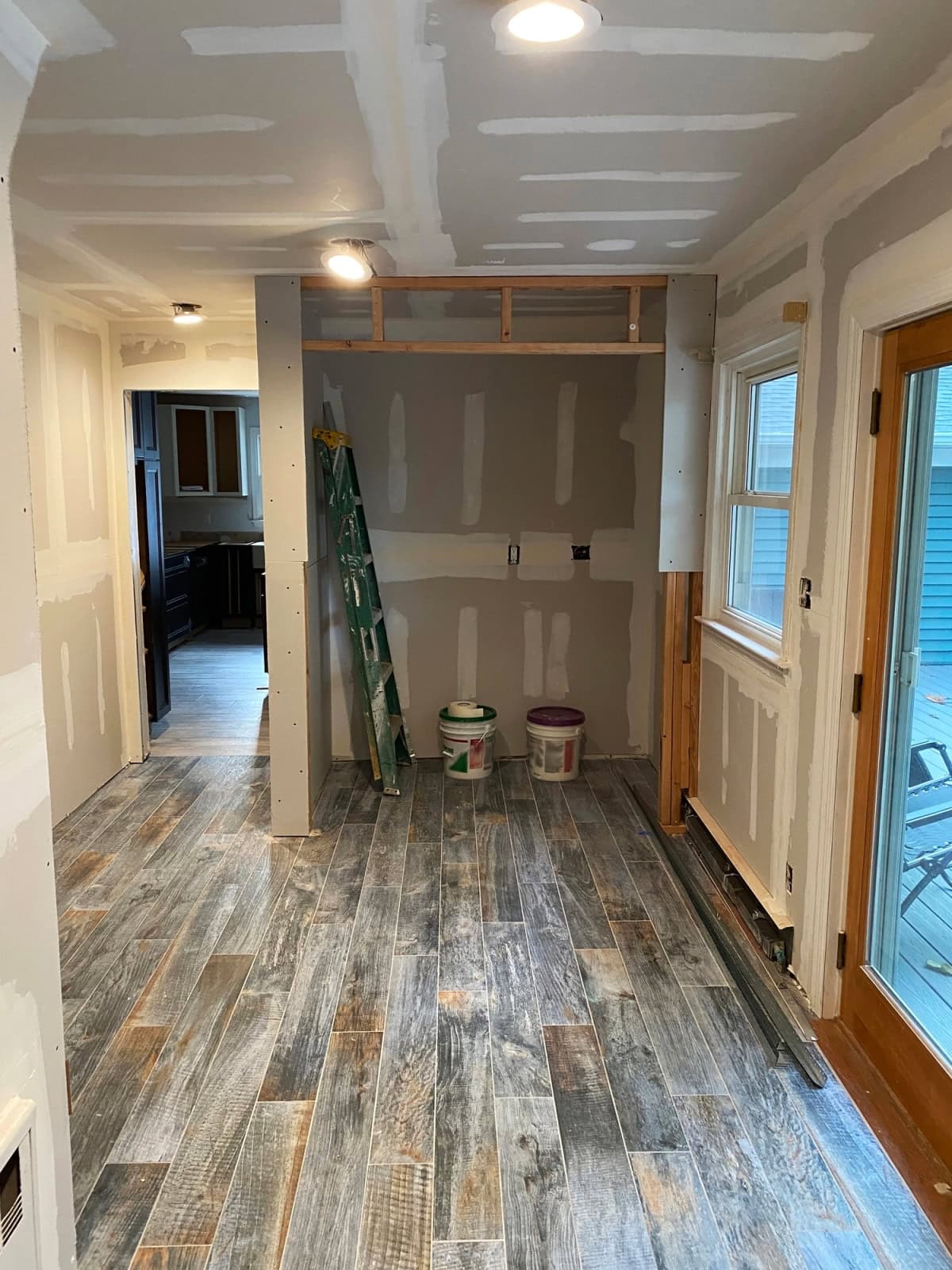
Start With the Space that Creates the Most Disruption
The instinct may be to tackle rooms in the order that they appear on a wish list when contemplating a large remodel. This often means starting with a dream kitchen or a luxurious primary bath. A more strategic method focuses on the areas that will create the most significant disruption to everyday life if postponed.
Kitchens and bathrooms are the heart of the house operation, and their inaccessibility whilst other operations continue can render the entire house unavailable. Addressing these critical spaces first means that when the dust settles on the initial phase, the home returns to full functionality.
This strategic approach to critical spaces often benefits from considering professional kitchen renovation, as expert planning and execution can minimize disruption and ensure a high-quality, lasting outcome. Engaging professionals can streamline the process from design to installation, often resulting in a more efficient timeline and a finished product that seamlessly integrates with the home’s overall functionality.
Completing a kitchen remodel delivers a daily reward in the form of a beautiful and functional space that everyone uses constantly. That sense of accomplishment carries families through subsequent phases that may involve less dramatic but equally important work. Families can plan to stay elsewhere or rearrange routines for a concentrated period, knowing that once this critical phase concludes, the rest of the project will proceed with the home’s core functions intact.
Sequence Projects Around Natural Breaks
Renovating a home in phases requires identifying logical break points where one project ends. Another can then begin without overlapping disruption. These natural pauses allow families to reset and assess budgets. They can decide whether to proceed to the next phase immediately or pause to rebuild savings. You could finish a kitchen remodel, pause for six months to recover financially, then tackle the primary bathroom.
Outside work is better done first before interior work to prevent weather damage to newly completed areas. This includes roofing and window replacements. Structural changes and mechanical upgrades belong in early phases, as they impact everything that follows.
Flooring should be planned across phases to ensure a consistent material transition smoothly between completed and future areas. Thoughtful sequencing prevents the common pitfall of redoing work when a later phase damages something completed earlier.
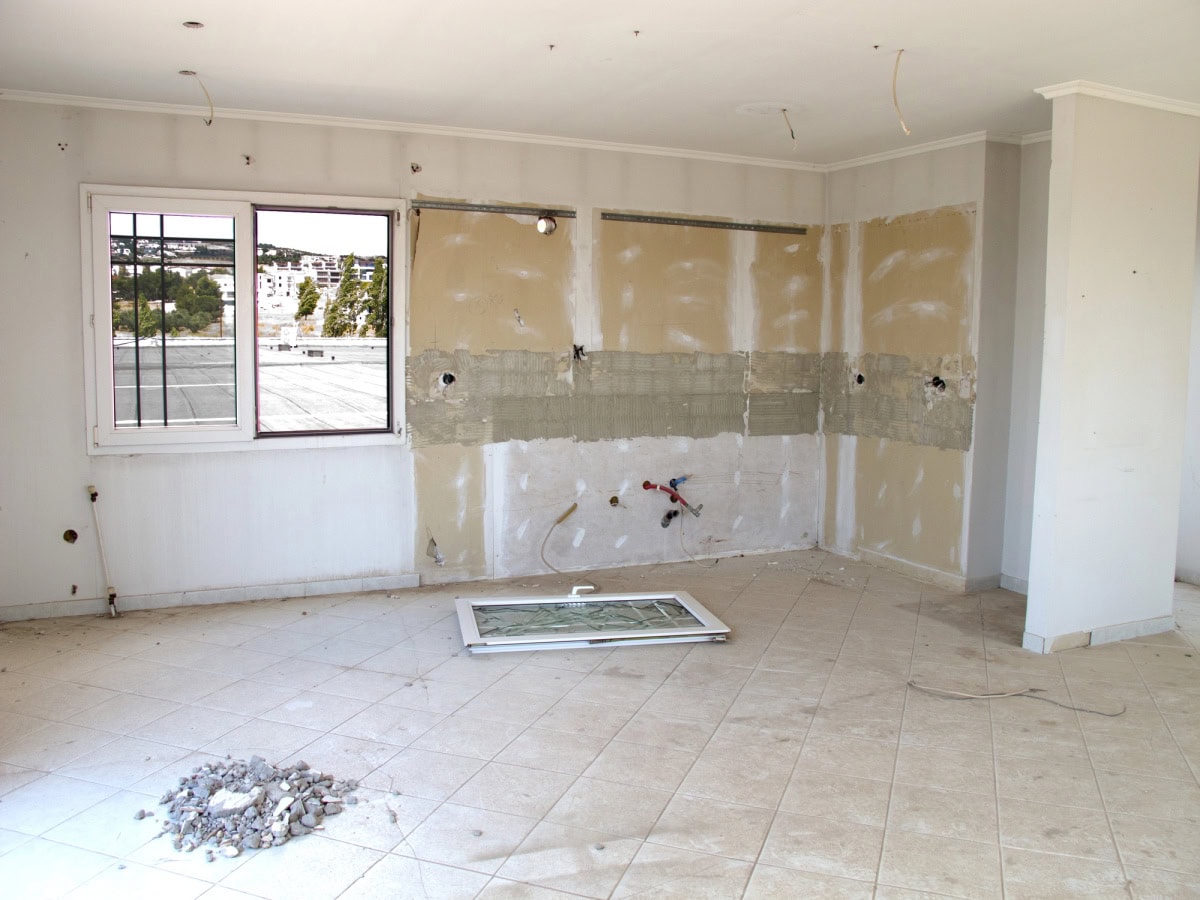
Plan for Future Phases from the Outset
The most successful phased remodels are those where the first phase lays groundwork for phases still years away. This planning involves decisions about infrastructure that would be costly to change later. Running electrical wiring for future lighting.
Careful planning is especially important during home remodeling projects that will be completed over several phases. Looking at the home as a whole instead of treating each room as a separate project helps ensure future improvements blend seamlessly with the work that’s already been completed.
Installing plumbing rough-ins for a bathroom that has not yet started, or selecting the flooring material that will remain available for years, are smart steps. They ensure that later phases integrate seamlessly with earlier work.
Documentation becomes essential when projects span years rather than weeks. Detailed records of paint colors, tile styles, and fixture models are essential. They ensure that finishes can be matched or thoughtfully contrasted when later phases begin.
Photographs of walls before they were closed preserve the location of electrical lines and plumbing for future reference. Each phase references what came before, creating a home that feels unified rather than patched together from independent projects.
Endnote
Dividing a significant renovation into smaller stages turns chaos into a manageable process. By addressing disruptive zones initially, sequencing around natural pauses, and preparing for future integration, families can realize their vision without compromising the peace in their home. This approach transforms an intense year of construction into manageable milestones that accommodate both the budget and everyday life.

- What Home Remedies May Help Relieve Wegovy Nausea? - November 3, 2026
- How Does a 2-2-3 Custody Schedule Work for Divorced Parents? - November 3, 2026
- 9 Ways to Organize a Group Birthday Gift for a Friend in 2026 - November 3, 2026