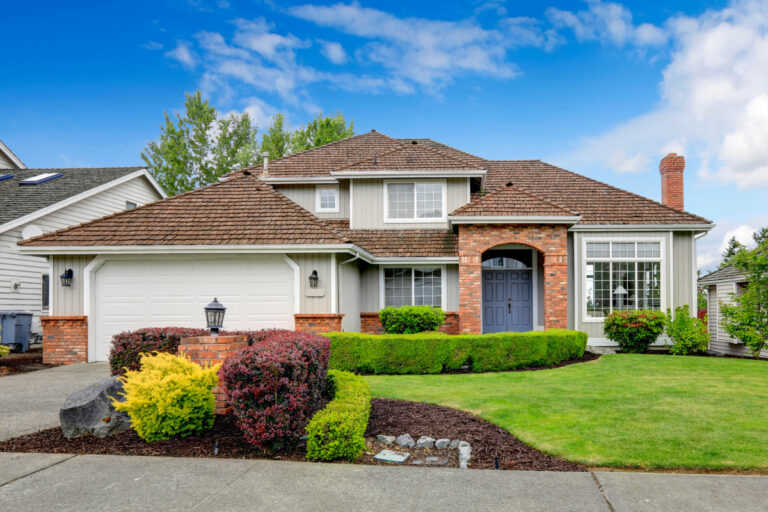
If you’ve ever walked into your backyard and felt a sense of unease, then you’re not alone. There’s a point where a garden stops feeling relaxing and starts feeling like another job on the list. Weeds come back too quickly. Plants need constant attention. And what was meant to be a calm outdoor space turns into something that needs regular fixing.
So that’s why a lot of people turn to the idea of a low-maintenance garden. Simplifying things. It sounds like a great idea, very appealing to anyone that doesn’t want to spend countless hours looking after their plants and trees. They want a space that looks and feels good, but they also want it to take up less time.
It sounds impossible at first. Surely you need to compromise somewhere, right? But in reality, making a few smarter choices with your garden can make a big difference that transforms it into a low-maintenance yet still beautiful place.
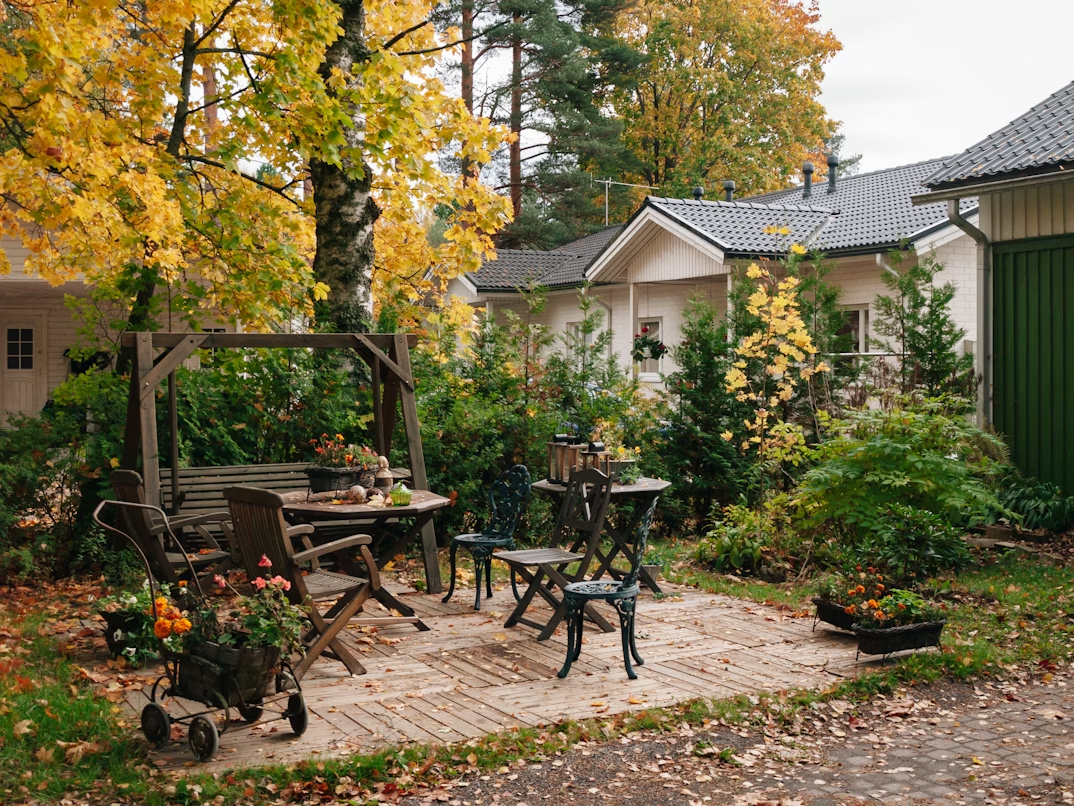
Source: Unsplash (CC0)
Why some gardens feel like constant work
If you’ve ever had to look after a garden or maintain one then you’ll probably know just how much time it can take. Some gardens will feel like constant work all the time, and it can often seem like a mystery how it even ended up like that.
But it often comes down to decisions that seemed like a good idea at the time but didn’t quite work out in the long run. Too many plant types. Features that require regular upkeep. Layouts that make it harder to maintain.
So over time, everything starts to pile up and it becomes really overwhelming. You have so many tasks to finish every few days. Small jobs get left unfinished and the whole space looks like a mess. It’s a lot harder to manage than most people imagine.
This is why it’s important to look out for red flags. The bad garden design choices that might look pretty at first, but can ultimately lead to long hours of maintenance and care that you never signed up for.
Choosing a style that works with your routine
People like to copy what they see. They look at magazines and they want the same types of plants and water features. They watch a few TikToks or YouTube Shorts and they think that gardening and landscaping are easy. In reality, not every approach fits every lifestyle, especially when it comes to upkeep.
It’s worth keeping in mind just how many different garden styles there are. Some are naturally low maintenance. Others require constant upkeep. Some you wouldn’t even dare attempt unless you had access to a gardening service that comes on a daily basis.
It’s worth asking yourself how much time you actually want to put into something like a garden. Are you willing to invest a few hours each week? Or do you prefer to only check it once every month? These questions will form the type of garden that would fit your lifestyle, not just the design and look of your home.
Making smart decisions about plants and features
Once you have a general idea of what you’re looking for, the next step becomes choosing elements that don’t create unnecessary work over time. This means focusing on plants that actually fit your climate so they don’t require constant upkeep, care, or expensive products. Look for fewer high-maintenance options. Search for reliable choices that won’t wilt away because you looked at them the wrong way.
One tip here is to avoid most of the popular garden trends. Or at least, do a bit of research before you consider them. There are loads of fantastic educational gardening and landscaping videos, but you need to keep in mind that they never tell the full picture.
There are far too many situations where people look at these trends and attempt to mimic them, perhaps even with the help of a professional gardening service. But then reality sets in and they realise they’ve planted more than they can handle.
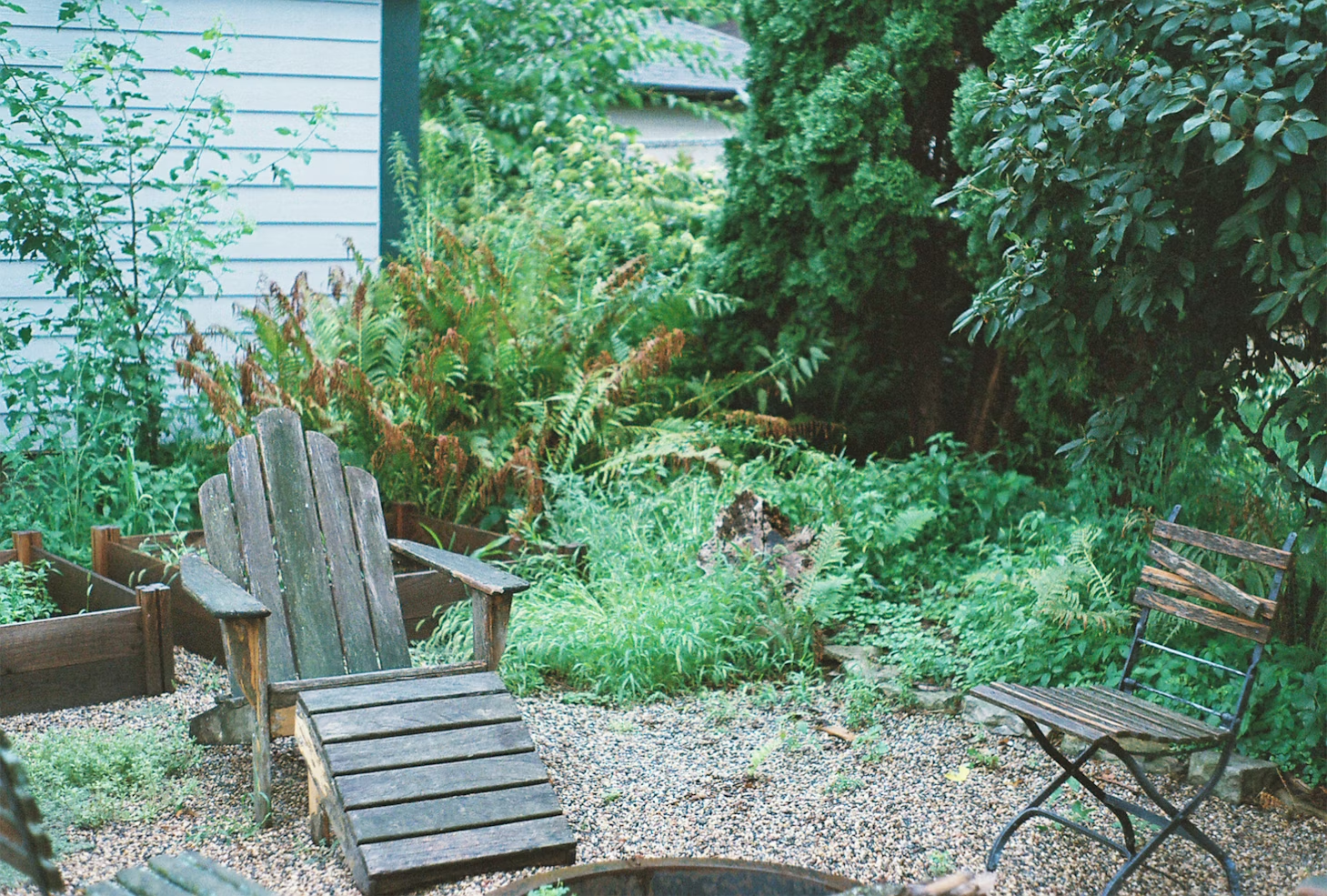
Source: Unsplash (CC0)
Handling bigger changes before they become long term problems
Sometimes, the main issue isn’t the smaller details, but something larger that’s affecting how the garden functions overall. Dealing with these bigger problems early on can save time and effort later. It could be overgrown trees. Roots affecting plants that you wouldn’t expect. Pest invasions. Features that are blocking light or space.
Most of these you can handle on your own. But unless you have a powerful chainsaw, climbing gear, and professional experience, dealing with trees is a much more difficult issue. That’s where experts like AKA Tree Service can help remove large stubborn trees, making it easier to reshape the space and reduce ongoing maintenance. Tackling these bigger issues is important, just don’t try to DIY the solution.
Keeping things simple without losing visual appeal
People often worry that a low maintenance garden means low visual appeal. But that’s really not the case. Focusing on a few key features instead of trying to include everything can actually make the space feel more put together. Clean lines. Repeated elements. A consistent look that’s easy to maintain.
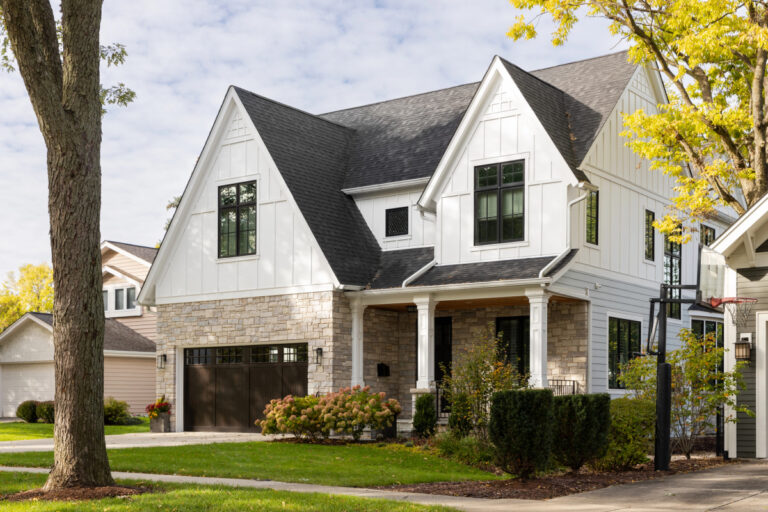
Some homes can embrace nature and look fantastic, all while maintaining a very simple look that still appears elegant while being low maintenance. It could be smart landscaping with a small front yard, or just smarter use of space. Fewer elements, better spacing, and more intentional layouts. These are the secrets to a simple space that doesn’t lose its visual appeal.
Building a routine that keeps everything under control
Even if you have a well planned garden, a small amount of regular attention still helps keep things looking their best without letting tasks pile up. Having a simple approach to garden maintenance makes a huge difference here. Sticking to shorter sessions with consistent efforts to stop things from getting out of hand or out of control.
And that’s where things start to feel easier. Instead of dealing with large tasks all at once, everything stays manageable. And over time, that routine keeps the garden looking good without taking over your schedule.

- A Guide to Assessing and Selling Valuable Possessions - July 20, 2026
- How to Inspect an Inflatable Water Slide Before Each Use - July 20, 2026
- Uncovering Health Clues Through Your Hearing - July 18, 2026