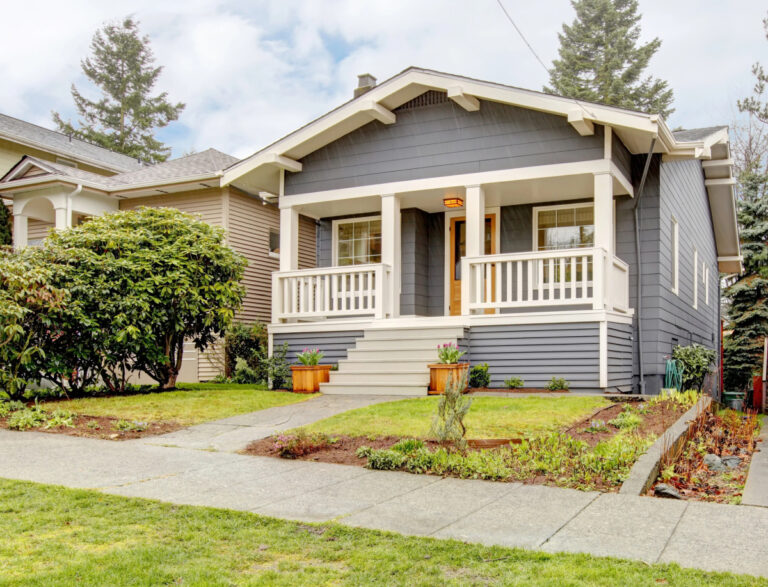
A long-distance move sounds exciting at first. New place, new routines, fresh start. Then reality creeps in somewhere between packing your kitchen and realizing you still haven’t figured out what to do with the garage. Homeowners deal with a different kind of pressure. This isn’t just clothes and a couch. This is years of decisions sitting in every room.

Homes in Fort Lauderdale come with their own personality. Humidity wear, storm upgrades, and little fixes you kept putting off. Those things don’t disappear just because you’re moving. They follow you in the form of repairs, disclosures, and sometimes regret.
There’s also the mental side. You start questioning everything, like:
- Do I take this?
- Do I leave it?
- Why did I even buy this?
It gets heavy fast. Planning helps, but it doesn’t make things easy. It just makes them manageable.
The Emotional Weight of Leaving a Home
No one really talks about this part. Everyone focuses on logistics, boxes, trucks, and timelines. The emotional side sneaks up on you when you least expect it. You walk into a room and suddenly remember where the couch used to be five years ago. That small scratch on the wall tells a story you didn’t think mattered. It slows you down.
Decision fatigue hits hard. Every item feels like it deserves a second thought. Some things don’t, but your brain doesn’t care. You keep going anyway.
Choosing the Right Moving Help Without Regret
Picking movers feels simple until it isn’t. You compare prices, scroll through reviews, and maybe ask a friend. It still feels like a gamble. Cheap options look tempting, especially when everything else is costing more than expected. Then you start wondering what corners are being cut. Late arrivals, damaged furniture, poor communication. Those stories exist for a reason.
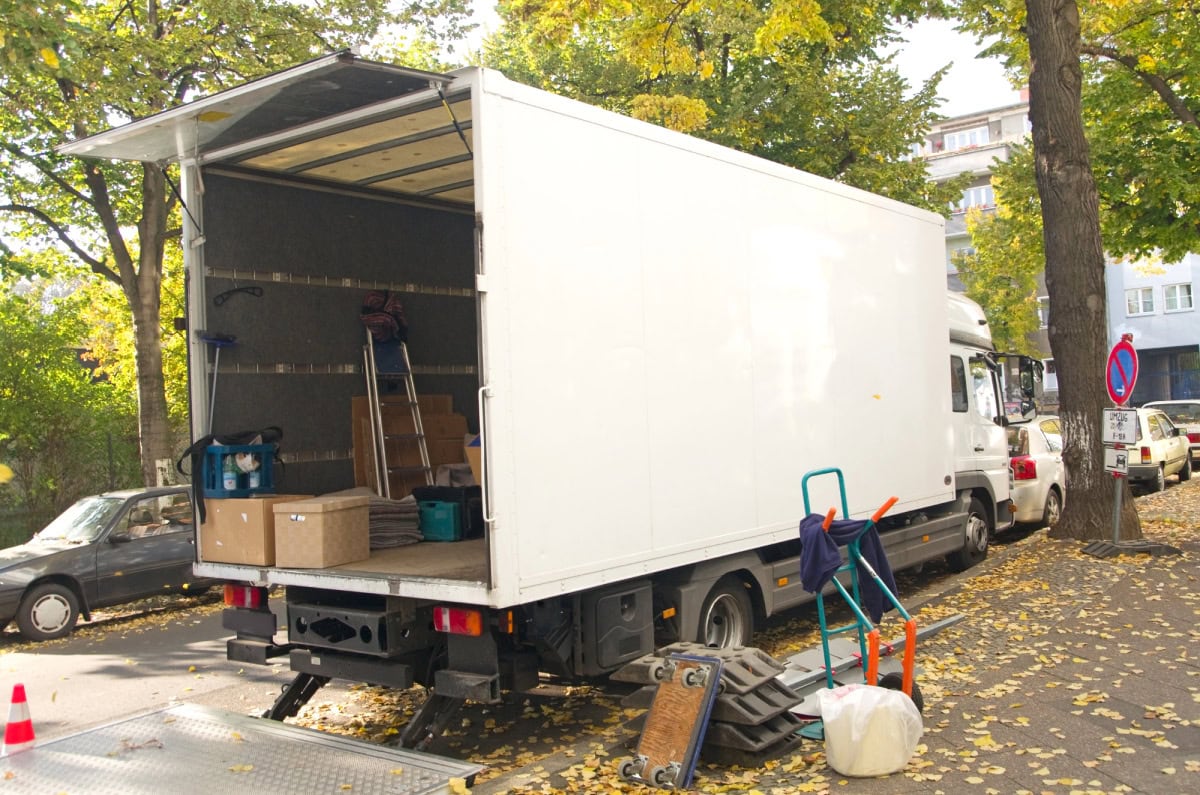
If you’re looking for Fort Lauderdale long distance movers, choose professionals who handle logistics, timing, and care without cutting corners. Good movers don’t just transport things. They reduce stress. That alone is worth paying for.
Understanding the True Cost Beyond the Estimate
The quote looks manageable at first glance. You feel a bit relieved. Then the extra costs start creeping in. Packing supplies, fuel adjustments, and storage fees if something gets delayed. It adds up fast. You tell yourself it’s fine, then check your budget again and feel that small wave of panic.
Homeowners face another layer. Closing costs, repairs, staging, and maybe even overlapping mortgages for a short time. It’s not just a move. It’s a financial transition. Planning for extra expenses isn’t being negative. It’s being realistic. That cushion you build into your budget will save you later when something unexpected pops up. And it will.
Timing the Move Without Losing Your Mind
Perfect timing sounds great on paper. Real life doesn’t follow that script. Closing dates shift. Paperwork drags. Suddenly, your move-out and move-in don’t line up, and now you’re stuck figuring out where you’ll stay and what happens to your stuff.
Work doesn’t slow down either. Deadlines still show up. Meetings don’t care that your house is in boxes. Trying to keep up with all of it while packing everything feels like too much at once.
Decluttering Feels Good Until It Doesn’t
Everyone says to declutter before a move. It sounds simple. It’s not. You start with confidence. Old clothes, unused items, things you forgot you even had. Easy decisions at first. Then you hit the sentimental stuff.
That’s where it gets tough. You pick something up, and suddenly you’re stuck in a memory. Now you’re sitting on the floor, wondering why this random item feels so important. Time slips away during this process. Selling items takes effort. Donations require sorting. Throwing things out feels wasteful, even when it’s necessary.
Preparing the Home for Sale or Handover
This part hits differently when you’re already drained. Small issues you ignored for years suddenly matter. That loose handle, chipped paint, tiny leak under the sink. None of it felt urgent before. Now it all feels urgent at once.
Buyers notice everything. You start seeing your home through their eyes, and it’s uncomfortable. You wonder why you didn’t fix certain things earlier. Cleaning becomes a full project. Not your usual quick sweep and wipe. Deep cleaning. Corners, baseboards, spots you didn’t think about in years. It’s exhausting, especially when you’re still packing at the same time.
Planning Improvements in the New Home
You tell yourself you’ll settle in first. Take a breather. Deal with upgrades later. Sounds reasonable, right? It rarely plays out that way. You walk in and start noticing everything. The wall color feels off. Light fixtures look older than you expected.
Floors don’t quite match what you had in mind. It builds up fast, even before the first box is opened. Ignoring it seems easier at first. Then it starts to bother you more than it should. Living in a space that feels unfinished can wear you down, especially after everything you just went through.
Setting Up the New Space Without Chaos
You arrive, and suddenly everything is everywhere. Boxes stacked in corners. Essentials buried under things you don’t need right away. You tell yourself you’ll organize it all quickly, but the reality feels heavier.
Start small. One room. One corner. Trying to fix everything at once leads to frustration. You end up moving things around instead of actually settling in. Utilities need to work right away. Internet, electricity, water. Those things make the space functional. Without them, everything feels harder than it should.
Nothing about a long-distance move feels smooth. Plans slip, energy dips, and second-guessing shows up more than you’d like to admit. Some days feel productive. Others feel like you got nowhere. Then something shifts, quietly. Maybe it’s the first night when things aren’t as chaotic. Maybe you find your coffee mug without digging through five boxes. Small wins, but they matter.
You pause for a second and realize you pushed through the hardest stretch. It didn’t feel clean or organized, but you got it done. Things won’t fall into place immediately. That’s normal. A home takes time to feel right. You adjust, rearrange, figure things out as you go. One step, then another. That’s really all it is. Over time, it starts to feel like yours.

- Top Concierge Medicine Providers in Orange County for Personalized Healthcare - November 10, 2026
- What Streetlights, Sidewalks, and Trees Can Reveal About Neighborhood Safety - November 10, 2026
- The High-Back Sofas Worth Sinking Into - November 10, 2026