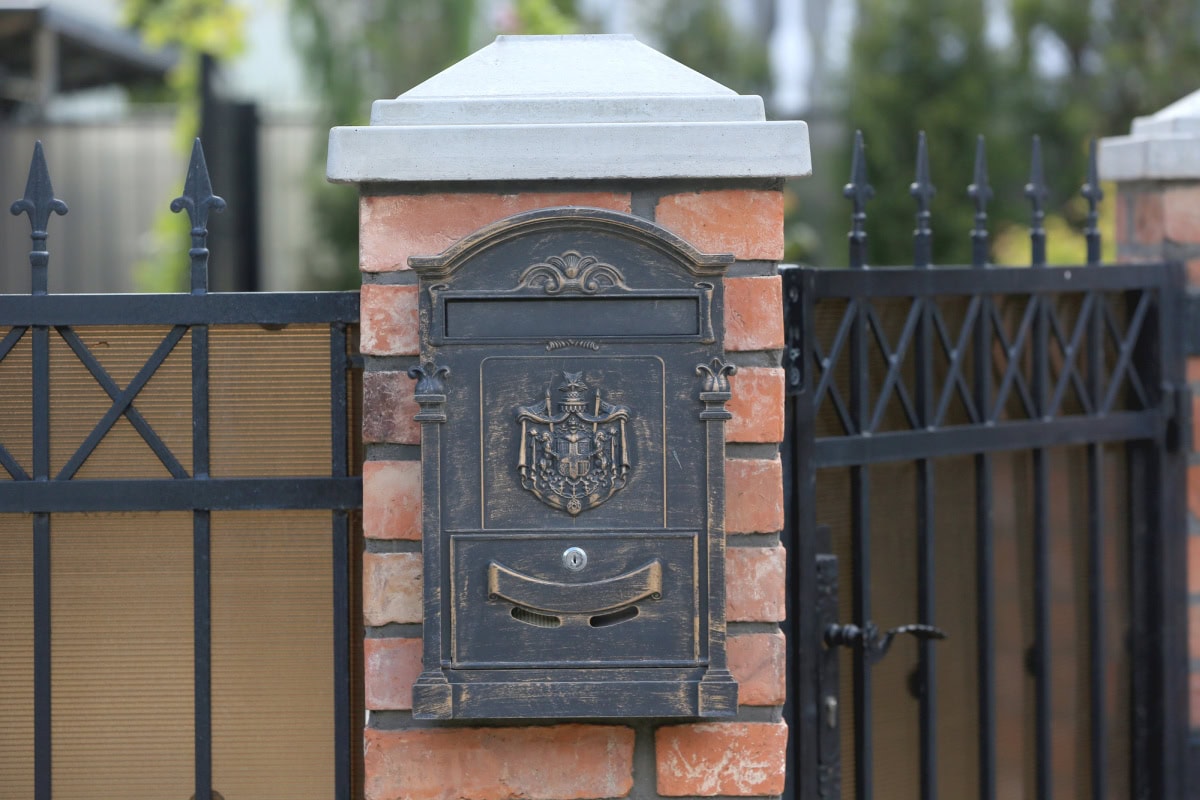
A letterbox is one of those things you barely think about until it’s wrong. The slot is too tight for a magazine. The door faces the footpath when you’d rather open it from your own side. The finish starts to look tired after a couple of wet winters. If you’re building a brick fence or pillar, or replacing an old box in an existing wall, it pays to get this decision right, because a brick in letterbox is set into the masonry and swapping it later means cutting into your wall.
Here’s how to work through the choice without getting overwhelmed.
Start with your wall, not the letterbox
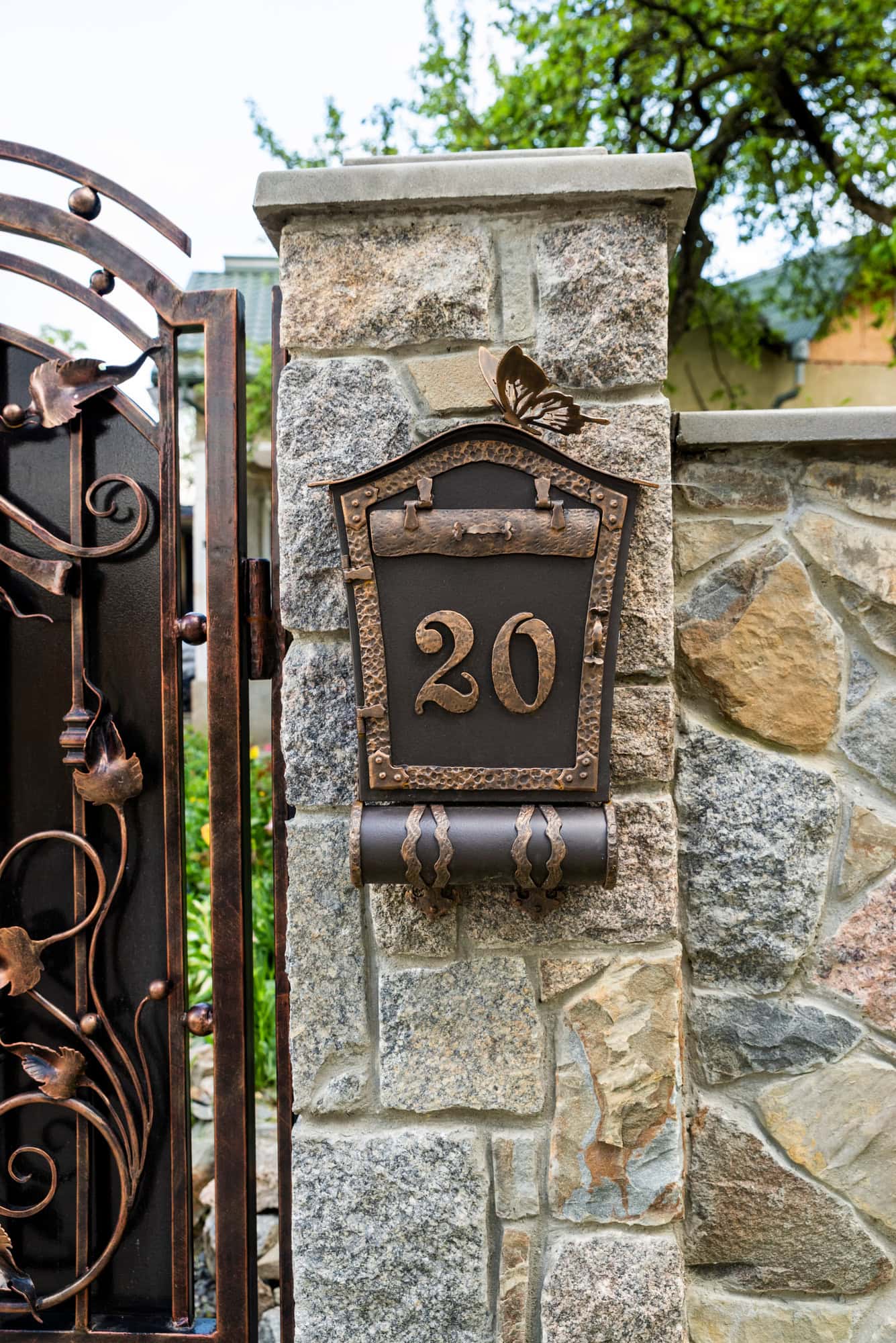
Most people begin by browsing styles, but the wall should come first. Brick-in mailboxes fit into the wall, which means the amount of space they take up has to line up with the rest of the building material used. Brick-in mailboxes are constructed for various wall depths, whether it be a single block, a single brick, one-and-a-half bricks, or double-brick walls.
Some popular models are made with an expandable sleeve that makes installation easier by fitting walls that are even as thick as 470mm, although their dimensions are non-standard. Measure the wall (or check the plans if it isn’t built yet) before you fall in love with anything. It’s far easier to pick brick in letterboxes that fit seamlessly than to force one that doesn’t.
Decide how you want to open it
Think about who will be collecting the mail and from which side.
Rear-open boxes are the most common. Mail drops in from the street side and you collect it from inside your property, so you never have to step onto the footpath in your slippers.
Front-open boxes work the opposite way and suit situations where there’s no convenient access behind the wall, such as a pillar sitting right on a boundary or a wall with a garden bed or structure behind it. They’re a smaller part of the range, but they solve a real problem when you need them.
There are also front-and-rear-open designs, which give you both options. They’re less common but handy if your layout is a bit unusual.
Think about what actually lands in your mailbox
This is where a lot of people get caught out. A letterbox that handles bills and postcards is not necessarily one that handles your real mail.
If you get magazines, folded documents or catalogues, check that the slot takes A4 mail without bending it. Plenty of people only discover this after the first oversized envelope gets jammed halfway in.
Then there are parcels. If you shop online regularly, a parcel-capable box can save you a lot of missed deliveries and trips to the post office. These are larger and cost more. Be honest with yourself about how often you’d use that extra space. If you only get the odd parcel, a standard box may be plenty. If half your life arrives in cardboard, the premium is easy to justify.
A newspaper holder is worth a thought too. It’s a small feature that many boxes include, and it keeps the paper dry and tidy rather than sitting on the ground.
Pick a material that suits where you live
The bricks in letterboxes are usually made from powder-coated galvanized steel or stainless steel, with each having an impact on the cost and durability.
The powder-coated steel is the cheaper option. It is available in different colours (black, charcoal, and white) and can survive in almost all environments. The stainless steel models are pricier, but you get a more premium finish as well as higher corrosion resistance, especially useful in salty environment. If you are located close to the sea, then marine-grade stainless steel is the safer long-term choice. There are also a variety of hybrid coatings including stainless steel with black or charcoal finish, which give you a contrast that looks sharp against brick.
Match the finish to your home
Color is the fun part, but it works best as the last decision rather than the first.
Black is the safe bet. It looks crisp against nearly any brick colour and ties in neatly with black window frames, gutters and house numbers. Charcoal is a softer alternative that suits contemporary and neutral palettes. White works well with lighter render or Hamptons-style facades. Stainless steel suits modern builds, and it looks especially good beside timber or concrete.
A useful trick is to stand back and look at what else is on the front of your house. Matching the letterbox to your door hardware, light fittings or house numbers makes the whole frontage feel considered, even if the letterbox itself is quite plain.
Check the practical details
Before you buy, run through a short checklist:
- Lock: A key lock is standard on most boxes and worth having for security and privacy.
- Weatherproofing: Look for a rain-resistant design so your mail doesn’t turn to pulp during a storm.
- Assembly: Most boxes arrive pre-assembled, which makes installation simpler.
- Installation: Even with an adjustable sleeve, getting a brick-in box level and flush is fiddly. It’s often best left to your bricklayer, and the supplier’s installation guide is worth reading first.
- Local rules: Some areas have requirements about letterbox placement and height, so check yours.
Plan it before the bricks go up
If your wall isn’t built yet, you’re in the best position you’ll ever be in. Choose the brick in letterbox model early and give the specs to your bricklayer so the opening is built around it. Retrofitting into an existing wall is entirely possible, but it means cutting out brickwork and making good afterward.
The short version
Choosing a brick-in letterbox comes down to a handful of practical decisions: your wall depth, how you want to open it, what size of mail and parcels you receive, and a material and finish that suit your home. Sort those out before the bricks go up, and you’ll have a letterbox that fits, works, and looks good for years to come.

- The Seamless Look: How to Choose the Right Brick-In Letterbox for Your Home - October 22, 2026
- Who Is Liable for a Slip and Fall? - October 22, 2026
- 5 Cuddly Breeds Like the Cavapoo That Make Family Life Even Sweeter - October 22, 2026