Almost every location has the potential for slip-and-fall injuries. Some of the most common places for this incident are grocery stores, restaurants, apartment buildings, parking lots, and workplaces.
Questions often arise after someone is injured on a property. The party responsible for the injury may be held liable, and that can include the property owner or the person who managed the property. Older adults are among the groups most affected by falls. The CDC reports that more than 14 million people aged 65 years and older fall every year, based on self-reported data. Falls are also the leading cause of injury for adults in this age bracket. Older adults had over 3.85 million falls that required them to go to the emergency department, as stated by the National Safety Council, in 2023.
In cases of a slip and fall, determining whether some other person or business is liable begins with answering some simple questions. The process begins with deciding what caused the fall, who owns the property, and then identifying if the owner knew or should have known about the slip and fall hazard.
Answering these questions often depends on evidence. Preserving evidence soon after a fall, whether in a retail store or an apartment building, can influence the outcome of a claim, according to a Richmond slip and fall lawyer.
Let’s take a closer look at who may be liable for a slip and fall and how responsibility is determined.
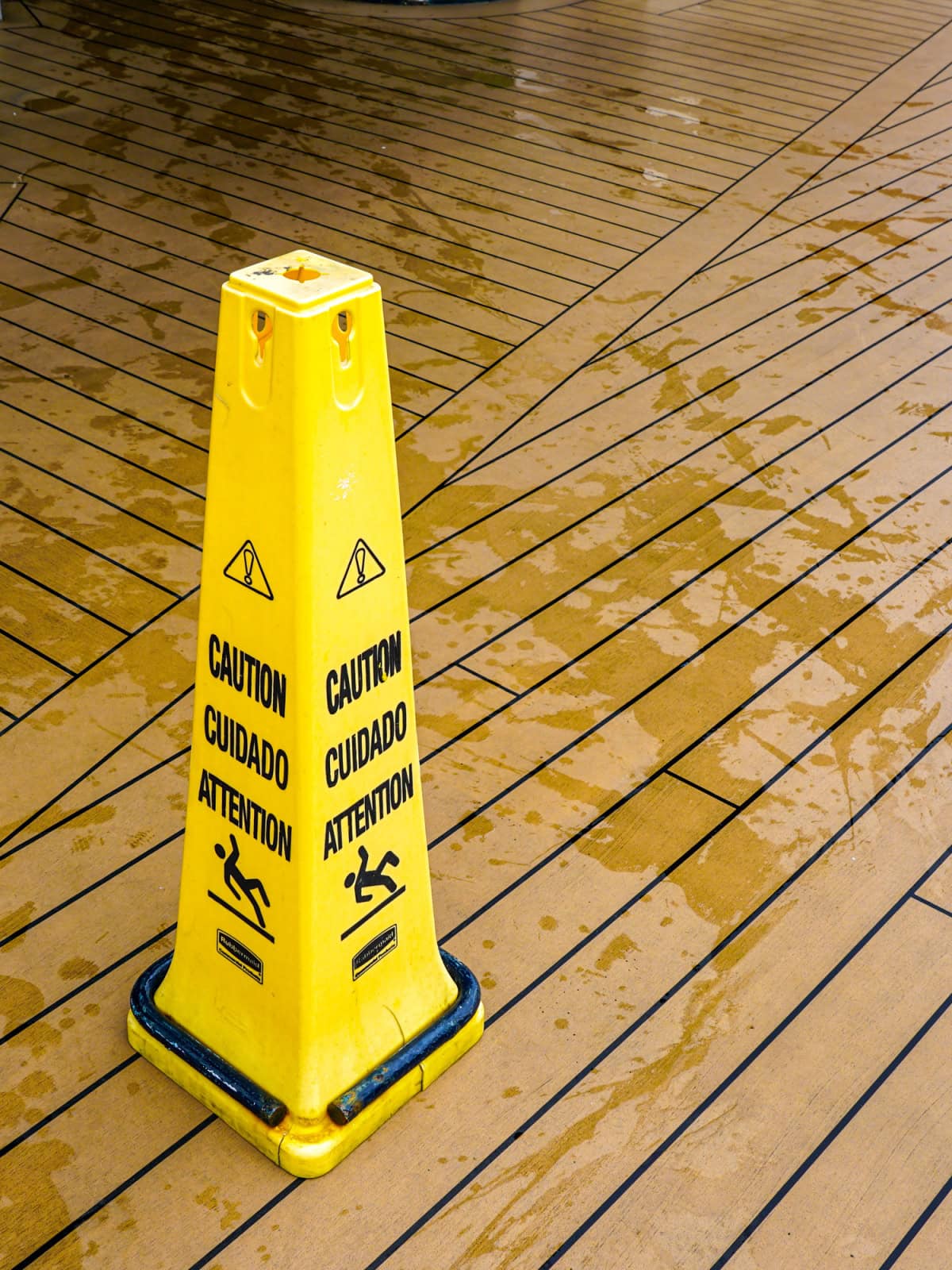
The Property Owner Is Usually the Starting Point
A slip and fall accident falls under a specific type of law referred to as premises liability. Those who own or possess the premises must use reasonable care to protect visitors from known or should-have-known dangers.
The situation is different when a store owner is fully aware of the leak of a cooler and has left the puddle unattended for hours compared to a situation where a visitor knocked over a drink minutes before slipping.
Other Parties Who May Share the Blame
The owner is not necessarily the only party responsible or even responsible at all. The tenant running a business will often have control over the conditions in the store itself. A property management firm could be in charge of any repairs. The cleaning staff may have cleaned without marking their territory, while the snow removal service might have been absent on the job.
According to the law firm website at https://thonbeck.com/, liability in many slip and fall cases depends on whether the party in charge of a property was aware of a dangerous condition and had enough time to correct it. The website also recounts a claim against a city over a cracked crosswalk, in which the city argued that the crack was minor and that it had no prior knowledge of the problem.
Government-owned property has an additional layer to account for. Slips in public sidewalks, government buildings, or parks may have unique notice requirements that are different than those for privately owned properties and can vary by location.
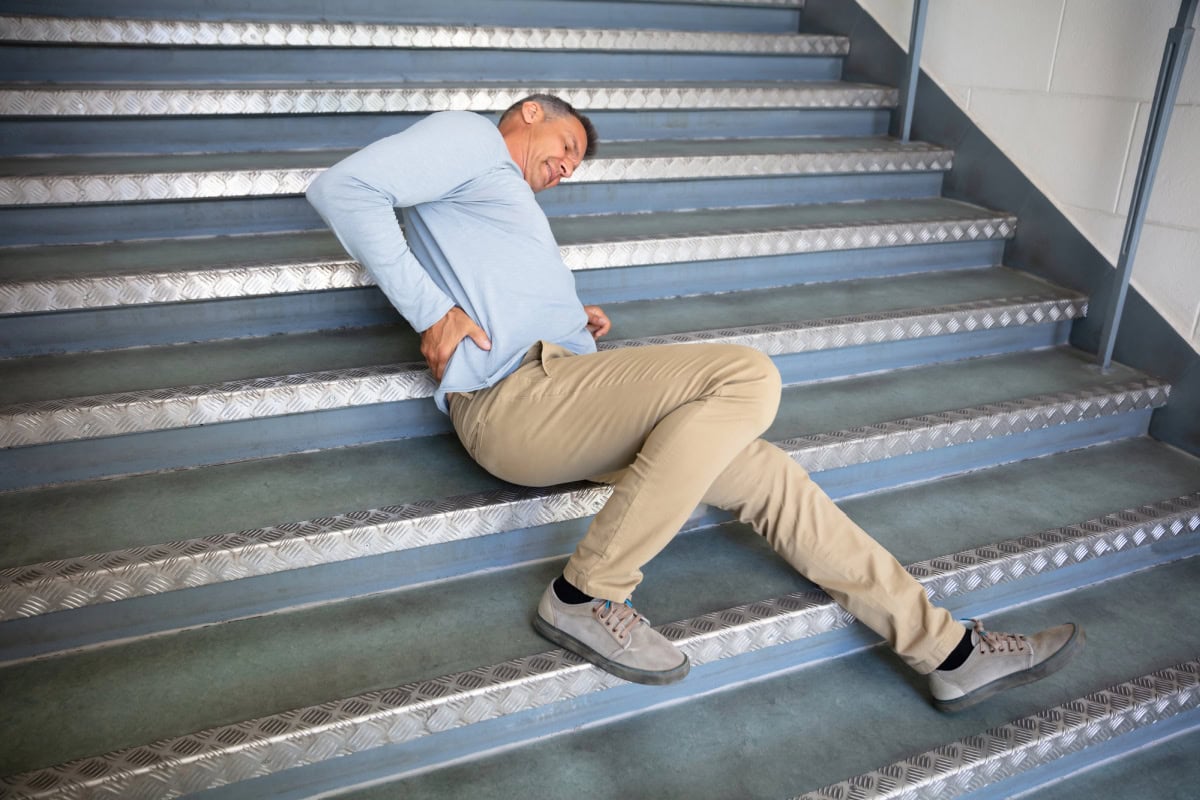
Why the Visitor’s Status Can Matter
Historically, many states have considered the reasons the injured individual was present on the premises.
In fact, a paying customer, a social visitor, and a trespasser may occupy different positions, with the duty decreasing along with the visitor’s right to enter the land. Certain states have abandoned these classifications and now rely on a broader standard of due care.
Another question is the issue of an obvious hazard. Landowners often claim that a clearly visible danger, such as a gaping hole with signs or open stairs without railings, required no warning. A particular state determines the value of such an argument.
Falls at Work
Workplace falls follow a different track. OSHA, the federal workplace safety agency, says falls from heights and on the same level are among the leading causes of serious work-related injuries and deaths.
An employee hurt in a fall at work turns first to workers’ compensation. A claim against a third party, perhaps a contractor or the owner of a building where the employee was working, may also be possible depending on the facts.
The Injured Person’s Own Conduct
The defendant will normally look at the actions of the person harmed. Texting while walking, failure to heed warnings, or wearing unsafe footwear are some of the possible examples. Each state treats the issue of shared fault in different ways. In some states, even partial fault can lower or eliminate recovery.
“Slip and fall” liability is almost never determined by a single factor. Liability could fall on an owner, a tenant, a contractor, a government entity, or any combination of them, and in some cases on nobody. The outcome depends on which party had control over the area and whether the dangerous condition was known before the accident occurred.

- The Seamless Look: How to Choose the Right Brick-In Letterbox for Your Home - October 22, 2026
- Who Is Liable for a Slip and Fall? - October 22, 2026
- 5 Cuddly Breeds Like the Cavapoo That Make Family Life Even Sweeter - October 22, 2026