Water damage can turn a normal day into a cleanup marathon fast. One small leak under the sink can lead to warped floors, musty air, and repair bills that sting. If you’re trying to protect your home and avoid panic-driven mistakes, it helps to know what to do first, what to skip, and when the mess has moved past DIY territory. A calm, informed response can save you time, money, and a lot of soggy frustration.
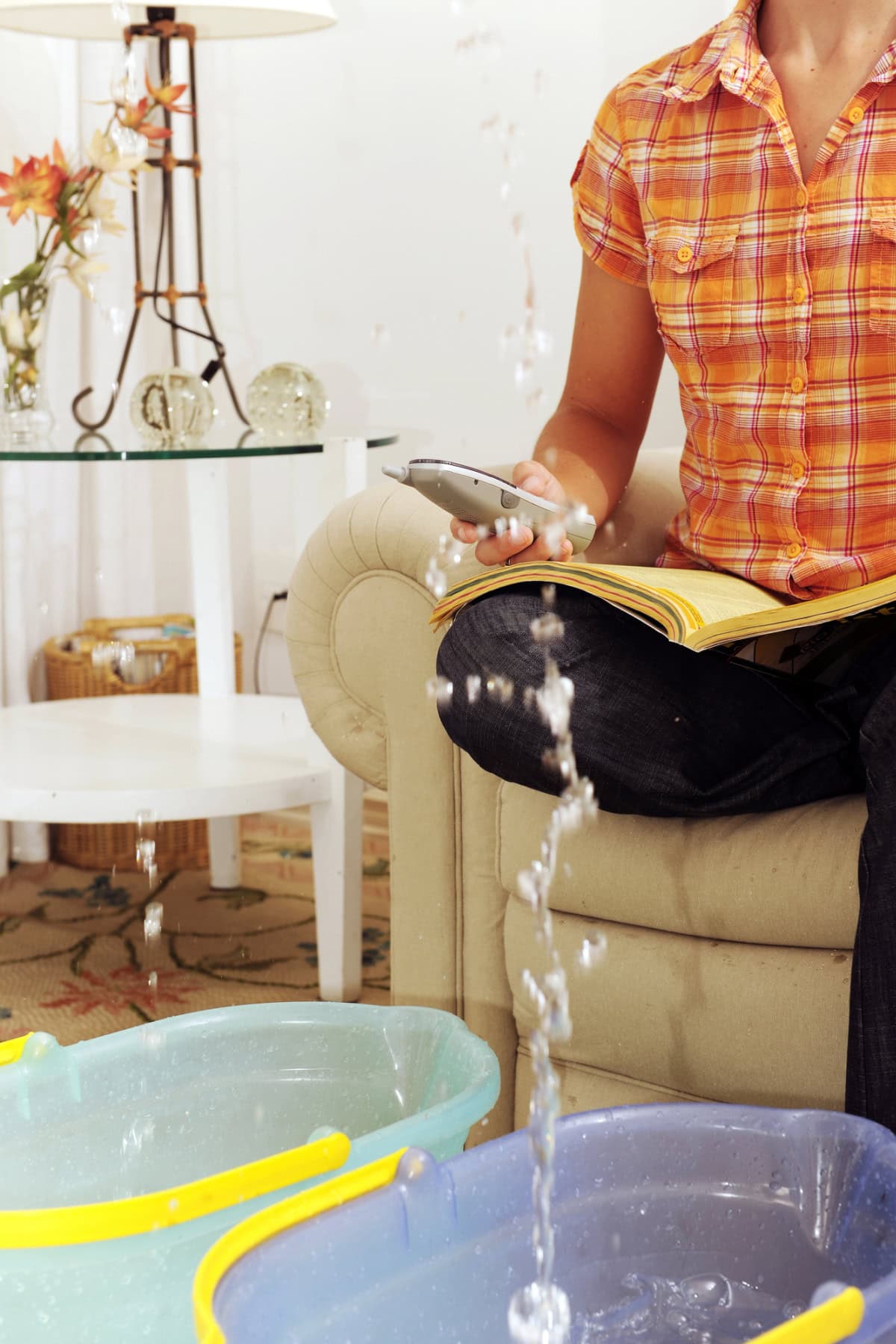
Drying the area properly matters more than most people think
A lot of homeowners focus on removing visible water and assume the job is done. It usually is not. Drying is the part that determines whether the problem ends now or circles back later as mold, warped materials, or peeling finishes.
You want steady airflow, low humidity, and enough time. Fans help move air across surfaces, while dehumidifiers pull moisture from the room itself. If you have soaked carpet padding, insulation, or sections of drywall, those materials often need removal because they trap water too well.
Watch the timeline closely. Mold can begin growing within 24 to 48 hours under the right conditions, according to the EPA. That is a short window. If an area still feels damp after a day or two, or if the water has reached inside the walls and under the flooring, a water damage restoration service may be necessary to assess moisture levels and restore the space thoroughly.
Know the first signs before the damage spreads
Water damage rarely announces itself with dramatic flair. More often, it starts quietly with peeling paint, a damp smell, or a faint stain on the ceiling that keeps getting bigger. If your baseboards look swollen or your flooring starts to buckle, moisture may already be working behind the scenes.
You should also pay attention to changes in air quality. A room that feels humid for no clear reason can signal a hidden leak. The same goes for sudden spikes in your water bill. That little number can expose a problem before your walls do.
In family homes, bathrooms, laundry rooms, kitchens, and basements usually top the trouble list. These areas deal with frequent water use, and plumbing connections don’t last forever. Catching the issue early can mean drying a small area instead of replacing half a room.
Take these immediate steps when water shows up
Your first job is safety, not speed. If water is near outlets, appliances, or extension cords, shut off power to the affected area if you can do it safely. If the leak is active, turn off the nearest water source or the main shutoff valve. Every extra minute adds more moisture to floors, drywall, and insulation.
Once the flow stops, move rugs, electronics, books, and furniture out of the wet zone. Use towels, a mop, or a wet/dry vacuum to remove standing water. Open windows if weather allows, and run fans or dehumidifiers to start drying things out.
Take photos before heavy cleanup begins. That step matters if you file an insurance claim later. Think of it as paperwork in puddle form. Keep track of damaged items, where the water came from, and when you noticed it. Details help more than vague guesses.
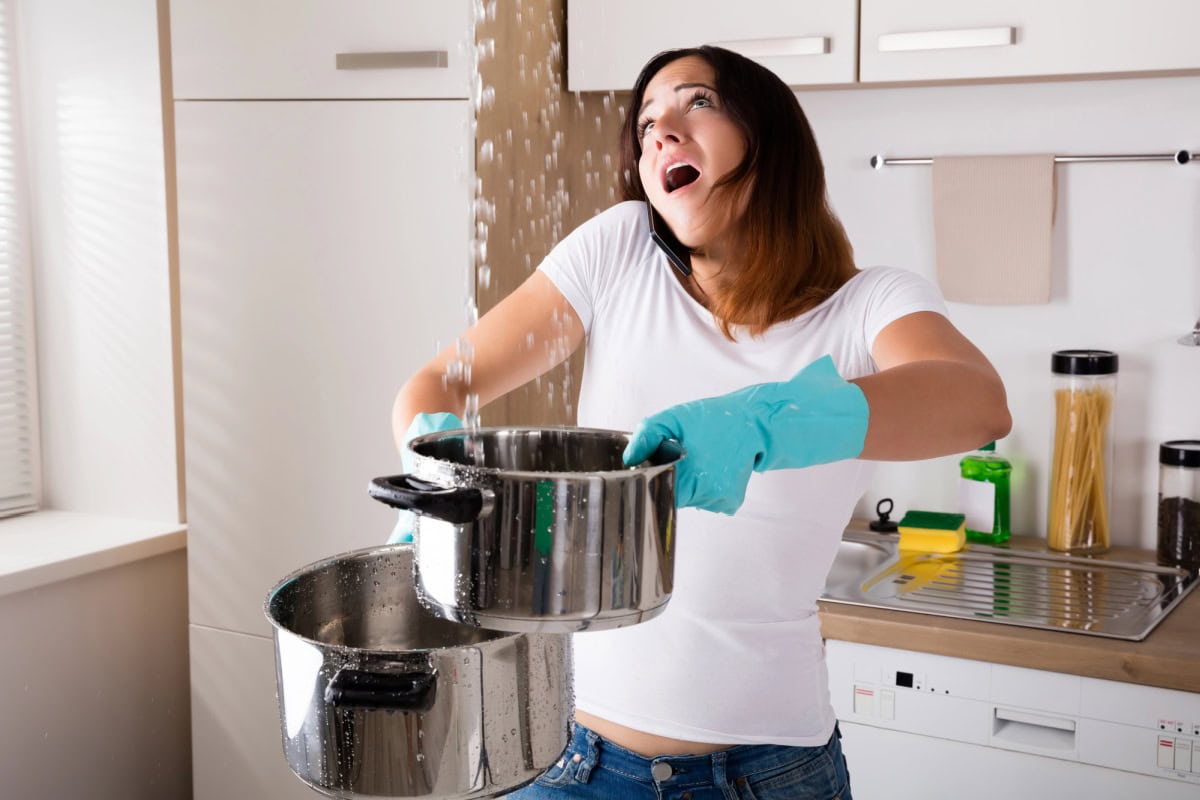
Understand when cleanup is simple and when it is not
Not every water problem needs the same response. A small spill from an overflowing sink is very different from water that has soaked drywall for two days or flooded a basement. Professionals often divide water damage into categories based on contamination and classes based on how much material got wet.
Clean water from a supply line is one thing. Gray water from washing machines or dishwashers carries more risk. Black water from sewage backups or floodwater is a hard stop for DIY cleanup. At that point, health concerns enter the chat and do not leave quietly.
You also need to think beyond what you can see. Water travels into subfloors, insulation, cabinets, and wall cavities. A surface that looks dry may still hold moisture underneath. That hidden dampness often leads to mold, odors, and structural problems that keep growing after the visible mess seems gone.
Check insurance, documentation, and repair decisions carefully
Once the immediate cleanup starts, your next move should be reading your homeowners insurance policy with fresh eyes. Water damage coverage often depends on the source. A sudden burst pipe may be covered, while slow leaks from neglected maintenance may not. Flood damage usually requires separate flood insurance, which catches many people off guard.
When you speak with your insurer, be specific. Share photos, dates, receipts, and a written list of damaged materials or belongings. If you bought emergency supplies like fans or tarps to prevent further damage, save those receipts too.
Be careful with repairs before documentation is complete. You can make temporary fixes to stop worsening damage, but tearing everything out before an adjuster reviews it can complicate your claim. If a contractor gets involved early, ask for moisture readings, itemized estimates, and a clear explanation of what can be dried versus what should be replaced.
Prevent future water damage with smarter home habits
The best water damage strategy is boring in the most useful way possible: routine prevention. Check under sinks every month for drips, corrosion, or soft cabinet floors. Inspect caulking around tubs and showers. Look at ceilings under bathrooms for discoloration. These quick habits take minutes and can save thousands.
You should also know where your main water shutoff valve is and make sure everyone in the house knows too. Test your sump pump if you have one. Clean gutters, extend downspouts away from the foundation, and seal basement cracks before heavy rain turns them into indoor streams.
Appliances deserve extra attention. Washing machine hoses, water heater connections, refrigerator lines, and dishwasher fittings age quietly until they don’t. Replacing old rubber hoses with braided stainless steel options is a simple upgrade with strong payoff. Home maintenance is rarely glamorous, but neither is explaining a ceiling stain to your guests while balancing a bucket underneath it.
A fast response protects more than just your walls
Water damage is never just about wet materials. It affects indoor air quality, daily routines, comfort, and how safe your home feels. Acting quickly gives you a better chance of saving floors, drywall, furniture, and even sentimental items before moisture settles in too deeply.
Your goal is not to become an overnight restoration expert. It is to recognize warning signs, respond safely, document carefully, and know when the problem has outgrown basic cleanup. That approach keeps a manageable issue from becoming a long-running home repair saga.
If you stay alert to small leaks, dry areas thoroughly, and keep up with routine inspections, you’ll put your home in a much better position. Water may be persistent, but you can be smarter and faster.

- How to Make a Family Vacation Feel More Personal Without Planning Too Much - August 10, 2026
- How to Handle Water Damage at Home Without Making It Worse - August 10, 2026
- How to Keep Your Home Cleaner With Less Stress and Smarter Habits - August 10, 2026