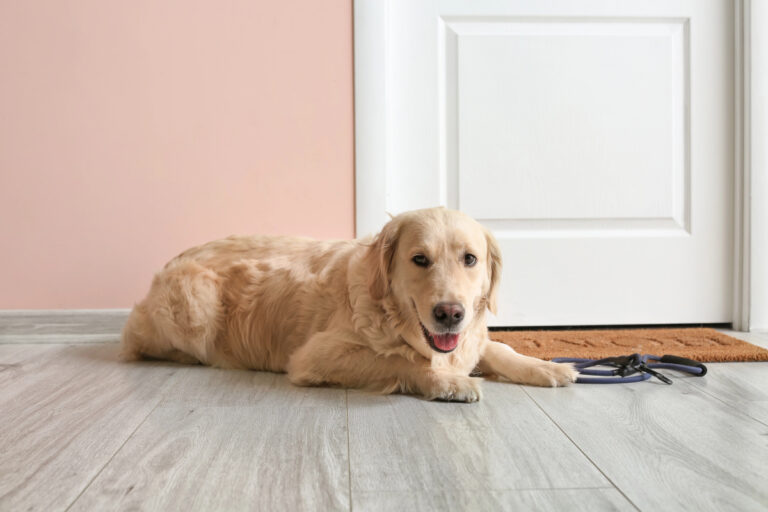
A clean home looks great, but the bigger win is how it changes the way you move through your day. You waste less time hunting for things, chores feel less overwhelming, and your space stops quietly judging you from the corner. If you live in or around Nashville, daily dust, muddy shoes, pollen, and pet hair can build up fast, especially with busy family schedules. A better housekeeping routine isn’t about perfection. It’s about using habits, tools, and timing that actually fit your life.
Start With the Dirt That Enters Your Home
A lot of cleaning frustration begins at the front door. If dirt, pollen, grass clippings, and debris keep getting tracked inside, every room starts losing the battle before you even pull out a vacuum. In a place like Nashville, where weather can swing from dry and dusty to wet and muddy, floors take the hit first.
Set up a small control zone near your entry. Use a sturdy doormat outside and another one inside. Add a shoe tray or a basket for sandals, cleats, or work shoes. If you have kids, give them an easy drop spot for backpacks and sports gear so random crumbs and mystery gravel don’t tour the house.
For bigger messes around driveways, garages, patios, or shared property areas, equipment matters more than good intentions. If you’re looking into reliable sweepers in Nashville, you’re dealing with a practical option for keeping exterior and heavy-duty spaces cleaner before that mess migrates indoors. That move alone can cut down your interior cleaning workload.
Build a Routine That Matches Real Life
The best housekeeping routine is the one you’ll actually follow. That usually means dropping the fantasy of a perfect daily reset and building a system around your schedule, energy, and household traffic. If school mornings are chaos and evenings feel like a relay race, your cleaning plan should account for that instead of pretending you’ll deep-clean at 8:30 p.m.
Break tasks into three lanes:
– Daily: dishes, counters, quick floor sweep, laundry reset
– Weekly: bathrooms, full vacuuming, sheets, mopping
– Monthly: baseboards, fridge cleanout, vents, under furniture
This setup keeps chores from stacking into a full weekend ambush. It also helps everyone in the house understand what “clean enough” means on a normal day.
Try attaching tasks to existing habits. Wipe bathroom counters after brushing your teeth. Run the dishwasher at night and unload it while breakfast is cooking. Fold one load of laundry while watching a show. Glamorous? Not exactly. Effective? Very.
You’re not trying to win a gold medal in sanitizing. You’re trying to stop small messes from turning into full-blown cleaning drama.
Focus on High-Impact Zones First
Not every part of your home gets dirty at the same speed. Kitchens, bathrooms, entryways, and living rooms tend to collect the most visible mess and the most daily use. If you’re short on time, start where grime is loudest.
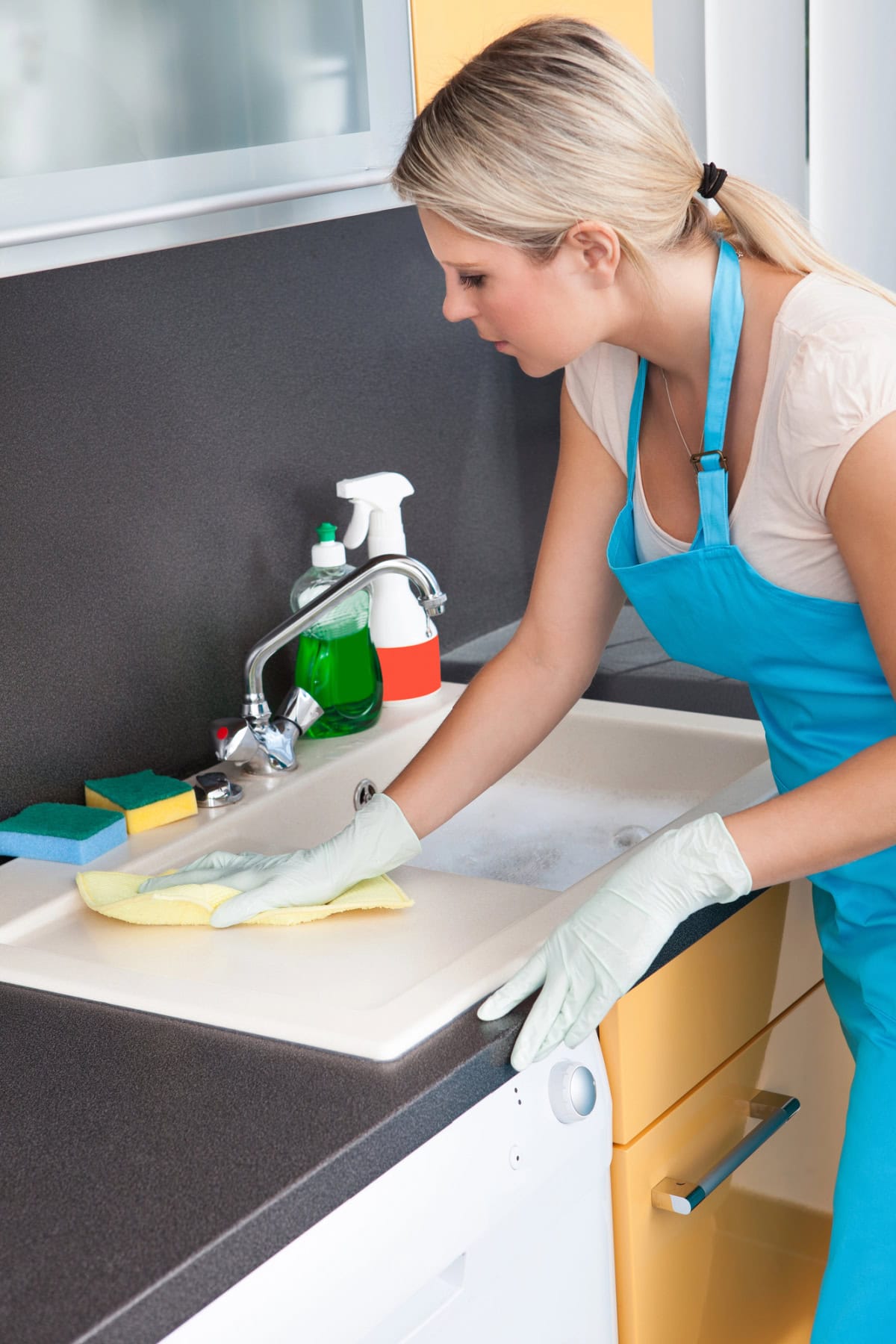
In the kitchen, focus on surfaces that affect both hygiene and appearance. Clear counters, wipe spills fast, and don’t let the sink become a swamp of mugs and regret. Grease around the stove can build gradually, then suddenly look like it formed a union.
Bathrooms need quick, frequent attention more than dramatic deep cleans. A daily wipe of the sink and mirror can prevent that dingy look from settling in. Keep basic supplies nearby so you don’t have to go on an archaeological dig every time you clean.
Living rooms often suffer from visual clutter more than actual dirt. Blankets, remotes, cups, chargers, and mail can make the room feel messy even when the floor is fine. A five-minute reset in the evening can change the entire feel of the space.
When you prioritize these zones, your home feels cleaner faster, even if the guest room closet remains a lawless wasteland.
Use the Right Tools Instead of Working Harder
A surprising amount of cleaning stress comes from using tools that barely do the job. If your vacuum spits crumbs back out, your mop leaves streaks, or your storage bins collapse under mild emotional pressure, the problem isn’t always your effort.
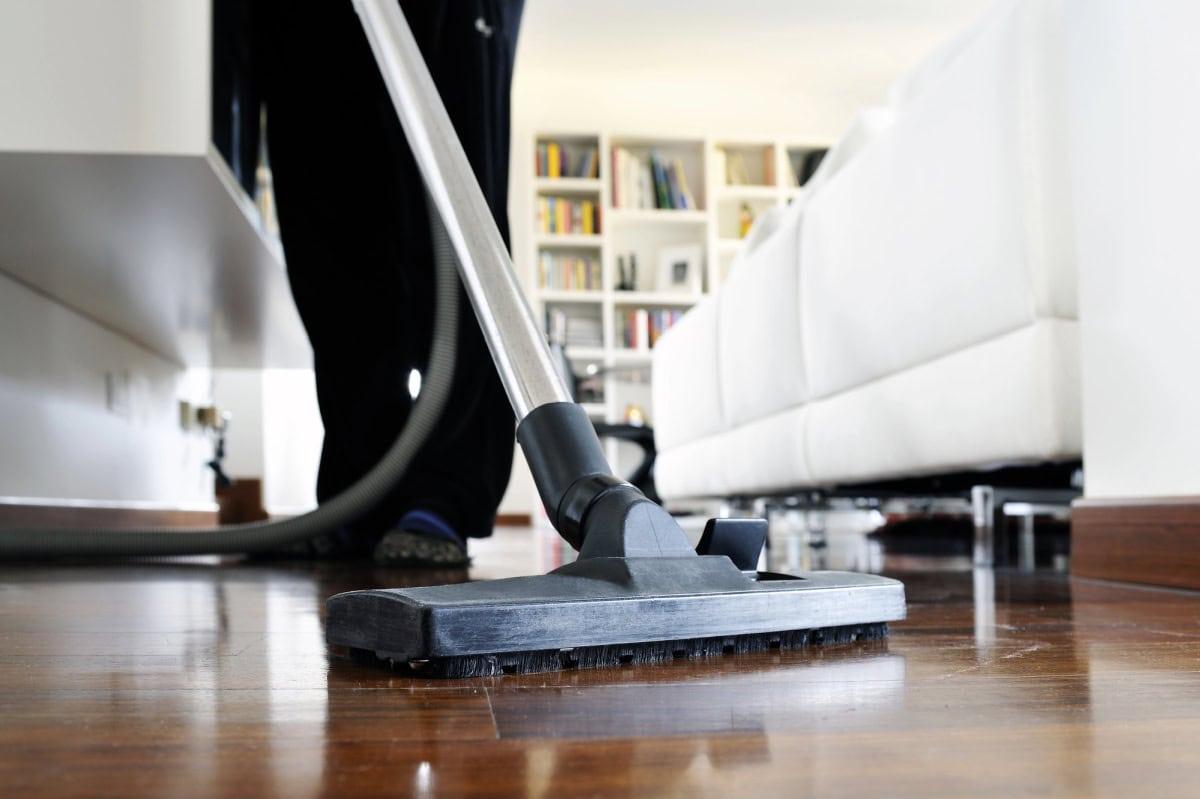
Choose tools based on your actual home. If you have pets, you need strong hair removal, not a cute gadget with big promises and tiny battery life. If your floors collect constant grit, a quality broom, dust mop, or sweeper will save you time every week.
Useful tools to keep on hand include:
– Microfiber cloths for dusting and quick wipe-downs
– A handheld vacuum for stairs, cars, and upholstery
– A spray bottle with a safe all-purpose cleaner
– A sturdy laundry basket for fast room resets
– Storage bins that are easy to label and stack
Good tools reduce friction. That matters because the easier a task feels, the more likely you are to do it before the mess snowballs.
If you manage a larger property, workshop, garage, or outdoor area, stepping up to more capable sweeping equipment can make a serious difference. Small household tools have limits, and pretending otherwise just turns cleanup into cardio.
Cut Clutter to Make Cleaning Easier
Cleaning gets dramatically easier when there’s less stuff in the way. Clutter collects dust, slows down routines, and makes every surface harder to wipe. It also creates visual noise, which can make your home feel messy even right after you clean.
You don’t need to become a minimalist. You just need fewer unnecessary obstacles. Start with visible flat surfaces like counters, tables, and dressers. If something doesn’t belong there and doesn’t get used often, give it a home somewhere else.
A few practical ways to reduce clutter:
– Keep only daily-use items on counters
– Use baskets for quick category storage
– Donate clothes you haven’t worn in a year
– Limit decorative items in high-dust areas
– Create a landing zone for keys, mail, and bags
This approach helps with maintenance too. It’s much easier to clean around one lamp than twelve tiny objects with dust trapped between them like a hostage situation.
If you share your space with family members, aim for systems that are obvious and easy to maintain. Complicated organizing methods usually last about a week before everyone quietly gives up.
Make Housekeeping Sustainable, Not Exhausting
A cleaner home should support your life, not consume it. If your routine leaves you annoyed, tired, and constantly behind, it needs adjusting. Sustainable housekeeping is less about doing more and more about removing friction, setting realistic standards, and dealing with mess at the right time.
That could mean doing ten-minute resets instead of marathon cleaning days. It could mean getting better floor-care equipment for the spaces that get hit hardest. It could mean teaching everyone in the house a few non-negotiable habits, including the revolutionary concept of putting things back where they came from.
Pay attention to patterns. If one area gets messy every single day, don’t just clean it repeatedly without asking why. Maybe that room needs better storage, a trash can, a mat, or a stronger entry routine. Good housekeeping is part cleaning and part strategy.

- Understanding Your Property Rights When Entering a Lease - September 30, 2026
- Capsule, Tablet, Gummy: What the Format Changes - September 30, 2026
- How Hobbies, Collections and Shared Memories Point You Toward a Meaningful Gift - September 30, 2026