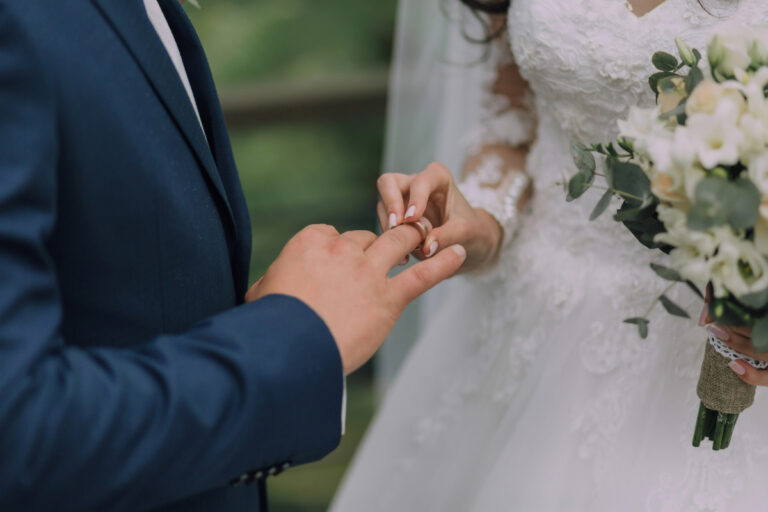
Picking an engagement ring style can feel harder than it should, mostly because there are more options now than there were even ten years ago. Before narrowing anything down, it helps to know what bridal jewelry styles couples should actually look at before deciding.
Couples should look at solitaire, halo, vintage-inspired, and three-stone styles side by side, since most other settings are variations on those four core looks.
That’s a useful starting point, but the styles themselves only tell part of the story. How they’re grouped, compared, and tried on in person tends to matter just as much as the style names themselves.
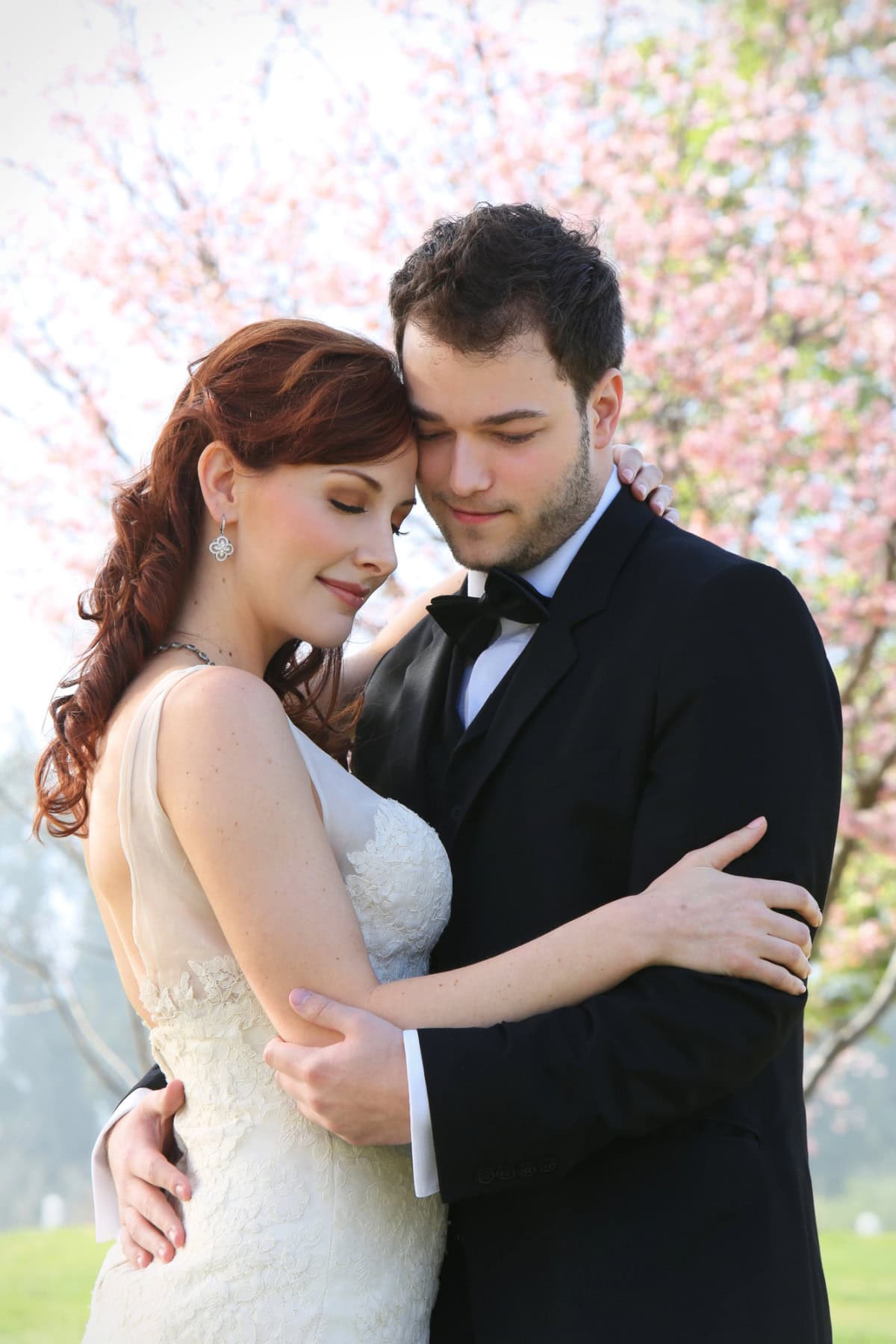
Why Do These Four Styles Cover Most of What’s Out There
A solitaire keeps the focus on a single center stone with a plain band, which is why it has stayed a default choice for decades. A halo adds a ring of smaller stones around the center, which makes the center stone look larger without increasing its actual size, and it tends to catch more light in everyday settings like office lighting or a dim restaurant.
Vintage-inspired settings borrow details from earlier design eras, milgrain edges, filigree work, or colored side stones, and they appeal to couples who want something that looks like it has history even when it’s brand new. Three-stone settings use a center stone flanked by two smaller ones, often read symbolically as past, present, and future, and they tend to look substantial without needing an unusually large center diamond.
Almost every other setting on the market borrows from one of these four, which is why starting there keeps the search manageable instead of overwhelming. A cathedral setting, for example, is really a solitaire with arched metal supporting the stone. A cluster setting is a halo variation that spreads smaller stones out instead of ringing them tightly around the center. Once a couple can name which of the four base styles they’re drawn to, the hundreds of variations on store shelves stop feeling random and start looking like small tweaks on a preference they already have.
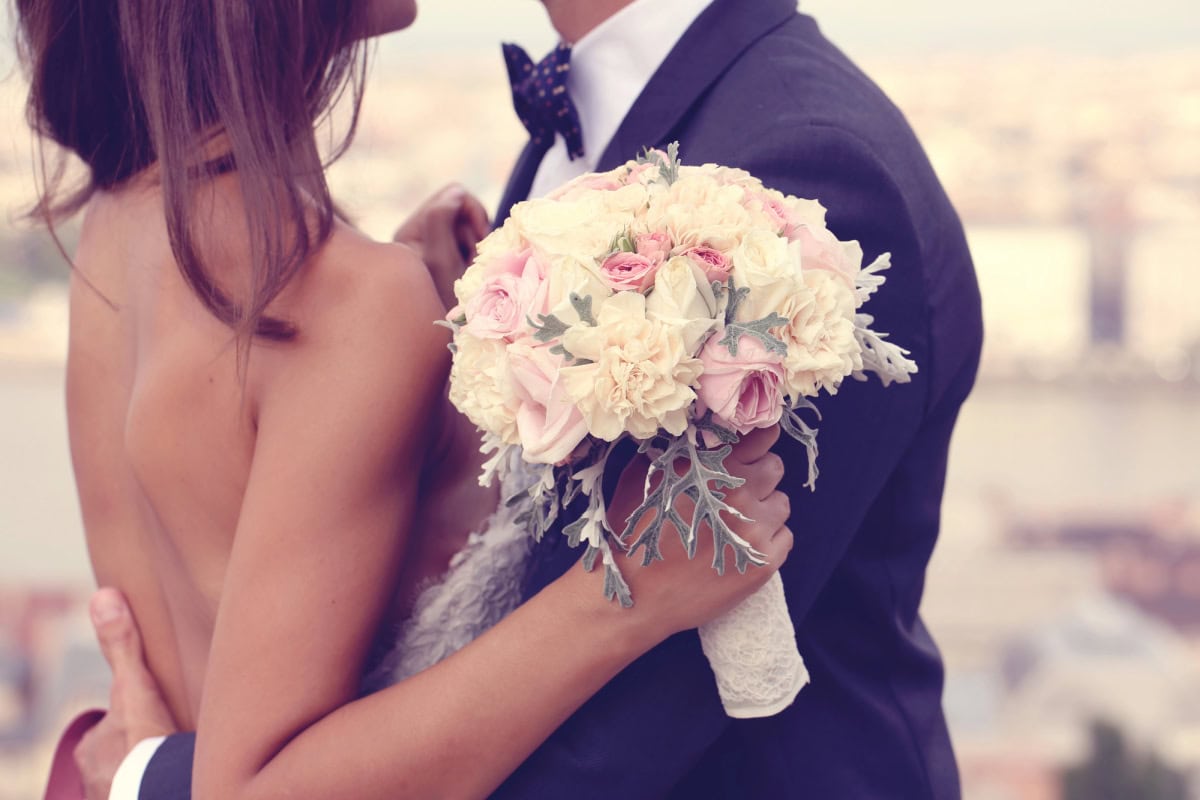
Does Metal Choice Change How a Style Looks
Yes, and it changes more than most people expect going in. A vintage-inspired setting in yellow gold reads differently than the same design in white gold or platinum, since warmer metals tend to emphasize the antique feel while cooler metals make the same setting look more modern and clean.
Skin tone and existing jewelry also factor in here. Someone who already wears mostly silver-toned jewelry day to day usually prefers how white gold or platinum looks against their hand, while someone who leans toward warmer tones in their wardrobe often prefers how yellow or rose gold reads. Trying a few metal and style combinations in person, rather than guessing from photos, tends to prevent buyer’s remorse after the purchase.
Lifestyle matters too, separate from looks. Platinum is denser and more durable under daily wear, which suits someone who works with their hands often, while white gold needs periodic rhodium replating to keep its bright finish. Rose gold has grown more popular in the last several years partly because its warmer tone hides small scratches better than white metals do, which matters for a ring worn every day for decades.
How Should Couples Actually Compare Options Side by Side
Comparing rings on a screen, one tab at a time, makes almost every setting look similar after the tenth photo. Grouping styles by category first, solitaire against solitaire, halo against halo, makes the real differences easier to see, since the comparison stays apples to apples instead of jumping between unrelated designs.
Couples can browse distinctive bridal styles from trusted jewelers like Necker’s. The pieces are grouped by setting type rather than listed in one long, undifferentiated feed, which makes it faster to build a short list before ever stepping into a store. That kind of organization also gives both people in the relationship something concrete to react to instead of vague preferences like “something classic” or “something unique.”
Bringing reference photos to an in-person visit also helps. A jeweler can usually pull three or four similar pieces once they see a photo, which narrows the conversation faster than describing a style in words alone.
It’s also worth having both people in the relationship weigh in on the same short list rather than shopping separately and comparing notes later. Preferences shift once a ring is on an actual hand under real light, and a style that looked like the clear favorite in photos sometimes loses out once it’s sitting next to two or three alternatives in person.
Deciding What to Try on First
The short version is that solitaire, halo, vintage-inspired, and three-stone settings cover most of the ground, and metal choice changes how each of those styles actually looks on the hand. From there, the fastest path forward is trying on two or three styles from different categories rather than a dozen variations of the same one.
The one next step worth taking is picking one style from each of those four categories and trying all of them on in the same sitting, since side-by-side comparison in person almost always clarifies a preference that photos alone cannot. A ring that felt like the obvious pick online sometimes gets edged out once it’s compared under the same light as two or three real alternatives, and that’s a far better place to discover a preference than after the purchase is already made.

- What Bridal Jewelry Styles Should Couples Look at Before Deciding? - September 29, 2026
- The Link Between a Straight Smile and Self-Confidence - September 29, 2026
- The Grab-and-Go Court Routine Every Pickleball Family Needs - September 28, 2026