Gift-giving looks simple until you actually sit down to do it. You know the person, you know the occasion, and you want the moment to land well. Then you start looking, and everything in front of you feels interchangeable. The problem is rarely a lack of options. It is that most options were designed for everyone, which means they were designed for no one in particular.
A gift with a real connection works differently. It points at something specific about the person receiving it: a hobby they have kept up for years, a place that means something to them, a running joke between the two of you, a part of their life they rarely get credit for. That kind of choice takes more thought, but it also takes far less money than people assume. What follows is a practical way to think it through.

When the Recipient Already Collects Something
An interest that someone has kept up for years does most of the work for you, because it narrows the search before you start. Collections of small hand-painted porcelain pieces are a good example: the person already knows what they have, what they are missing, and which design they would most like next. That last design is usually one that was retired from production long ago, which is why it never turns up in an ordinary shop.
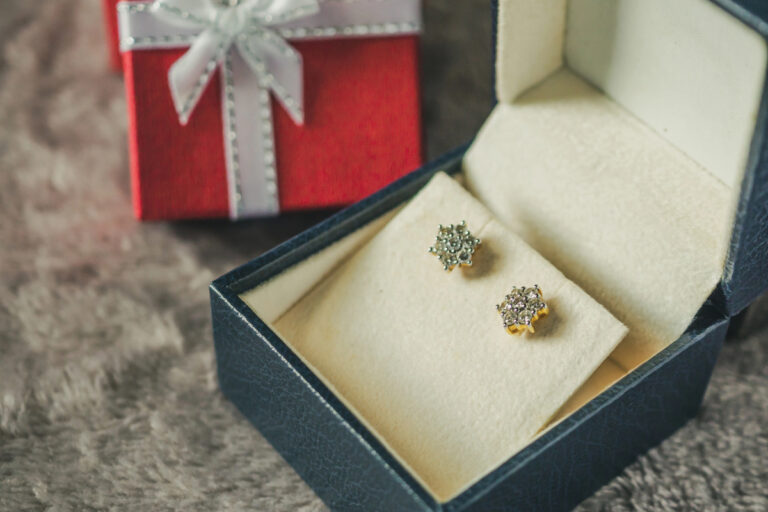
For a collector, vintage Limoges boxes are among the few gifts capable of filling a gap they have never managed to fill themselves. Finding the exact one they have been after is what turns a gift into proof that you were listening.
Why Generic Gifts Rarely Leave an Impression
A safe gift is safe because it cannot offend anyone. It also cannot mean anything to anyone. The candle, the gift card, the boxed set of something pleasant: all of them communicate goodwill, and none of them communicate attention. The recipient is grateful, says thank you, and forgets about it by the following month.
The gifts people remember carry a small piece of evidence that someone was paying attention. Evidence is the key word. It is not about spending more. It is about the recipient being able to look at the thing in their hands and work out, without being told, that you had them in mind while you chose it.
Start By Noticing What Already Occupies Their Time
The information you need is almost always available before you start shopping. It shows up in what people talk about unprompted, what sits on their shelves, how they spend a free Saturday, and what they photograph. Someone who spends weekends in the garden, someone who cannot pass a bookshop, someone who has been slowly building a collection of one particular thing for a decade: each of these is a clear signal.
If you are stuck, think back over your last few conversations rather than browsing a store. Ask yourself what the person complained about, what they got excited about, and what they mentioned twice. Those three questions tend to produce better answers than any gift guide will.
The Difference Between an Object and a Keepsake
Some possessions are used and eventually replaced. Others get kept, moved from house to house, and shown to people years later. The difference has very little to do with price and almost everything to do with association.
An object becomes a keepsake when it is tied to a person, a moment, or a relationship. The item itself is the anchor, but the memory is the reason it stays. This is why handmade things, inherited things, and carefully chosen things survive in homes long after practical purchases have been thrown out.
If you want your gift to last, aim for something the recipient can attach a story to. That story is usually you.
How Shared Memories Give a Present Its Weight
The strongest gifts often reference something the two of you experienced together. A trip taken years ago, a shared interest that started by accident, an inside reference nobody else would understand: these give an ordinary object a meaning that no one outside the relationship can see.
This works because you are not simply handing over a thing. You are showing the person that you remember. For many people, being remembered accurately is rarer and more valuable than being given something expensive.
Questions Worth Asking Before You Buy
A short check before you commit will catch most mistakes.
Does this reflect something specific about the person, or something general about the occasion? Would they recognize themselves in it? Is it something they would enjoy owning, or something they would feel obliged to display? Does it add to something they already care about, or ask them to start caring about something new?
That last question matters more than people expect. Gifts that try to redirect someone’s interests rarely land well. Gifts that support an interest they already have almost always do.
Presentation and the Moment of Handing It Over
How a gift is given changes how it is received. A well-chosen item handed over without context can still feel casual, while the same item accompanied by two honest sentences becomes memorable.
Say why you chose it. Not at length, and not as a speech, but plainly. Tell the person what made you think of them. This takes ten seconds and roughly doubles the effect of everything you did beforehand.
A short written note works just as well, and it has the advantage of lasting. Many people keep the note long after the occasion has passed, and some keep it alongside the gift itself.
Why the Best Choices Are Still Valued Years Later
The test of a good gift is not the reaction on the day. Plenty of things get a warm response and then sit unused. The real test comes later, when the item is still in use, still on display, or still being mentioned.
Gifts that pass that test usually share the same qualities. They connect to a genuine interest, they carry a memory, they were chosen rather than defaulted to, and they do not depend on the recipient changing anything about how they live.
None of that requires a large budget or unusual creativity. It requires knowing the person and being willing to act on what you know. The next time you find yourself scrolling through options and feeling nothing, stop looking at products and start thinking about the recipient. The right choice tends to become obvious once you are asking the right question.

- Understanding Your Property Rights When Entering a Lease - September 30, 2026
- Capsule, Tablet, Gummy: What the Format Changes - September 30, 2026
- How Hobbies, Collections and Shared Memories Point You Toward a Meaningful Gift - September 30, 2026