Anyone who has carried a birthday cake across town knows the feeling. Every speed bump makes your heart jump. Every sharp turn has you glancing at the passenger seat. You arrive, open the lid slowly, and either breathe a sigh of relief or stare at a smudge of buttercream where a perfect piped rosette used to be.
For bakers, that nervous trip happens with every single order. You can spend hours laminating croissant dough or decorating a celebration cake, but the customer’s experience still depends on the twenty minutes after it leaves your counter. That’s why packaging in a bakery isn’t a small detail. It’s the final step of the recipe.
In this guide, we’ll look at why baked goods are so tricky to pack, how to match the container to the bake, and a few simple habits that help your treats arrive looking as good as they did in the display case.
Why Baked Goods Are So Hard to Pack
Compared with most food, baked goods are surprisingly demanding. They’re fragile, for a start. Meringues crack, tarts chip and layer cakes lean if they’re knocked.
The bigger challenge is moisture, because different bakes want completely opposite things:
- Crusty bread needs to breathe. Seal it in plastic while it’s warm and the crust turns soft and leathery within hours.
- Sponge cakes need protection from air. Left exposed, they dry out quickly.
- Cream and custard fillings need to stay cool. Warmth makes them soften and spoil faster.
- Glazes and icing stay sticky. They smudge on anything they touch.
- Buttery pastries leak grease. It quietly soaks into whatever is holding them.
On top of that, there’s a presentation. People buy baked treats with their eyes. They choose the cupcake with the neatest swirl and the cake with the prettiest decoration, so a squashed result feels like a real letdown, even if it still tastes great.
This is exactly why well-designed bakery boxes are built around specific products rather than being one-size-fits-all. The right height, base strength, and insert can be the difference between a happy customer and a disappointed one.
Matching the Container to the Bake
Good bakers are precise with their recipes, and it pays to think about packaging the same way. Here’s how to approach the most common items.
Celebration Cakes
The golden rule for cakes is clearance. The lid should sit well above the highest point of the decoration so nothing gets pressed or smudged.
Always use a firm cake board underneath, since a flimsy base flexes when lifted and can crack the cake. Boxes that open fully from the front or top let you slide the cake in without fingers getting near the frosting. A clear window lets the customer check their cake without lifting the lid in the car.
Cupcakes and Muffins
Cupcakes are notorious for tipping over and sliding into one another. The easiest fix is an insert with individual cavities that holds each one upright. Inserts usually come for one, four, six or twelve cupcakes, so you can match the box to the order instead of leaving empty space for things to roll around in.
Cookies, Macarons and Delicate Pieces
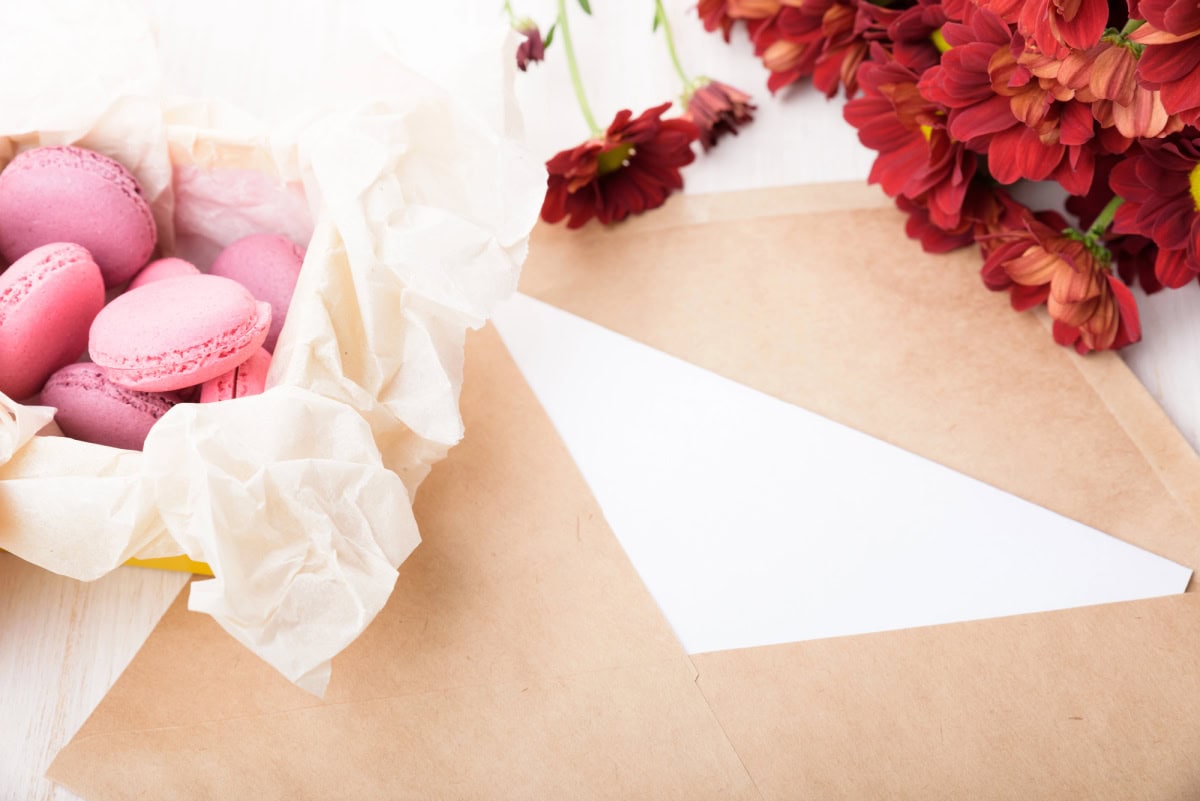
Small, delicate items need a snug fit. Macarons crack easily and are sensitive to humidity, so slim, rigid boxes with a tray or individual slots work best.
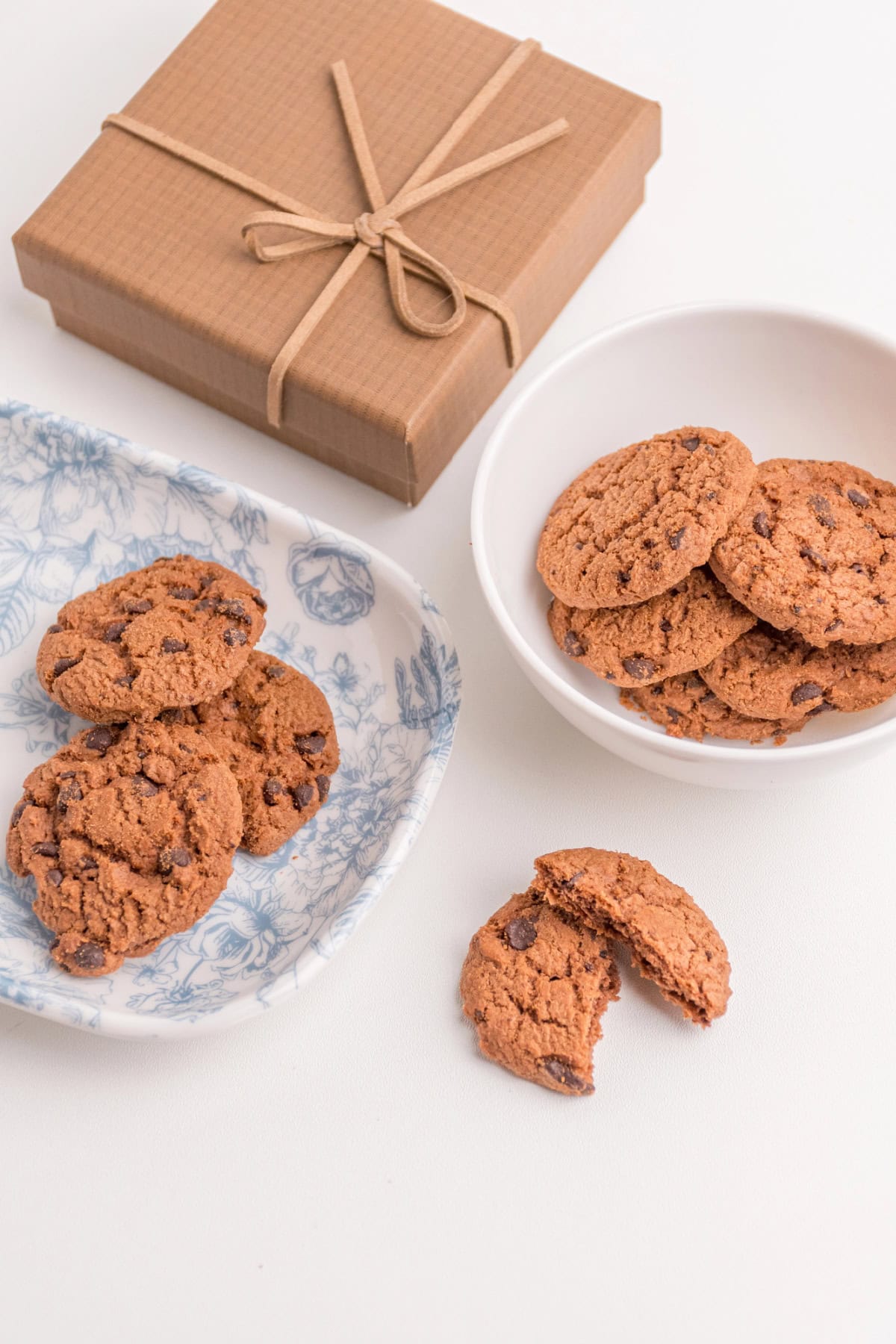
For cookies, a layer of greaseproof tissue between rows stops them sticking together and keeps the box clean. If you’re selling them as gifts, a sturdier rigid box adds weight and a sense of occasion.
Bread and Pastries
Bread is happiest on paper. Paper bags let excess moisture escape so the crust stays crisp, while plastic bags suit sliced loaves that need to stay soft for a few days.
Croissants, Danish pastries and other laminated bakes lose their crunch quickly in sealed containers. Use grease-resistant paper bags or vented boxes, and pack them once they’ve cooled slightly.
Quick Reference: What Each Bake Needs
| Bake | Main risk | What helps |
|---|---|---|
| Celebration cakes | Smudged frosting, cracked base | Tall box, firm cake board, front- or top-opening lid |
| Cupcakes and muffins | Tipping and sliding | Inserts with individual cavities |
| Macarons and cookies | Cracking, humidity, sticking | Slim rigid box, tray, greaseproof tissue |
| Bread and pastries | Soggy crust, grease marks | Paper bags, vented boxes, grease-resistant paper |
| Savory and lunch items | Leaks, heat loss | Compartments, small vents, firm lids |
When the Menu Grows Beyond Sweets
Many bakeries don’t stop at cakes and pastries anymore. Sandwiches, quiches, savoury pies, sausage rolls, salads and breakfast bowls are now part of the everyday offer at a lot of neighbourhood bakeries and cafés. Some also take catering orders for offices, family events and parties.
These items bring a different set of needs. Savory food is often heavier, oilier and served warm, and it frequently comes with sauces or dressings that can leak.
That’s where sturdy, grease-resistant food boxes come in. Look for options with:
- Compartments to keep wet and dry items apart
- Small vents for anything hot and crispy
- Firm lids that can be stacked safely in a delivery bag
For catering trays, think about how the order will be carried. A large platter is only useful if it survives the trip from your van to the meeting room.
It also helps to keep your sweet and savoury packaging visually related. If your cake boxes are soft pink with a simple logo, using the same colour or stamp on your lunch packaging helps customers recognise you across the whole menu.
Window or No Window?
Clear windows are popular for a good reason. They show off the product, help staff check orders at a glance and encourage impulse buys when boxes are stacked on the counter. A passer-by who spots colorful cupcakes through a window is far more likely to come in.
The trade-off is sustainability. Traditional plastic windows can make a box harder to recycle, because the two materials need separating. If that matters to you and your customers, ask suppliers about windows made from plant-based film, or skip the window and use attractive printing or a simple illustration of what’s inside. A neatly printed box can be just as tempting as a see-through one.
Making Your Packaging Part of the Experience
Bakeries are emotional businesses. People come to you for birthdays, anniversaries, weekend treats and small moments of comfort, so your packaging becomes part of a memory.
Every box that leaves your shop is also a walking advertisement. It gets carried down the high street, set down on office tables and photographed at parties. Your name and logo should be easy to spot, but the overall feel matters more. Soft pastels, a ribbon, a handwritten “thank you” sticker or a simple stamp on a kraft board can all feel warm and personal without costing much.
Don’t forget the bag. Plenty of customers buy a loaf, a couple of pastries, and a coffee in one visit, and juggling all of that isn’t fun. Sturdy, well-designed branded paper bags make the whole order easy to carry. And because a bag swings at hand height all the way down the street, your logo gets seen by far more people than a box tucked under someone’s arm.
Seasonal touches work especially well too. Limited designs for festive holidays, Valentine’s Day or local celebrations give regulars something new to look forward to. Even a different coloured ribbon or sticker for the season can make standard packaging feel special.
Making the Counter Run Smoothly
Packaging isn’t only about the customer. It also affects how quickly and calmly your team works during the morning rush. A few habits help a lot:
- Pre-fold boxes before opening. Ten minutes of folding in the morning saves a lot of stress when the queue is out the door.
- Keep sizes organized. Store each size in a clearly labelled spot near the counter so staff can grab the right one without thinking.
- Use flavour or allergen stickers. Small labels on the lid tell staff and customers exactly what’s inside, which is especially useful for mixed boxes.
- Train the team on handling. Show everyone how to lift and slide a cake safely, and how to hand it over so it stays level.
Freshness and Food Safety Basics
Whatever you sell, the inside of the box should be as safe as your kitchen. Choose materials rated for direct food contact, especially for anything greasy, warm or moist.
Pro tip: let it cool first. Boxing items while they’re still steaming traps heat, which turns into condensation. That softens crusts and can make food spoil faster. A few minutes on a cooling rack makes a real difference.
Cream, custard and fresh fruit items should stay chilled until collection, and it’s worth reminding customers to refrigerate them at home. Clear labels with a “best enjoyed by” date, simple storage tips and allergen information protect your customers and build trust. Labeling rules vary by country, so check with your local food authority to make sure you’ve covered everything.
A Greener Approach That Still Works
Paperboard and kraft are a natural fit for bakeries, and many customers already expect them. Most clean paperboard can be recycled, although heavily greased or cream-covered boxes often can’t, so a short note explaining how to dispose of the box is genuinely useful. Compostable liners, paper-based windows and avoiding unnecessary extra layers all add up.
The aim is simple: use as much packaging as the product needs to arrive safely, and no more.
Quick Packaging Checklist for Bakers
Before you place your next order, ask yourself:
- Does each box have enough height and clearance for the decoration?
- Is the base strong enough to carry the weight without flexing?
- Do cupcakes, macarons and small items have inserts or trays?
- Are greasy or savory items packed in grease-resistant materials?
- Can the box be carried and opened easily, without tape or scissors?
- Are allergen and storage details clear?
- Does it look like your bakery?
- Have you tested it with a real order on a real journey?
Final Thoughts
Great baking deserves to arrive in one piece. The care you put into your dough, fillings and decoration shouldn’t be undone by a box that’s too short, too flimsy or too airtight.
The good news is that small changes make a big difference. Match the box to the bake, keep things organised behind the counter, be honest about freshness and materials, and let your personality show on the outside. Do that, and every box that leaves your shop carries a little of your bakery’s warmth with it, right up to the moment the lid comes off.

- From Oven to Doorstep: Keeping Baked Goods Fresh, Safe - October 27, 2026
- 7 Stocking Stuffers for the Home Cocktail Lover (That They’ll Actually Use) - October 27, 2026
- 6 Home Care Agencies in Southeast Florida: Services, Credentials, and What Families Should Know - October 27, 2026