You may pack clothes, chargers, toiletries, and maybe some gifts to take on a flight. Once checked in, your case is loaded onto baggage belts, carts, and loading points where you do not have control over its handling. The sound of a hard knock or moving contents may make you wonder whether everything will come out safe or not.
A hardside luggage set can alleviate these concerns with its stiff outer shell and convenient travel characteristics. Though there is no suitcase that can guarantee that the belongings will be delivered undamaged, the appropriate construction and reasonable packing may lessen some common risks.
How do these features make a difference during air travel?
Here are eight ways a hardside luggage set can help safeguard your packed items from check-in to baggage claim.
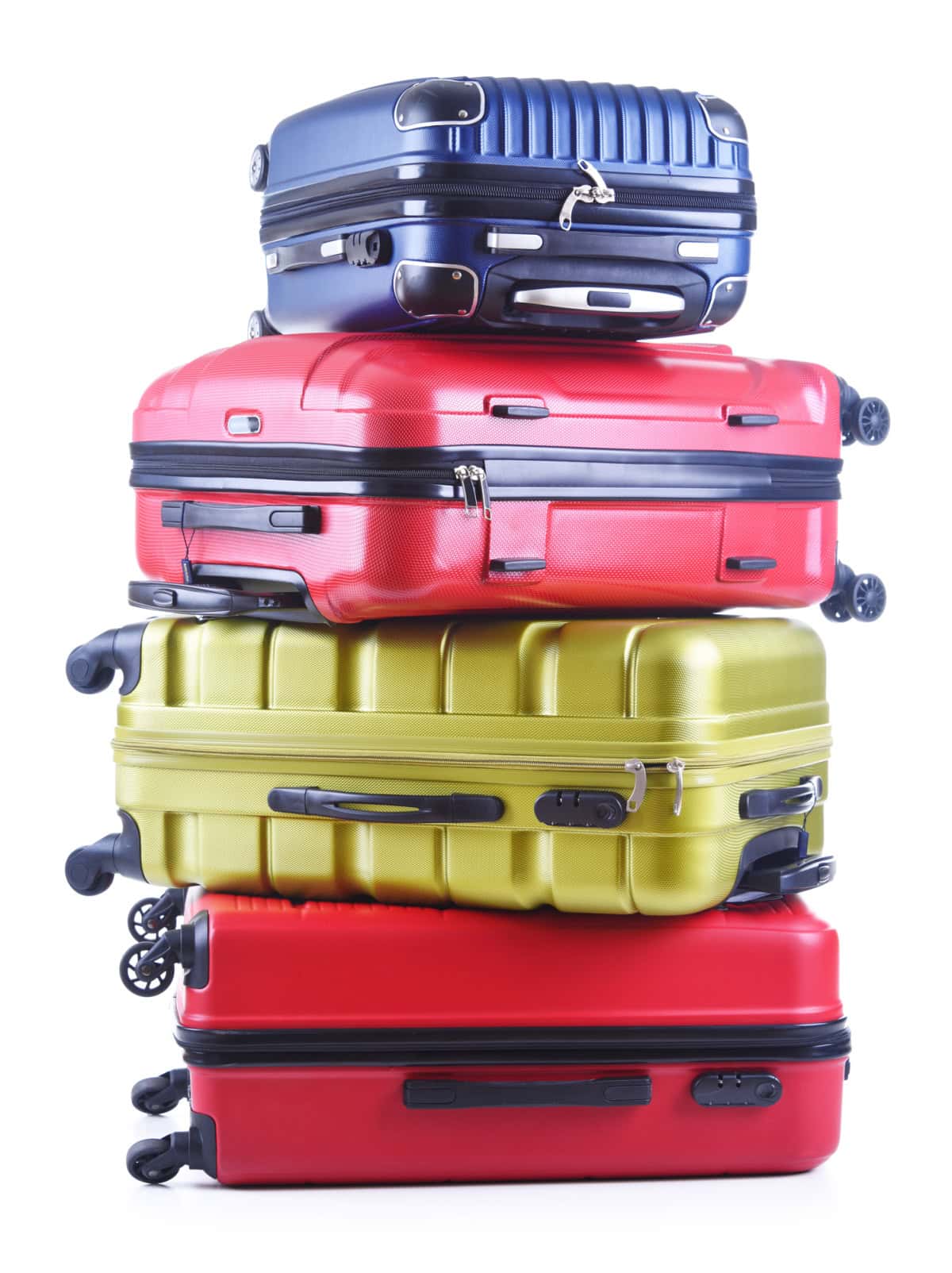
1. Rigid Shell Helps Buffer Bumps
A hard outer shell provides protection to packed items. When traveling by air, luggage carried by the airline can collide with other luggage or other airport machinery along the handling conveyors. A hard shell assists in keeping its form and can protect the contents against regular hits and scratches.
Shell materials can be different, including ABS, plastic, or polycarbonate. All of them possess varying characteristics of flexibility, weight, and impact resistance, and thus the material may affect the ability of the case to meet the requirements of traveling.
When comparing a hardside luggage set, consider the shell material, flexibility, and overall construction to understand how well the case may withstand bumps during air travel.
2. Spinner Wheels Support Easier Movement
Many hardside suitcases feature spinner wheels that rotate in different directions, making it easier to navigate airport terminals, queues, and narrow spaces. The wheel design and construction influence how well a suitcase rolls across different surfaces.
Well-designed wheels help travelers guide their luggage without dragging it at an awkward angle. However, performance varies by model, and rough surfaces or excessive weight can make a suitcase harder to move.
Inspecting the wheels before departure can help identify potential problems. Roll each suitcase across a flat surface and check for wobbling, resistance, or unusual noises. Address loose or damaged wheels before heading to the airport to reduce the risk of handling difficulties.
3. Built-In TSA Locks Help Secure Zippers
Some hardside suitcases feature TSA-recognized locks that secure zipper pulls and help deter casual tampering. These locks allow authorized security officers to open and relock the case with approved tools when an inspection is required.
However, a lock cannot guarantee that luggage will remain untouched or prevent theft. Set the combination before departure, if applicable, and make sure the lock engages and releases properly.
Keep passports, cash, medication, jewelry, and other valuables in a personal bag whenever possible. If you’re traveling internationally, check the security requirements for your route, as inspection procedures and regulations may vary.
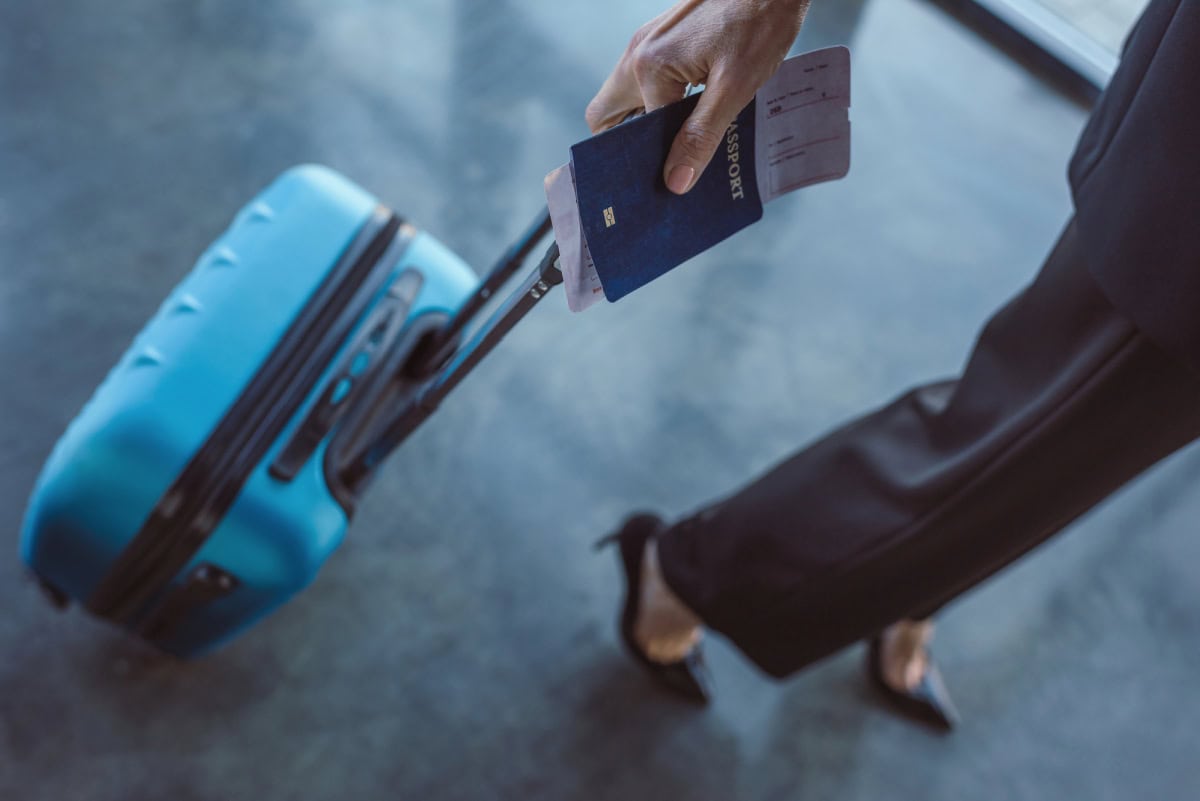
4. Connecting Features Make Two Cases Easier to Manage
Managing two suitcases at once can be awkward, especially when you also have a backpack or travel documents to carry. Some two-piece sets include straps or attachment systems that let the cases stay together while you’re on the move.
This setup can make it easier to handle multiple bags without needing a separate trolley. However, its main advantage is convenience, not impact protection, and it should not be relied on to prevent damage to either case.
Before moving the suitcases, check that the strap or attachment is secure. Disconnect the cases before lifting them individually or placing them on a baggage belt to avoid putting unnecessary strain on the handles or attachment points.
5. Two Suitcase Sizes Help Organize Belongings
Two-piece hardside luggage sets often pair a smaller carry-on with a larger checked suitcase. Having both sizes gives you more flexibility for trips of different lengths and lets you keep in-flight essentials separate from items packed for the hold.
Splitting belongings between the cases also makes it easier to manage what you carry. Place heavier items near the wheels for better stability, and reserve the larger suitcase for things you won’t need during the flight.
Avoid overpacking, as excess pressure can strain zippers, distort the shell, and make the case difficult to close. Before departure, check your airline’s baggage size and weight limits, which can vary by carrier, route, and ticket type.
6. Grip Handles Support Easier Lifting
Top and side handles let travelers lift and position suitcases during check-in, loading, and storage. Although handle design and grip comfort vary by model, sturdy, securely fitted handles make it easier to place a case on a weighing scale or load it into a vehicle.
Some models also have a flat top that can temporarily support a smaller bag while the suitcase is stationary. However, this feature is intended for convenience rather than added shell protection, and its usefulness depends on the case’s design.
Use the designated handles when lifting a suitcase, and check that they feel secure before putting weight on them. Remove any bag resting on top before rolling the luggage to prevent it from slipping off.
7. Charging Accessories and Battery Rules Help Protect Electronics
Some travel suitcases include charging ports or accessory pockets, although these features vary by model. A charging port typically requires a compatible power bank, and neither feature provides impact protection for electronic devices.
To reduce the risk of damage, store phones, tablets, and other sensitive devices in padded sleeves whenever possible. Keep them separate from sharp or heavy objects that could press against their screens during transit.
If your carry-on is taken at the gate and placed in the cargo hold, remove your power bank and keep it with you. Check your airline’s requirements for electronic devices and batteries before flying, as restrictions may vary depending on battery type and other circumstances.
8. Warranty and Claim Steps Offer Support After Damage
Warranty coverage varies by luggage manufacturer and model. Some warranties cover specific repairs or replacements, subject to conditions and exclusions, so review the terms to understand what qualifies and how to request assistance.
If your suitcase is damaged during a trip, knowing how to report the problem can help you pursue a resolution. Photograph the affected areas and notify airline staff as soon as possible. Keep your baggage tag, travel documents, and a copy of any report you submit.
The U.S. Department of Transportation’s baggage guidance explains how passengers can address lost, delayed, or damaged baggage with airlines. Reporting deadlines, liability, and potential compensation depend on the circumstances and applicable rules, so retain relevant records until the matter is resolved.
Bottom Line
A hardside luggage set can help protect belongings during air travel with its rigid shell and, depending on the model, features such as spinner wheels, built-in locks, and practical handles. Multiple suitcase sizes can also make it easier to organize items for different trip lengths.
However, luggage design alone cannot prevent every form of damage. Pack fragile items carefully, avoid overfilled cases, follow airline battery regulations, and keep valuables in your personal item whenever possible.
Before departure, inspect the wheels, handles, zippers, and locks. If damage occurs during transit, document it and report the problem to the airline promptly.

- From Oven to Doorstep: Keeping Baked Goods Fresh, Safe - October 27, 2026
- 7 Stocking Stuffers for the Home Cocktail Lover (That They’ll Actually Use) - October 27, 2026
- 6 Home Care Agencies in Southeast Florida: Services, Credentials, and What Families Should Know - October 27, 2026