G’day, adventurers! Imagine cruising along the sun-drenched coastlines, winding through mountain ranges, or spotting kangaroos on a quiet Outback road. Driving in Australia gives you the freedom to explore the country’s raw beauty on your own terms—no crowded buses, no tight tour schedules, just you, the open road, and endless possibilities.
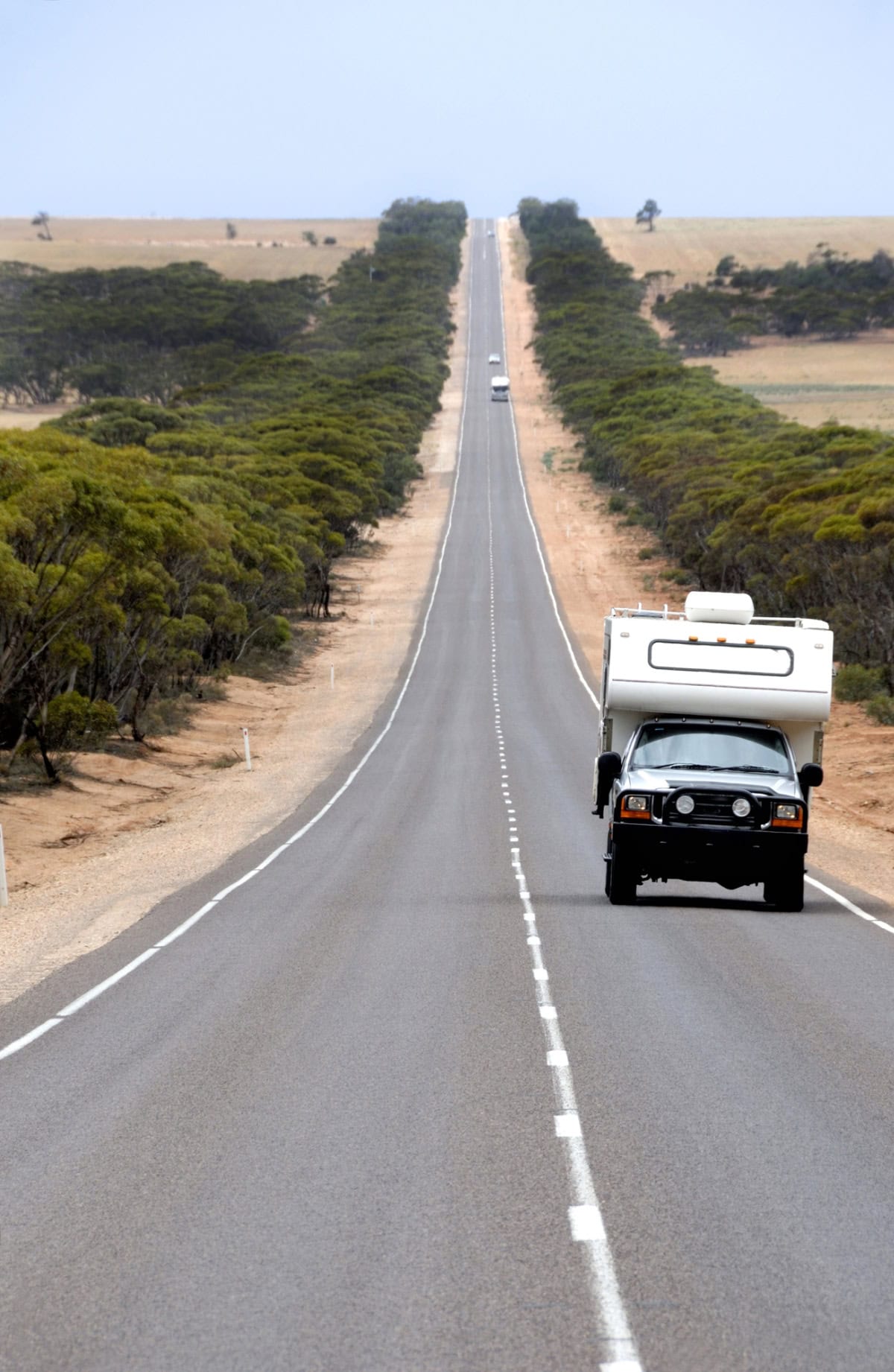
HOW INTERNATIONAL VISITORS CAN NAVIGATE AUSTRALIA BY CAR
If you’re planning to start your journey in Tasmania, choosing the right vehicle makes all the difference. Whether you’re exploring Hobart’s historic charm or heading out to the island’s rugged national parks, a reliable car hire service in hobart can help you get going with ease. It’s a practical first step for anyone looking to explore at their own pace, especially in a place where public transport is limited.
This guide will walk you through everything you need to know before hitting the road—from licensing requirements and road rules to trip planning and safety tips—so you can drive with confidence and focus on the adventure ahead.
License to Drive: What You Need
First, let’s get the legalities sorted. To drive in Australia as an international visitor, you’ll need a valid driver’s license from your home country. Seems simple, right? But there’s a little more to it.
If your license isn’t in English, you’ll also need an International Driving Permit (IDP). It’s basically a universal translation of your license. Getting one before you leave home is the easiest route. Alternatively, you can get an official translation, but honestly, the IDP is a safer bet.
Age matters too. Most rental companies require you to be at least 21 years old. And remember, rules can vary slightly between states and territories, so it’s important to check the specific regulations for the areas you’ll be driving in. Usually, you can drive on your overseas license for up to three months, but always verify this with the local authorities of each state you’ll be visiting.
To recap:
- Valid driver’s license (in English or with an IDP)
- Typically 21 years old (check rental company policies)
- Confirm state/territory rules for specific requirements and time limits.
Easy peasy, right?
Road Rules 101: Don’t End Up with a Hefty Fine
Okay, it’s time for the rules of the road. These are crucial for your safety and your wallet!
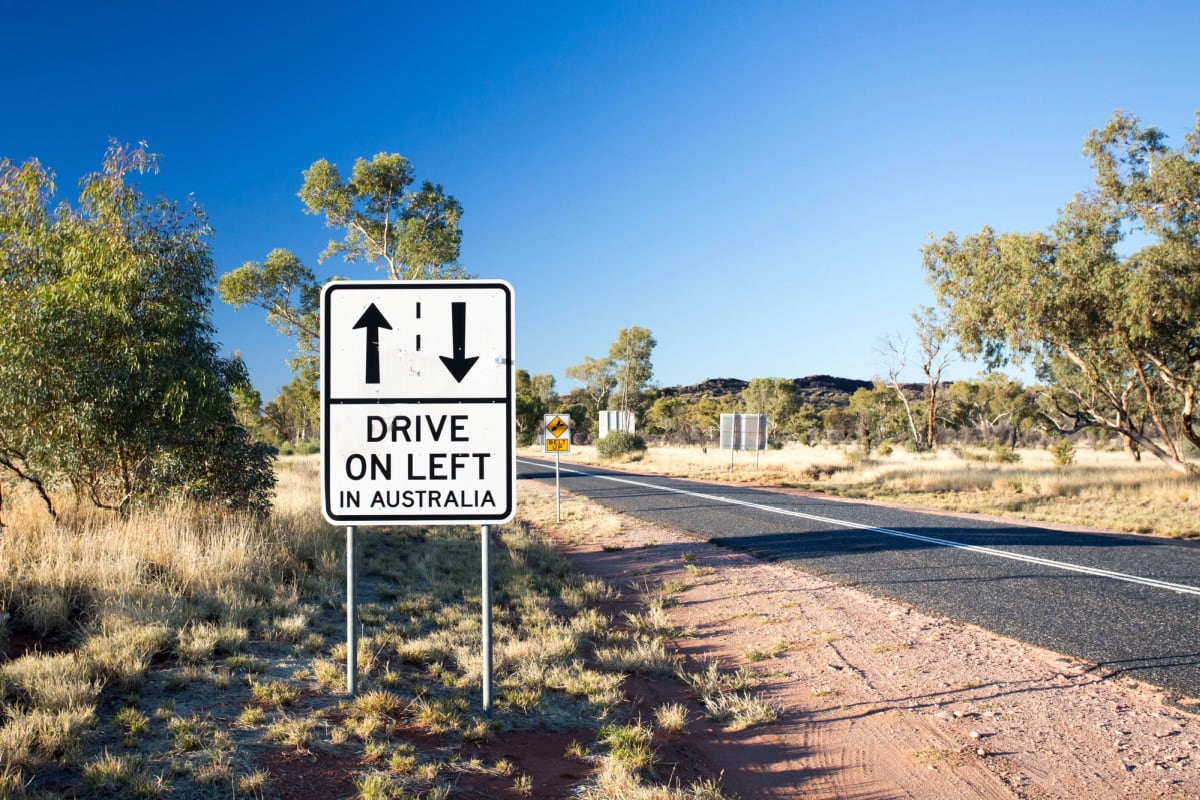
First and foremost: drive on the left-hand side of the road. I know you’ve heard it, but jet lag can play tricks on you. Pay extra attention, especially when pulling out of driveways or intersections. A friend of mine momentarily forgot this rule the other day and drove right into the wrong lane!
Speed limits vary. Expect 50 km/h (31 mph) in urban areas, 100 km/h (62 mph) on rural roads, and up to 110 km/h (68 mph) on highways. Keep an eye out for signs; those fines are no joke.
Seatbelts are mandatory for everyone. No excuses.
Mobile phones are a big no-no unless you’re using a hands-free setup. Get a good phone mount, and use Bluetooth or Apple CarPlay.
Roundabouts? Give way to the right. North Americans often forget this one.
School zones have reduced speed limits during specific hours, typically in the mornings and afternoons. Watch for the signs and slow down.
The legal blood alcohol limit is 0.05%. Learner and probationary drivers have a zero tolerance. Just don’t drink and drive. Ever.
Renting Your Ride: Choosing the Right Car
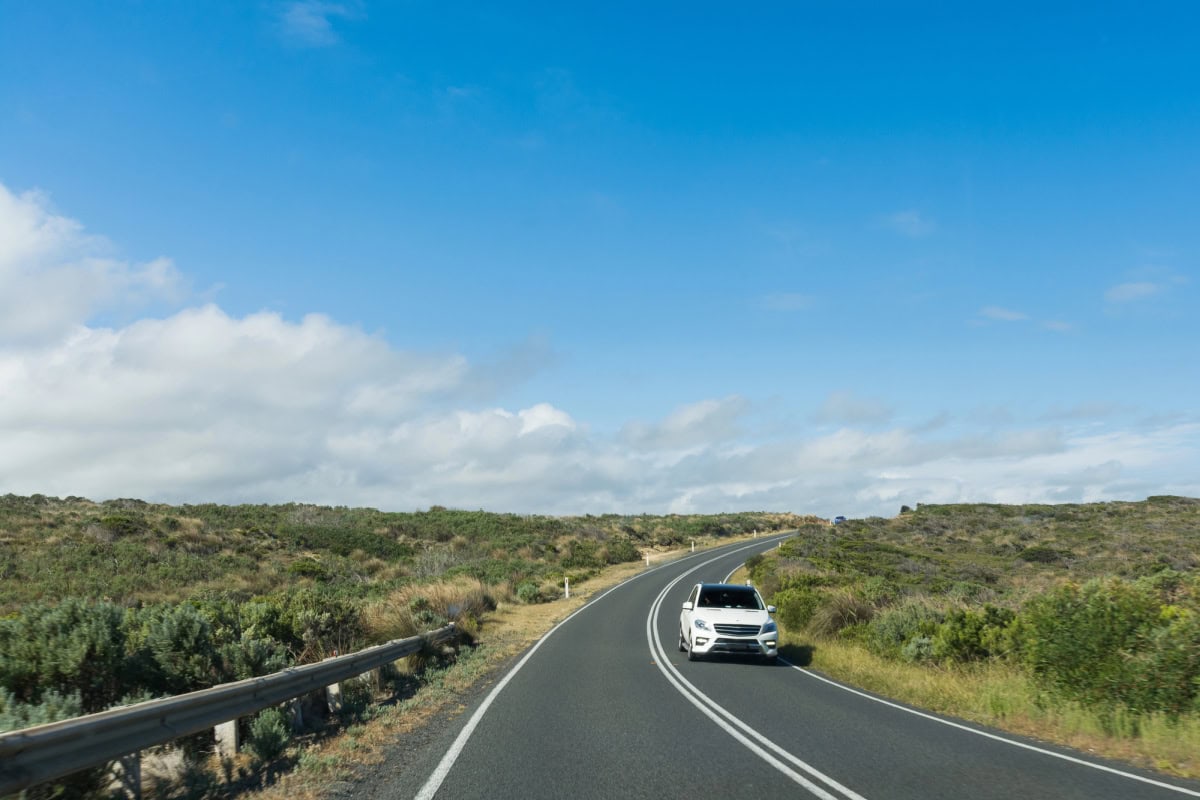
So, you’re licensed and know the rules. Now, let’s find you a car. Here’s what you need to know about renting a car in Australia.
Major rental companies include Hertz, Avis, Budget, Europcar, and Thrifty. You’ll find them at airports and in major cities. Typically, you’ll need to be of age, have a valid license (and IDP if required), and have a credit card for the security deposit.
Insurance is essential. Collision Damage Waiver (CDW) covers damage to the rental car, and liability insurance covers damage or injury to others. Personal accident insurance covers medical expenses if you’re injured. Read the fine print to understand your coverage. I once skipped the fine print and ended up paying a fortune because I misunderstood the exact level of coverage. Learn from my mistake!
Most rental cars are automatic these days, but you can find manuals if you prefer.
One-way rental fees can be steep. If you plan to pick up and drop off in different cities, factor that into your budget.
Book in advance, especially during holidays or school breaks. Availability is limited, and prices go up closer to the date. Comparison sites like Kayak and Expedia can help you find deals, but watch out for hidden add-ons and hefty bond deposits.
Road Trip Dreams: Itineraries by Region
Now for the fun part! Australia is huge, and the road trip possibilities are endless. Here are some ideas to spark your wanderlust:
East Coast Drive: Sydney to Cairns
A classic for a reason. Think stunning beaches, lush rainforests, and vibrant cities. Give yourself two to three weeks. Most roads are sealed, so any car will do. Stop at the Whitsunday Islands, Noosa, and Fraser Island.
Great Ocean Road (Victoria)
Iconic coastal views with the Twelve Apostles, dramatic cliffs, and charming towns. Plan three days to a week. The road is fully sealed, so any car is suitable. Don’t miss Bells Beach, Lorne, and Apollo Bay.
Tasmania Loop
Compact natural beauty. Tasmania is perfect for a week-long road trip with winding roads and breathtaking scenery. Road conditions are generally good, and even a 2WD car will suffice.
Perth to Exmouth (WA)
Remote and rugged coastline for adventurous souls. Two weeks minimum. Some sections may require a 4WD. Visit the Pinnacles Desert, Coral Bay, and Ningaloo Reef.
Red Centre Way: Alice Springs to Uluru
Outback landscapes and Aboriginal culture. A must-do. Plan at least five days. While mostly sealed, some gravel sections may require a 4WD. Explore Kings Canyon and the West MacDonnell Ranges.
Remember road trip apps and maps like Google Maps and Waze and offline maps like Maps.me.
Staying Safe and Sound: Outback Survival 101
Safety first! Australia can be unforgiving, especially in remote areas.
The emergency number is 000. Know it.
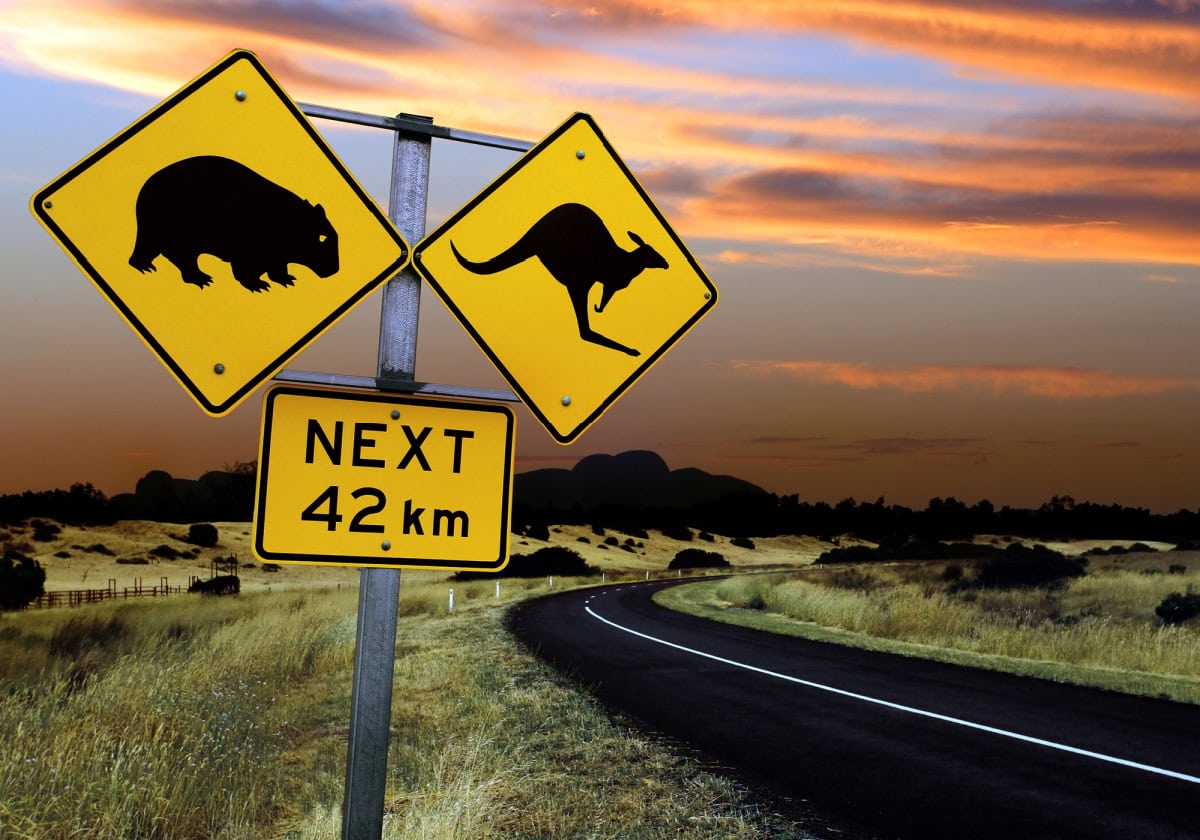
Watch for wildlife, especially at dawn and dusk. Drive slowly and be prepared to stop for kangaroos and emus.
Take rest breaks every two hours on long drives. Fatigue is dangerous.
Fuel stops are sparse in rural areas. Always fill up before long stretches. Running out of gas in the Outback is not a good time.
Mobile coverage is unreliable in remote areas. For outback trips, consider renting a satellite phone or personal locator beacon (PLB).
Avoid midday heat in summer, especially in central regions.
Pack a first aid kit, jumper cables, water, and a flashlight.
City Slicking: Parking and Tolls
City driving can be tricky. Here’s the lowdown.
Paid parking zones are everywhere. Pay attention to signs and pay the meter. Fines are hefty.
Electronic toll systems like E-TAG and Linkt are common, mostly on the East Coast.
Avoid rush hour in major cities like Sydney, Melbourne, and Brisbane. Seriously, use public transport if you can; the traffic is brutal.
Google Maps can usually identify tolls and parking, but always double-check the signage.
Aussie Driving Etiquette: Blending In
There’s some unwritten driving etiquette in Australia.
A wave or nod of thanks is common when someone lets you merge. It’s polite.
Be aware of “ute culture” (4WDs and trucks) in rural areas. Give them plenty of room.
Allow faster cars to overtake safely, especially on single-lane roads. Pull over and let them pass.
Pulling over for emergency vehicles is a must. Get out of their way.
Common Mistakes to Avoid: Don’t Be a Tourist Trap
Avoid these common pitfalls.
- Don’t underestimate distances or drive times. It’s a vast country.
- Don’t ignore weather conditions or fire danger warnings.
- Check road closures in remote areas. Big problems can arise if you don’t.
- Don’t forget to refuel or charge devices. Basic, but important.
- Don’t rely solely on mobile data/navigation in rural areas. Download offline maps.

Final Tips and Resources: You’ve Got This!
You’re almost there! Here are some final tips and resources to help you on your way:
Check out Roads and Transport for NSW for state-specific road rules.
Maps.me and Hema Maps are great offline navigation tools.
Stay informed about weather, traffic, and bushfire alerts with the Bureau of Meteorology and local fire authorities.
Driving in Australia is an amazing adventure with a bit of planning. Enjoy the open road, the incredible landscapes, and the freedom of your own Aussie road trip.
Safe travels!

- From Oven to Doorstep: Keeping Baked Goods Fresh, Safe - October 27, 2026
- 7 Stocking Stuffers for the Home Cocktail Lover (That They’ll Actually Use) - October 27, 2026
- 6 Home Care Agencies in Southeast Florida: Services, Credentials, and What Families Should Know - October 27, 2026