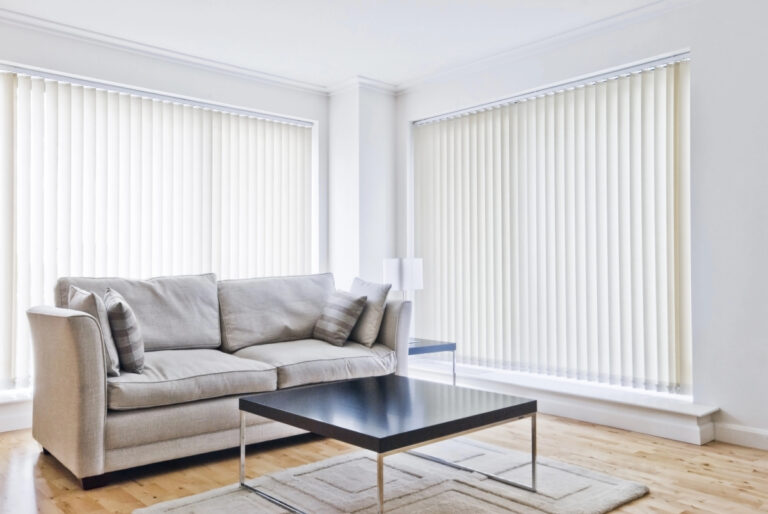
A house is fundamentally much more than just a structural composition of four walls and a protective roof; it is the sanctuary where memories are built, comfort is found, and personal style is expressed. When navigating the real estate market, homeowners often weigh significant investments against their potential returns, sometimes even considering selling a house as is to avoid the overwhelming hassle of major renovations. However, transforming a property into a deeply personal and inviting haven does not require a massive budget or a complete structural overhaul. Small, thoughtful touches and mindful design choices are what truly breathe life into a space and turn a standard house into a cherished home. By focusing on ambiance, physical comfort, and personal connection, you can create a warm environment that resonates with your unique story and provides a peaceful retreat from the outside world.
Mastering the Art of Warm Lighting
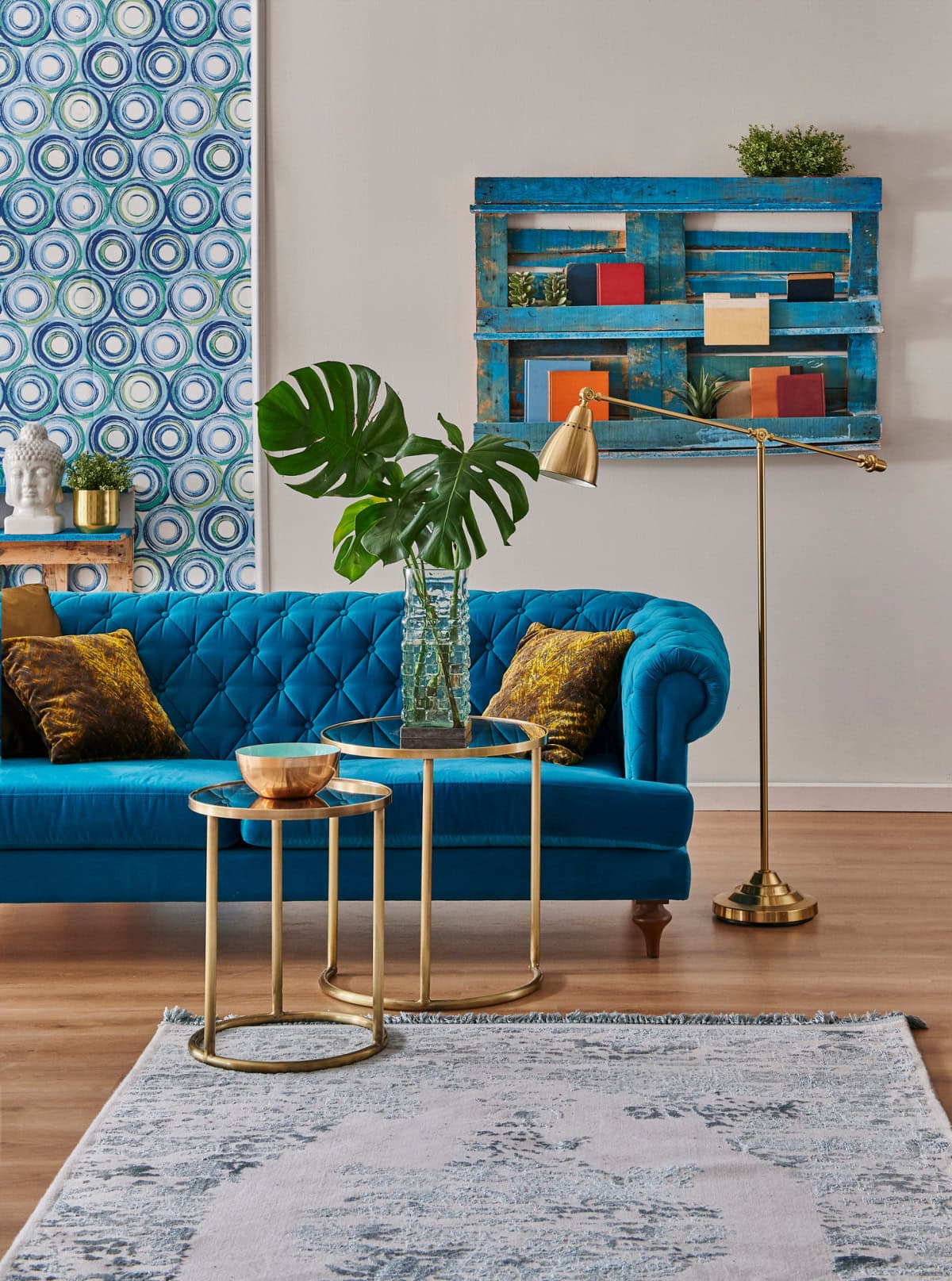
Proper lighting has the profound ability to completely alter the atmosphere of any room in your home. Harsh, bright overhead lights often make a living space feel sterile and unwelcoming, whereas warm lighting creates a soft, inviting glow that instantly puts occupants at ease. To achieve this comforting ambiance, layering different light sources, such as a combination of ambient overhead lights, table lamps, and floor lamps, adds necessary depth and flexibility to your living areas. In the Danish design philosophy of hygge, which is centered around creating cozy and joyful everyday moments, lighting plays a vital role in setting a peaceful mood. Incorporating shaded lamps and scattering candles can illuminate a room softly while establishing a relaxing escape. Furthermore, maximizing natural light is equally important for a home’s atmosphere. Utilizing mirrors placed strategically opposite or adjacent to windows acts as a natural light amplifier, reflecting sunshine into the deeper, darker corners of a room and making the entire space feel fresher, larger, and more open.
Cultivating Comfort Through Cozy Textures
A house instantly feels more like a home when its design invites you to wrap yourself in a blanket or walk barefoot across a plush rug. Incorporating cozy textures is a fundamental principle of welcoming interior design, heavily emphasizing comfort and the enjoyment of everyday life. Layering different fabrics, such as chunky knits, wool, fleece, and velvet, adds eye-catching visual interest and a profound sense of warmth to your living spaces. Soft furnishings like textured cushions, oversized throws, and flowing curtains not only give rooms a polished, finished look but also create a physical sensation of comfort before you even touch them. You can further enhance this welcoming atmosphere by establishing designated cozy nooks throughout your home. A reading corner equipped with a comfortable chair and a soft lamp, or a window seat layered with plush cushions, provides a small, personal pocket of comfort where you can unwind, read, and recharge away from the high traffic areas of the house.
Infusing Spaces with Nature and Biophilic Elements
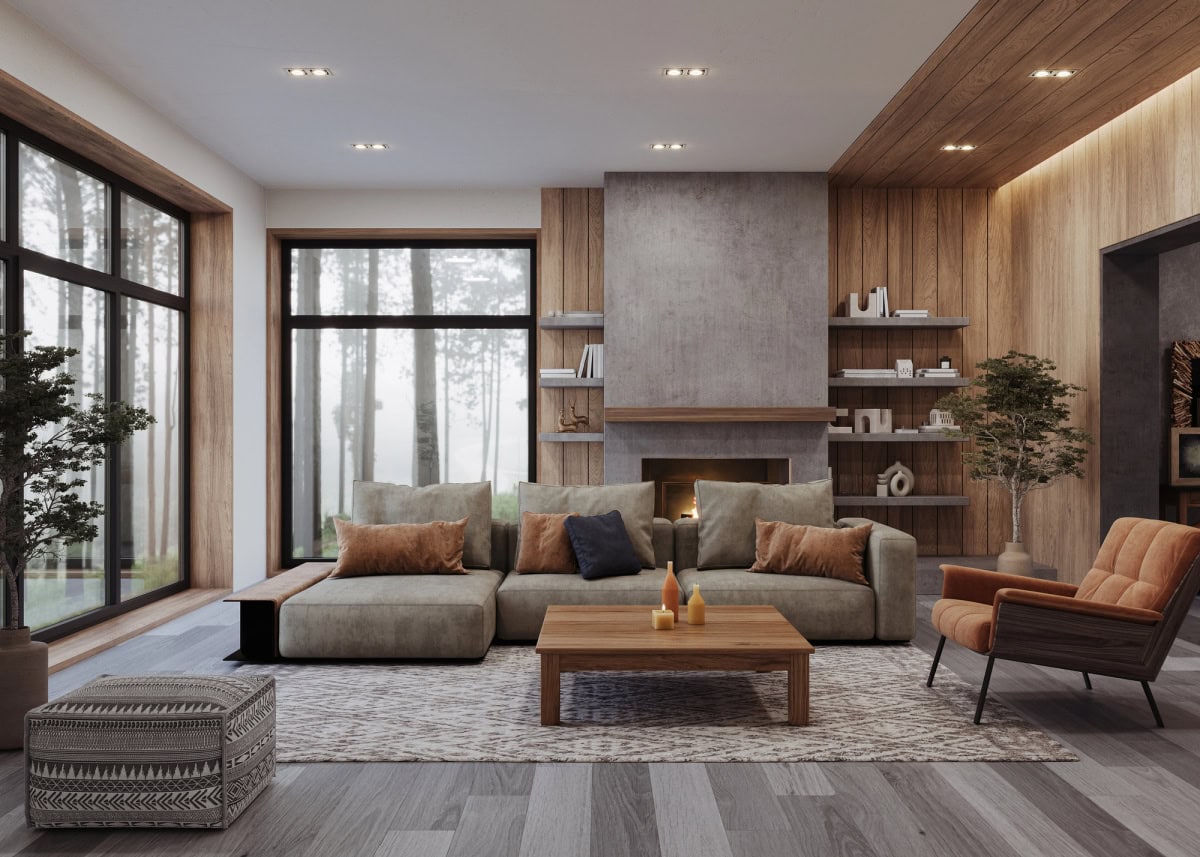
Bringing elements of the outdoors inside is a highly effective way to ground a space and make it feel truly alive. This concept, often referred to as biophilic design, intentionally brings nature into built environments to reduce stress, lower heart rates, and elevate mood. Nature has a deeply calming effect, and incorporating indoor plants, whether they are large potted varieties or small succulents, can significantly boost your overall mood while also improving the air quality in your home. If caring for live plants is not ideal for your lifestyle or schedule, even artificial plants or nature-inspired artwork can soothe the mind and foster relaxing vibes. Beyond greenery, utilizing natural materials like wood, stone, bamboo, or wicker in your furniture and decor helps create a harmonious connection to the natural world. Wood, in particular, adds timeless beauty, warmth, and texture to a room, with research even suggesting that solid wood environments can contribute to better sleep quality and enhanced relaxation.
Personalizing Your Space with Meaningful Decor
Surrounding yourself with items that hold deep personal meaning is one of the easiest and most authentic ways to make your space feel like it truly belongs to you. Rather than strictly following passing design trends or relying on generic store-bought items, decorating with family photos, travel souvenirs, and cherished heirlooms tells your unique story. Displaying a gallery wall of meaningful pictures or showcasing handcrafted pieces creates a profound sense of belonging and sparks joy every time you walk into the room. Collecting pieces slowly from flea markets, antique shops, or family hand-me-downs ensures that your home is filled with items you genuinely connect with, rather than sterile high-street homewares. Integrating your favorite books into your decor by keeping them within reach throughout your home is another excellent way to add soul to a room. This not only showcases your personal interests but also tempts you away from digital screens in favor of turning a page in a comfortable chair.
The Mental Health Benefits of a Decluttered Environment
The state of our physical surroundings has a direct and significant impact on our mental health and emotional stability. A cluttered, chaotic, or poorly lit space can lead to increased stress and anxiety, while an organized, tidy home fosters calmness and mental clarity. Decluttering your environment removes the visual noise that gets between you and a peaceful, productive life. By tackling clutter, you can sharpen your focus, relieve persistent anxiety, and boost your overall mood. A minimalist approach, where you strategically select functional and stylish pieces rather than overwhelming a room with excess, perfectly aligns with creating a serene sanctuary. Routine organization, such as a quick daily tidy, prevents messes from accumulating and ensures that your home remains a protective boundary against external stressors. This clear separation between the outside world and your personal haven allows you to fully relax, recharge, and enjoy the space you have curated.
Conclusion
Ultimately, turning a house into a home is a deeply personal journey that relies on intentional choices rather than grand expenditures. By embracing warm lighting, cozy textures, natural elements, meaningful decor, and an organized environment, you craft a sanctuary that actively nurtures your well-being. These small but highly impactful changes shape the daily experiences of you and your family, providing a steadfast foundation of comfort and emotional stability. Furthermore, a beautifully maintained and emotionally welcoming home holds universal appeal in the real estate market. Should your life circumstances ever change, presenting a house that immediately feels like a warm, inviting home to prospective buyers is often the fastest way to sell a house. Until that day comes, investing time and care into these small, thoughtful touches ensures that your living space remains a joyful, peaceful retreat tailored exactly to your lifestyle and personal story.

- What to Consider in a Sleep Supplement With Melatonin Included - October 26, 2026
- What Happens When Your Reputation Goes on Trial Before You Do? - October 26, 2026
- How to Build a Household Routine That Balances Laundry, Cleaning, and Family Time - October 26, 2026