A home with wooden interiors looks warm and elegant. But wood can invite a silent enemy: termites. These tiny pests work quietly and cause serious structural damage. Most of the termites feed on wood for months, or even years, with no one noticing. And by the time signs become visible, the damage has already been done.
Some houses and buildings face a greater risk of termite infestation than others, mainly because of structural vulnerabilities or climatic conditions. Identifying high-risk nesting areas can help you address the problem early and avoid costly structural repairs caused by termites. A little awareness paired with good maintenance habits and safe termite control practices can save you thousands of dollars in restoration costs.
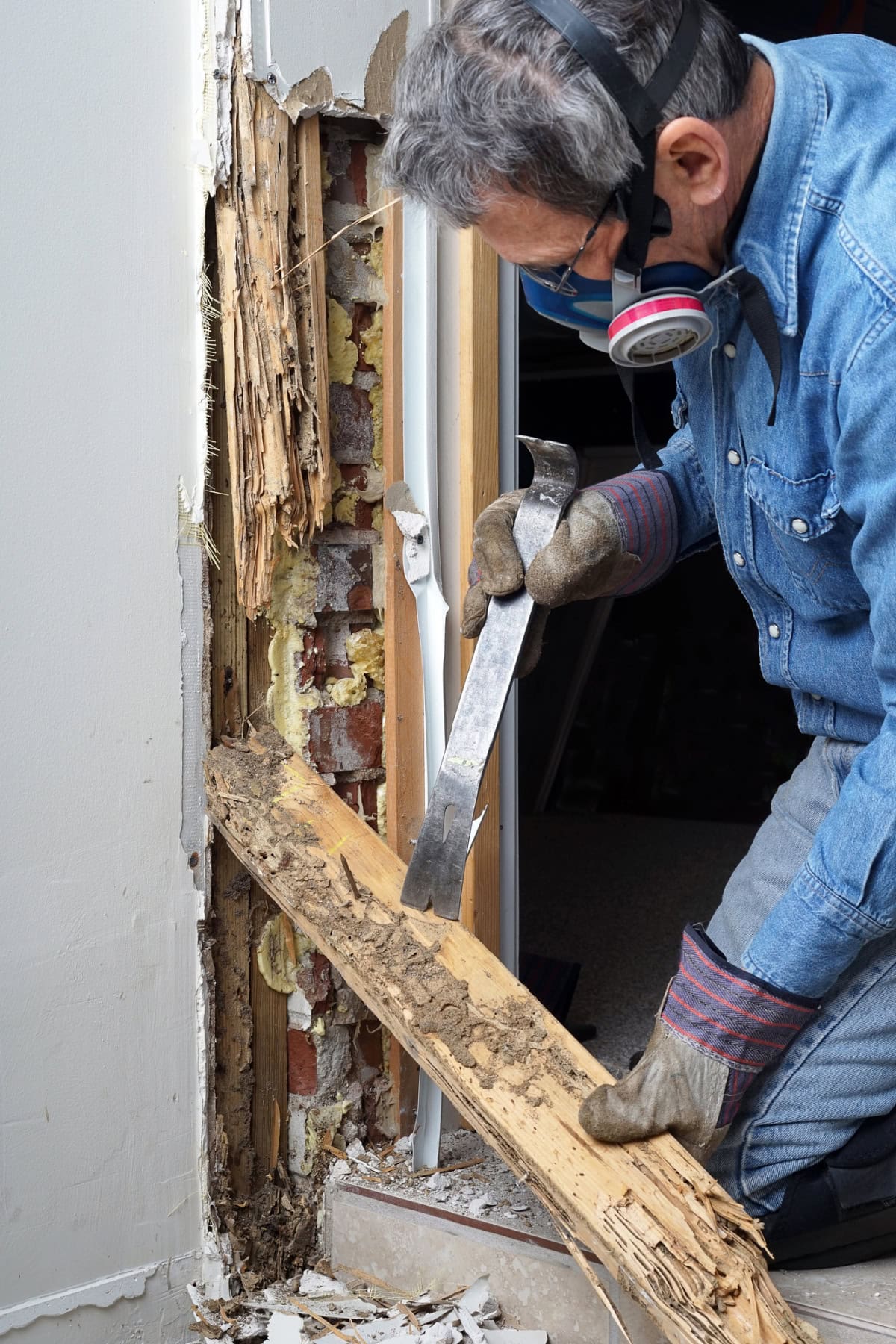
Foundation and Basement
The foundation and concrete basement walls support the structural integrity of your home. However, they are highly susceptible to termite damage. The walls may appear strong, but a small crack can serve as an entry point for termites.
Subterranean termites are highly destructive pests that affect foundations. They create extensive tunnel systems in soil and enter through cracks or gaps in concrete or around utility pipes. If compromised, you will notice doors sticking, uneven flooring, hollow-sounding wood, mud tubes along walls, bubbling floor surfaces, or blistering paint.
Attics and Roofs
Many homeowners mistakenly believe that termites stay close to the ground. But in reality, they can travel throughout the property once they have established a colony. Drywood termites find attics and roofs attractive because of the wooden frameworks, favorable temperatures, and secluded conditions. They thrive in joists, rafters, and stored wooden items and invade roofs when there’s water damage or leaks.
Also, most attics provide space for insulation and storage boxes, ideal for establishing multiple colonies. Blistered wood surfaces, discarded wings, droppings resembling pellets, and sagging beams are the common signs of active termite activity.
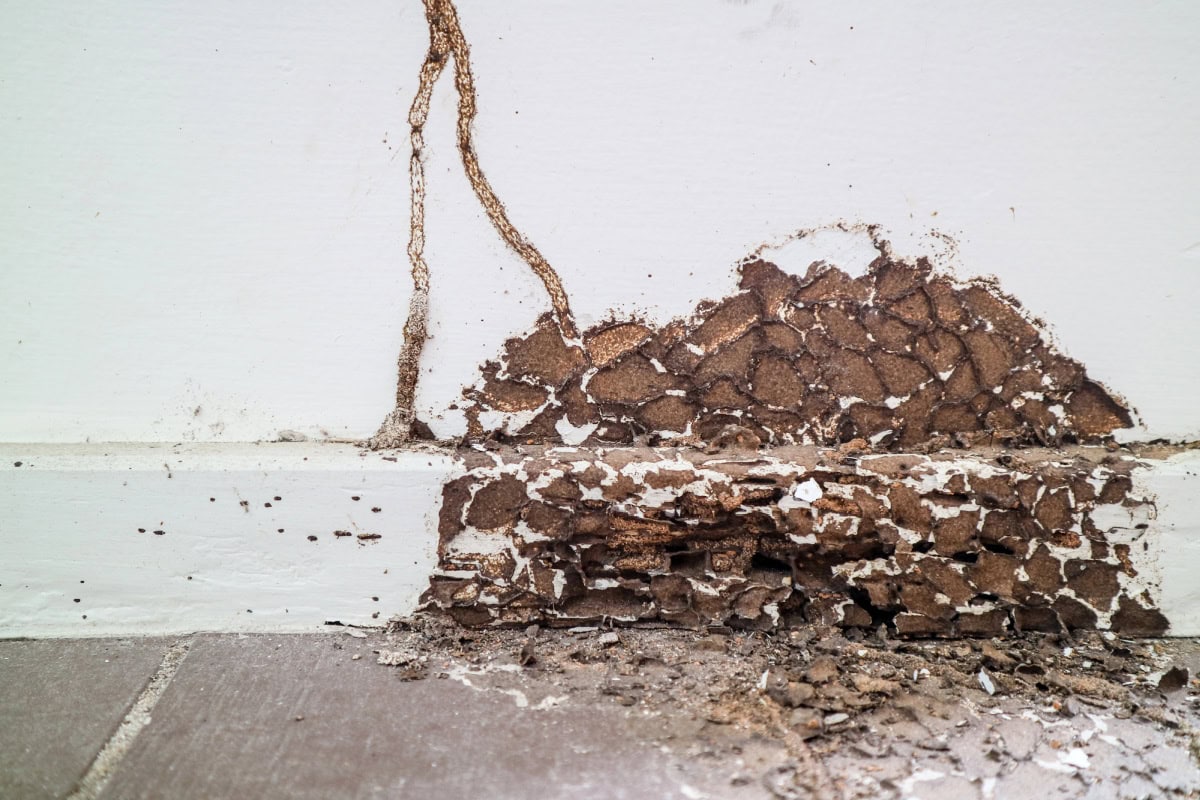
Gardens and Outdoor Structures
Your garden area is rich in moisture and organic matter, which also makes it a natural habitat for termites. Wood chips, decaying plant matter, mulch, and soil serve as both food and shelter for these destructive creatures. Outdoor colonies can expand fast and spread toward home structures if left untreated.
Outdoor wooden structures like wooden decks, porches, pergolas, and fences are at high risk, especially if they are untreated or rest directly on the soil. Termites can easily access them, increasing the risk of infestation. Keep mulch, stacked firewood, and weakened wood fibers away from exterior walls because termites can easily prey on them.
Wall Frames and Structural Timber
The wooden frame supports your home's structure. Unfortunately, it’s also termites’ favorite source of food. Beams, trim, flooring, wall studs, ceiling timbers, and framing are highly vulnerable, especially if there’s moisture in the wood. Wood closer to the ground is also at high risk because termites hollow out the interiors and leave a thin surface layer.
Cabinets, tables, chairs, and bookcases are also highly susceptible to termite activity. Termites can quietly feed inside them and leave signs of hidden activity in the form of small surface indentations, frass, and etching patterns on wood surfaces. Honeycomb-like patterns on wooden boards, visible tunnels, and discarded wings are also indicators of termite activity.
Damp Areas Around Plumbing
Termites love moisture. Leaking pipes beneath sinks or behind dishwashers can create ideal conditions for termites to thrive. Wooden cabinets, subflooring, and wall framing soften over time, creating a feeding ground for termites. Warped cabinets, hollow-sounding wood, bubbling laminate, or unexplained moisture around fixtures are signs of termite activity.
Hidden plumbing leaks in bathrooms can also invite termites into timber, flooring, and vanity cabinets. Damage hidden beneath tiles or behind drywall can cause loose floor tiles, sagging cabinets, peeling paint, or a musty smell.
Protect Vulnerable Areas and Save On Costly Repairs
Termites thrive and build colonies, feeding on wood and moisture. A few preventive steps you take today can save your property from infestation and expensive renovations. And to do that, fix the plumbing leaks promptly, reduce wood-to-soil contact, and keep the gutters and moisture-prone areas clean and dry. Schedule professional termite inspections at least once a year, even if the warning signs are small. Your early efforts can save your home from serious termite damage and major repairs.

- Turning a House Into a Home: Small Changes That Make a Big Difference - July 27, 2026
- How to Support a Child After an Autism Diagnosis - July 27, 2026
- How International Schools Support Students Beyond Academics - July 27, 2026